The Dolls (1965): A Timeless Tapestry of Love and Life

littlecellist.com – The Dolls (original title: Le Bambole), a 1965 Italian comedy-drama anthology film, is a captivating exploration of love, desire, and the complexities of human relationships. Directed by a quartet of renowned Italian filmmakers—Mauro Bolognini, Luigi Comencini, Dino Risi, and Franco Rossi—this cinematic gem showcases the talents of iconic actresses Gina Lollobrigida, Monica Vitti, Virna Lisi, and Elke Sommer. With its witty dialogue, stunning visuals, and thought-provoking narratives, The Dolls remains a timeless classic that continues to enchant audiences worldwide.   

A Tapestry of Four Tales

The Dolls is comprised of four distinct, yet interconnected stories, each offering a unique perspective on love and its myriad forms.   

  1. The Telephone Call (La telefonata): Directed by Dino Risi, this segment stars Virna Lisi as a young, beautiful housewife whose constant phone calls to her mother drive her husband (Nino Manfredi) to seek solace in the arms of another woman.   
  2. Treatise on Eugenics (Trattato di eugenica): Helmed by Franco Rossi, this story features Elke Sommer as a woman determined to find the perfect mate to father her child. Her quest leads her on a humorous and ultimately surprising journey.   
  3. The Soup (La minestra): Directed by Luigi Comencini, this segment stars Monica Vitti as a young woman who falls in love with a much older man. Their relationship is tested by societal expectations and the challenges of intergenerational love.
  4. Monsignor Cupid (Monsignor Cupido): Mauro Bolognini directs this tale of a charming priest (Jean Sorel) who becomes a matchmaker for the wealthy and influential. Gina Lollobrigida plays a glamorous widow who becomes entangled in his web of love and intrigue.   

A Masterclass in Filmmaking

The Dolls is a masterpiece of Italian cinema, showcasing the country’s rich cinematic tradition. The film’s four directors bring their unique styles and sensibilities to each segment, resulting in a diverse and engaging viewing experience. The cinematography is stunning, capturing the beauty of Rome and its surrounding countryside. The costumes and set design are equally impressive, immersing the viewer in the glamorous world of high society.

A Timeless Legacy

The Dolls is more than just a collection of entertaining stories. It is a poignant reflection on the human condition, exploring themes of love, loss, desire, and the pursuit of happiness. The film’s enduring appeal lies in its ability to resonate with audiences across generations. Its witty dialogue, memorable characters, and timeless message continue to captivate viewers, making it a true classic of Italian cinema.

Conclusion

The Dolls is a cinematic gem that deserves to be celebrated. Its four interconnected stories offer a rich and varied tapestry of human experience, exploring the complexities of love, desire, and the pursuit of happiness. With its stellar cast, stunning visuals, and thought-provoking themes, The Dolls remains a timeless classic that continues to inspire and entertain audiences worldwide.

More Than Blue: Unspoken Love and Heartbreaking Sacrifice

littlecellist.com – “More Than Blue” (슬픔보다 더 슬픈 이야기, Seulpeumboda Deo Seulpeun Iyagi, literally “A Story Sadder Than Sadness”), a 2009 South Korean romantic melodrama film directed by Won Tae-yeon, is a poignant and deeply moving exploration of unconditional love, sacrifice, and the enduring power of human connection. The film’s narrative structure and emotional depth have resonated with audiences, making it a memorable and often tearful cinematic experience.

A Bond Forged in Shared Pain

The film centers on the intertwined lives of K (Kim Bum), a man diagnosed with terminal cancer, and Cream (Lee Bo-young), an orphaned woman who is his closest companion and soulmate. They have lived together as family for years, sharing a deep bond that transcends conventional definitions of friendship or romance.

K, knowing his time is limited, dedicates himself to finding a suitable husband for Cream. He wants to ensure her happiness and security after he is gone, believing that she deserves a fulfilling life beyond the shadow of his illness.

A Heartbreaking Act of Selflessness

K’s efforts to find Cream a husband are driven by a profound act of selflessness. He believes that he cannot offer her the future she deserves due to his impending death. He orchestrates a meeting between Cream and Joo-hwan (Joo Jin-mo), a kind and successful dentist, believing that Joo-hwan can provide her with the stability and love she needs.   

The film portrays K’s internal struggle as he watches Cream develop a relationship with Joo-hwan. He must suppress his own deep feelings for her, knowing that revealing them would only cause her more pain in the long run.

Unspoken Love and Hidden Sacrifices

“More Than Blue” is a story filled with unspoken love and hidden sacrifices. K’s love for Cream is profound and unconditional, driving him to make the ultimate sacrifice for her happiness. Cream, unaware of the full extent of K’s illness and his feelings for her, also harbors deep affection for him, which she struggles to express.   

The film’s narrative structure, which unfolds through flashbacks and reveals hidden truths, gradually unveils the depth of the characters’ emotions and the complexities of their relationships.

Themes of Love, Sacrifice, and Loss

“More Than Blue” explores several powerful themes:

  • Unconditional Love: The film portrays a love that is selfless and unwavering, characterized by sacrifice and devotion. K’s love for Cream transcends his own needs and desires, focusing solely on her well-being.
  • Sacrifice and Selflessness: The film emphasizes the power of selflessness and the lengths people will go to for those they love. K’s actions are driven by a desire to protect Cream from pain, even if it means sacrificing his own happiness.
  • Loss and Grief: The film deals with the themes of loss and grief in a poignant and realistic manner. It explores the emotional impact of terminal illness and the challenges of coping with the loss of a loved one.   
  • The Importance of Communication: The film also highlights the importance of communication in relationships. The characters’ inability to fully express their feelings leads to misunderstandings and missed opportunities.

A Melodrama That Resonates with Emotion

“More Than Blue” is a deeply emotional and moving film that explores the complexities of love, sacrifice, and loss. The performances of Kim Bum, Lee Bo-young, and Joo Jin-mo are captivating, bringing depth and sincerity to their characters. The film’s poignant story, combined with its evocative soundtrack and beautiful cinematography, creates a truly memorable and often heartbreaking cinematic experience. It stands as a testament to the enduring power of love and the sacrifices we make for those we cherish.

Head-On (Duvara Karşı): A Raw Exploration of Love and Identity

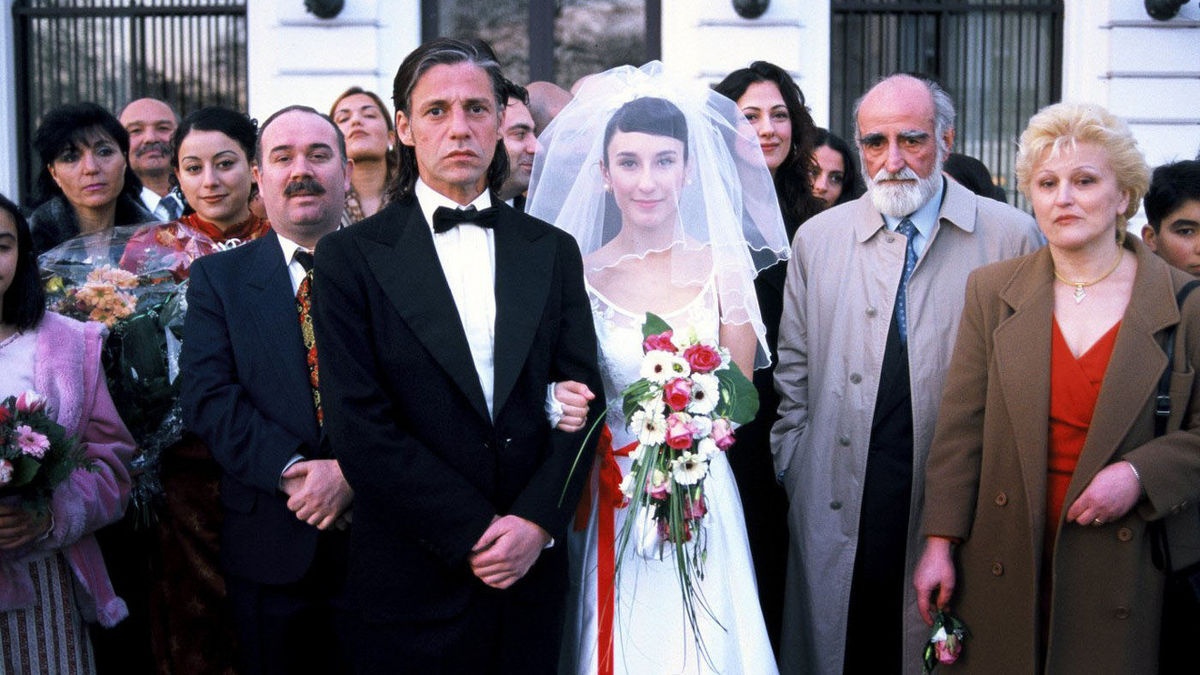
littlecellist.com – “Head-On” (Duvara Karşı) is a powerful German-Turkish film directed by Fatih Akin, released in 2004. This critically acclaimed film is known for its raw portrayal of love, identity, and the clash between traditional and modern values. Through its compelling narrative and intense performances, “Head-On” offers a gripping exploration of the complexities of human relationships and cultural identity.

Plot Overview

The film follows the tumultuous relationship between two Turkish immigrants in Germany: Cahit Tomruk and Sibel Güner. Cahit, a disillusioned man battling his own demons, meets Sibel, a spirited young woman desperate to escape her conservative family. In a bid for freedom, Sibel proposes a marriage of convenience to Cahit, allowing her to live a more liberated life. As they navigate their unusual arrangement, an unexpected and passionate love story unfolds, challenging both characters to confront their identities and past traumas.

Themes and Symbolism

“Head-On” delves deeply into themes of love, identity, and the struggle for self-acceptance. The film portrays the conflict between traditional cultural values and the desire for personal freedom, highlighting the challenges faced by immigrants straddling two worlds. Cahit and Sibel’s journey reflects the universal quest for belonging and the complexities of love as both a destructive and redemptive force.

The film’s title, “Head-On,” symbolizes the characters’ relentless pursuit of their desires and the headstrong nature of their actions. It also represents the collision of cultures and personal battles, as Cahit and Sibel confront societal expectations and their own inner turmoil.

Cinematic Style

Fatih Akin’s direction is marked by its gritty realism and emotional intensity. The film’s raw aesthetic, coupled with its dynamic cinematography, captures the chaotic and passionate essence of the story. The use of music, particularly the traditional Turkish soundtrack, enhances the emotional depth and cultural context of the film.

Reception and Impact

“Head-On” received widespread critical acclaim, winning the Golden Bear at the 2004 Berlin International Film Festival. The film’s unflinching portrayal of complex characters and its exploration of cultural identity resonated with audiences globally, earning it a place as a landmark in contemporary cinema. The performances of Birol Ünel and Sibel Kekilli were particularly lauded for their authenticity and emotional depth.

Conclusion

“Head-On” is a compelling film that tackles themes of love, identity, and cultural conflict with unflinching honesty. Through its intense narrative and powerful performances, the film offers a profound exploration of the human condition and the search for self-acceptance. Fatih Akin’s masterful direction ensures that “Head-On” remains a significant and influential work in the realm of international cinema.

Eternal Sunshine of the Spotless Mind: Memory and Love

littlecellist.com – “Eternal Sunshine of the Spotless Mind” is a critically acclaimed film that delves into the complexities of memory, love, and identity. Directed by Michel Gondry and written by Charlie Kaufman, the film was released in 2004 and has since become a cult classic. Its unique narrative structure and profound themes offer a thought-provoking experience for audiences.

Plot Overview

The film follows the story of Joel Barish, played by Jim Carrey, and Clementine Kruczynski, portrayed by Kate Winslet. After a tumultuous relationship, Clementine undergoes a procedure to erase all memories of Joel from her mind. Heartbroken upon discovering this, Joel decides to undergo the same procedure. However, as his memories of Clementine begin to fade, he realizes that he doesn’t want to forget her after all.

Themes and Analysis

Memory and Identity

One of the central themes of the film is the relationship between memory and identity. It poses the question: who are we without our memories? As Joel navigates through his disappearing memories, he grapples with the loss of his identity and the realization that his memories, even the painful ones, are integral to who he is.

Love and Imperfection

“Eternal Sunshine of the Spotless Mind” also explores the nature of love and the human tendency to idealize relationships. The film presents love as a complex and often flawed experience, emphasizing that imperfections are an intrinsic part of any relationship. Joel’s journey through his memories highlights the beauty in imperfection and the importance of acceptance in love.

Cinematic Techniques

The film is renowned for its innovative use of visual effects and narrative style. Michel Gondry employs practical effects, seamless editing, and a non-linear narrative to create a dreamlike quality that mirrors the fragmented nature of memory. This distinctive approach enhances the emotional impact of the story.

Reception and Legacy

Upon its release, “Eternal Sunshine of the Spotless Mind” received widespread critical acclaim. It won the Academy Award for Best Original Screenplay and was praised for its originality, performances, and emotional depth. The film’s exploration of universal themes has resonated with audiences, securing its place as a timeless piece of cinema.

Conclusion

“Eternal Sunshine of the Spotless Mind” remains a powerful exploration of the human condition, offering insights into the interplay between memory, love, and identity. Its inventive storytelling and profound themes continue to captivate viewers, making it a lasting testament to the complexities of human relationships.