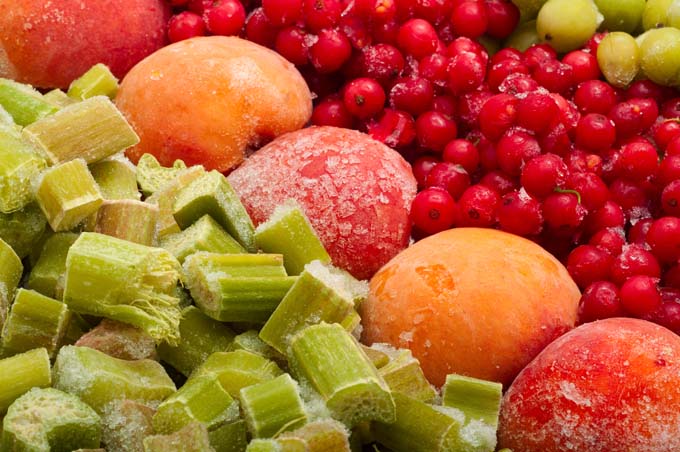
littlecellist.com – Uzvar is a beloved traditional Ukrainian beverage made by boiling dried fruits such as apples, pears, and plums in water. Known for its natural sweetness, rich flavor, and health benefits, Uzvar is often enjoyed as a refreshing drink during holidays, special occasions, and even as a comforting treat during the colder months. This drink has deep cultural significance in Ukraine, where it is considered a symbol of hospitality and the importance of using seasonal, local ingredients. Whether served chilled or warm, Uzvar is a drink that brings together the essence of Ukrainian homegrown fruits and the timeless practice of preserving fruits for the winter.
The Ingredients of Uzvar
The basic ingredients of Uzvar are simple yet full of natural flavor. While the exact combination of fruits can vary depending on personal preferences or regional traditions, the following are the most common fruits used to prepare this drink:
- Dried Apples: Apples are one of the most commonly used fruits in Uzvar. Their natural sweetness and tartness add depth and balance to the drink. Dried apples are often sliced or chopped and serve as the base of the beverage.
- Dried Pears: Pears add a soft, fragrant sweetness to the drink. Like apples, pears are dried to preserve them and provide a chewy, flavorful texture that infuses the Uzvar with natural sweetness.
- Dried Plums (Prunes): Dried plums, or prunes, are frequently used in Uzvar for their rich, slightly tangy taste. They also contribute to the drink’s smooth texture and are known for their digestive benefits.
- Dried Apricots: In some variations, dried apricots are included in Uzvar. These fruits add a slightly tart yet sweet flavor that complements the other dried fruits.
- Berries: Some regional versions of Uzvar may include dried berries, such as cherries or black currants, which provide a burst of tartness and a vivid color.
- Honey or Sugar: While Uzvar is naturally sweet due to the dried fruits, some recipes call for a little extra sweetness from honey or sugar, depending on personal taste. Honey, in particular, adds an extra layer of flavor and is a popular choice in many Ukrainian households.
- Spices: A few spices such as cinnamon, cloves, or ginger may be added to enhance the warmth and aroma of the drink, especially when served during the winter months.
The Preparation of Uzvar
Making Uzvar is simple and requires only a few basic steps. The drink can be enjoyed hot or cold, depending on the season and preference. Here is a step-by-step guide to preparing this traditional Ukrainian beverage:
- Soak the Dried Fruits: Begin by rinsing the dried fruits under cool water to remove any dust or impurities. Some people prefer to soak the dried fruits for a few hours or overnight to soften them before cooking.
- Boil the Fruits: In a large pot, add the dried fruits—apples, pears, plums, and any other fruits you wish to include. Cover the fruits with water and bring to a boil. Once boiling, reduce the heat and let the mixture simmer for about 30-45 minutes, depending on how soft and flavorful you want the fruits to be.
- Add Sweeteners and Spices: After the fruits have softened, you can add honey, sugar, or any other sweeteners to taste. If you prefer, you can also add spices such as cinnamon, cloves, or ginger to create a more aromatic, spiced version of Uzvar. Stir the mixture to ensure the sweeteners and spices are fully dissolved and evenly distributed.
- Let the Drink Infuse: Once the fruit mixture has simmered and the flavors have melded together, remove the pot from the heat and let it sit for a few hours to allow the flavors to infuse. This step can enhance the drink’s taste and aroma.
- Strain and Serve: Once the drink has cooled slightly, you can either strain the fruits out or leave them in for a more rustic, chunky texture. Uzvar can be served hot or cold, depending on the season. For a festive touch, it may be garnished with fresh mint or a sprinkle of cinnamon.
Variations of Uzvar
While the basic recipe for Uzvar involves boiling dried fruits, there are several regional variations and personal twists that give this drink unique flavors and styles:
- Warm Uzvar: In colder months, Uzvar is often served hot, providing warmth and comfort. The spices, such as cinnamon and cloves, are more prominent in the wintertime, making the drink feel like a cozy, festive treat.
- Cold Uzvar: In the summer, Uzvar can be served chilled, offering a refreshing alternative to other fruit juices or sodas. It can be poured over ice and garnished with fresh fruit for a vibrant, cooling drink.
- With Nuts: Some versions of Uzvar include chopped nuts, such as walnuts or hazelnuts, for added texture and richness. The nuts provide a nice contrast to the soft fruits and enhance the overall flavor of the drink.
- Fermented Uzvar: In certain regions, Uzvar is allowed to ferment slightly, resulting in a drink with a lightly fizzy, effervescent quality. This version is more akin to a homemade fruit soda and is often enjoyed as a special treat.
- With Other Fruits: While apples, pears, and plums are the most common fruits in Uzvar, other dried fruits such as figs, peaches, or raisins may also be used. These fruits can add different levels of sweetness or tartness to the drink.
Health Benefits of Uzvar
Uzvar is not only delicious but also offers several health benefits due to its natural ingredients:
- Rich in Nutrients: Dried fruits such as apples, pears, and prunes are packed with vitamins, minerals, and antioxidants. They are a good source of fiber, which can support digestive health.
- Hydration: Despite being a drink made from dried fruits, Uzvar is hydrating due to the water used in its preparation. It offers a natural, healthy way to stay hydrated while enjoying a flavorful beverage.
- Supports Digestion: Prunes, in particular, are known for their digestive benefits. They help regulate bowel movements and are often used as a natural remedy for constipation.
- Boosts Immunity: The vitamins and antioxidants found in dried fruits, along with the potential for added honey, can help boost the immune system, making Uzvar a beneficial drink, especially during the colder months.
- Low in Sugar: Since Uzvar is primarily sweetened by the natural sugars in the dried fruits, it is often lower in added sugars than other fruit-based beverages or sodas. This makes it a healthier option for those seeking a naturally sweet drink.
Cultural Significance of Uzvar
Uzvar has long been a part of Ukrainian culture, often associated with holiday meals and family gatherings. It is particularly popular during Christmas, New Year’s, and Easter, when large feasts are prepared, and people come together to celebrate. The tradition of making Uzvar dates back centuries, when preserving fruits by drying was an essential practice to ensure a steady food supply during the long, harsh winters.
In Ukraine, Uzvar is more than just a drink—it is a symbol of hospitality and the joy of sharing homegrown, homemade food with others. It is often served to guests as a welcoming gesture, and the drink’s natural sweetness and wholesome ingredients reflect the value placed on nurturing and nourishing loved ones.
Conclusion
Uzvar is a delicious and wholesome drink that offers a unique taste of Ukrainian tradition. Made from dried fruits, water, and a touch of sweetness, Uzvar is a versatile beverage that can be enjoyed hot or cold, depending on the season. Its natural flavors and health benefits make it a perfect addition to any meal or celebration, while its rich cultural significance ties it to centuries of Ukrainian history and hospitality. Whether served as a refreshing drink in summer or a cozy treat in winter, Uzvar is a timeless part of Ukrainian cuisine that continues to be cherished by families and communities today.