Pot Marigold: A Easy-to-Grow Flower for Your Garden

littlecellist.com – The Pot Marigold (Calendula officinalis), also known as the English Marigold or simply “Marigold,” is a vibrant and cheerful annual that brings a splash of color to gardens with its bright, daisy-like flowers. This hardy and easy-to-grow flower has been a favorite among gardeners for centuries, valued for its beautiful blooms, long flowering season, and low maintenance. Pot Marigolds are known for their ability to thrive in a variety of soil types and growing conditions, making them an excellent choice for both beginner and experienced gardeners. Their striking orange, yellow, and gold flowers add warmth and brightness to any landscape, making them a perfect addition to flower beds, borders, or even containers.

Physical Characteristics

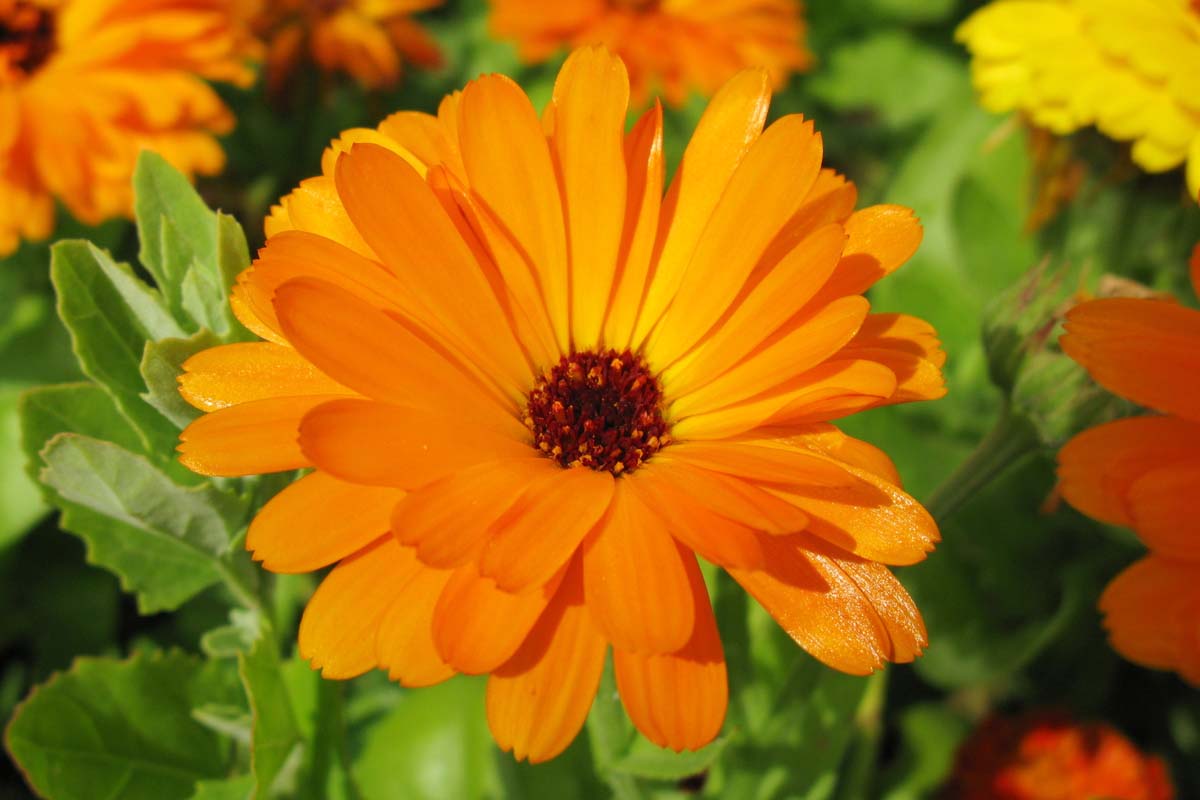
Pot Marigolds are typically bushy, herbaceous plants that grow between 12 to 18 inches (30 to 45 cm) tall, with some varieties reaching up to 2 feet (60 cm) in height. The plants have a compact, branching habit and produce numerous stems that support the flowers. The flowers themselves are large, daisy-like blooms, typically 2 to 3 inches (5 to 7.5 cm) across, and come in a variety of shades, including bright oranges, yellows, and golds. Some varieties also feature bi-colored or striped petals for added visual interest. Pot Marigolds bloom prolifically from early spring to late fall, providing a long-lasting burst of color throughout the growing season. The plant’s foliage consists of dark green, lance-shaped leaves that have a slightly sticky texture and a mild, aromatic scent.

Growing Conditions

Pot Marigolds are relatively easy to grow and thrive in full sun, although they can tolerate partial shade. They prefer well-drained, moderately fertile soil but are adaptable to a wide range of soil types, including slightly poor soil. While they are relatively drought-tolerant once established, regular watering during dry spells will help keep the plants healthy and encourage continuous blooming. Pot Marigolds are hardy in USDA zones 9 to 11, but they can be grown as annuals in colder climates or overwintered indoors in colder regions to grow again the following year.

These plants are typically grown from seeds, which can be directly sown into the soil in early spring after the danger of frost has passed or started indoors for an earlier bloom. They germinate quickly and can begin blooming in as little as 6 to 8 weeks after sowing. Regular deadheading (removing spent flowers) will encourage continuous blooming and help keep the plant looking tidy. Pot Marigolds are also known for attracting beneficial insects, such as bees and butterflies, which help pollinate other plants in the garden.

Uses in Gardening and Landscaping

Pot Marigolds are incredibly versatile in the garden. Their vibrant colors make them a perfect addition to flower beds, borders, and containers, where they can add a pop of warmth and brightness. These flowers are especially effective in creating cheerful, colorful displays when planted in groups or massed together. Pot Marigolds also work well as companion plants, as their strong scent can help repel certain pests like aphids, beetles, and whiteflies, making them an excellent choice for organic gardens.

In addition to their ornamental value, Pot Marigolds can be used as cut flowers in bouquets, offering vibrant, long-lasting blooms that brighten up any room. They are also a popular choice for edible gardens, as the petals are edible and can be used in salads, as garnishes, or to add color to cakes and desserts.

Health and Medicinal Benefits

Pot Marigold is well known for its medicinal properties, and parts of the plant, particularly the flowers, have been used in traditional medicine for centuries. Calendula has anti-inflammatory, antimicrobial, and soothing properties, making it useful for treating minor skin irritations, cuts, burns, and insect bites. Calendula ointments, creams, and oils are commonly used in skincare for their ability to promote healing and soothe irritated skin.

In addition to its topical uses, Pot Marigold has also been used in herbal teas to help with digestion, reduce menstrual cramps, and support the immune system. However, as with any herbal remedy, it is important to consult with a healthcare professional before using Pot Marigold for medicinal purposes, especially for those with allergies or sensitivities to plants in the Asteraceae family.

Ecological Importance

Pot Marigolds are an excellent addition to any garden focused on supporting pollinators. Their bright, nectar-rich flowers attract bees, butterflies, and other beneficial insects, making them an important part of a healthy garden ecosystem. Additionally, Pot Marigolds are sometimes used in companion planting to help repel harmful pests, such as aphids and nematodes, which can damage other plants. By incorporating Pot Marigolds into a garden, gardeners can help support local wildlife while enjoying the beauty and benefits of this cheerful, easy-to-grow flower.

Conclusion

The Pot Marigold is a vibrant and versatile flower that offers beauty, functionality, and ecological value to any garden. With its easy care, long blooming season, and ability to attract pollinators, it is an ideal choice for both beginner and experienced gardeners. Whether planted in flower beds, containers, or used as a companion plant to protect other crops, the Pot Marigold adds color and charm to any landscape. Additionally, its medicinal uses and edible petals make it a practical and beneficial plant to grow. With its cheerful blooms and numerous benefits, the Pot Marigold is sure to brighten up any garden and provide year-round interest.
Mexican Sunflower: A Beautiful Addition to Your Garden

littlecellist.com – The Mexican Sunflower (Tithonia rotundifolia) is a vibrant and striking annual flower that brings bold color and energy to any garden. Known for its large, sunflower-like blooms in shades of orange and red, the Mexican Sunflower is a favorite among gardeners who seek a plant that stands out with its stunning flowers, resilience, and ability to attract pollinators. This plant is not only admired for its beauty but also for its versatility in garden design, making it an excellent choice for borders, flower beds, and wildflower gardens.

Origins and Habitat

Native to Mexico and parts of Central America, the Mexican Sunflower thrives in sunny, warm climates. It is well-suited to USDA hardiness zones 10 through 11, where it can grow as a perennial. However, in cooler regions, it is typically grown as an annual. In its native habitat, it can be found in meadows, open fields, and along roadsides, where it flourishes in full sunlight and well-drained, moderately fertile soils.

The Mexican Sunflower is a heat-loving plant that is highly tolerant of drought once established, making it ideal for dry, low-water gardens or xeriscaping. Its ability to grow in a variety of soil types, including poor soils, adds to its appeal as a low-maintenance garden plant.

Characteristics and Varieties

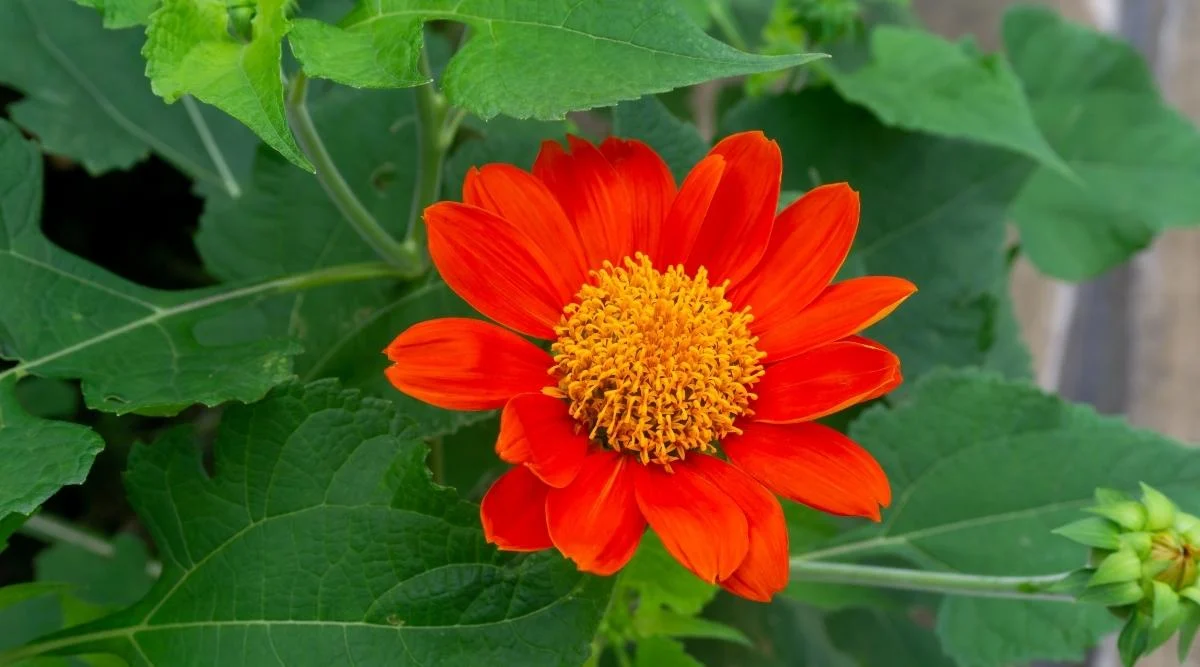
The Mexican Sunflower is a tall, bushy plant that typically reaches heights of 3 to 6 feet, depending on growing conditions. It has broad, rough-textured leaves that provide a bold backdrop for its striking flowers. The blooms are large, daisy-like, and come in various shades of orange, red, and yellow. The flowers can reach up to 4 inches in diameter and are often compared to small sunflowers due to their similar appearance and bright, cheery color.

The plant produces a profusion of flowers throughout the summer and fall, creating a dramatic and eye-catching display in the garden. Mexican Sunflowers are particularly popular for their long blooming period, which often extends from mid-summer to the first frost, providing a continual burst of color for months.

While orange is the most common flower color, there are also cultivars that produce red, yellow, or bi-colored blooms. Some notable varieties include:

  • ‘Torch’: Known for its fiery orange flowers, this variety is one of the most popular and produces a vibrant, intense display of color.
  • ‘Red Torch’: A variety with deep red flowers that add a rich, bold accent to the garden.
  • ‘Goldfinger’: A cultivar that produces yellow blooms with an orange center, offering a more subtle yet still striking color palette.

Growing Mexican Sunflower

Mexican Sunflowers are relatively easy to grow, and they thrive in full sun and well-drained soil. They prefer moderately fertile soil but are quite tolerant of poor soil conditions, as long as the soil is not too heavy or soggy. These flowers are ideal for hot, dry climates and require minimal care once established.

To grow Mexican Sunflower, you can start seeds indoors 6 to 8 weeks before the last expected frost date or sow them directly in the garden after the danger of frost has passed. Plant the seeds about 1/4 inch deep and thin the seedlings to about 18 to 24 inches apart to give them room to grow.

Mexican Sunflowers need consistent watering, especially when they are young or during dry spells, but they do not like to sit in waterlogged soil. Once established, they are drought-tolerant and can handle periods of dry weather, making them well-suited to low-maintenance and xeriscaping gardens.

Although Mexican Sunflowers are fairly low-maintenance, they will benefit from regular feeding during the growing season. A balanced, slow-release fertilizer can help encourage strong growth and abundant blooms. In areas with heavy rainfall or high humidity, it may be necessary to stake the plants to prevent them from becoming top-heavy and falling over, as their large flowers can weigh down the stems.

Deadheading spent flowers can prolong the blooming period, but the plant will continue to flower profusely even without this maintenance. In cooler climates, Mexican Sunflowers are often grown as annuals, but they may reseed themselves in the garden if conditions are favorable.

Wildlife and Pollinator Benefits

Mexican Sunflowers are not only a feast for the eyes but also a valuable resource for wildlife. The large, colorful blooms attract a variety of pollinators, including bees, butterflies, and hummingbirds. The bright orange and red flowers are particularly appealing to butterflies, and the plant is often used in butterfly gardens for this reason.

The nectar-rich flowers also make Mexican Sunflower an excellent choice for attracting hummingbirds, which are drawn to the vibrant colors and abundant nectar. Additionally, the plant’s seeds are enjoyed by birds, particularly in the fall and winter months, making it a year-round food source for local wildlife.

Symbolism and Significance

In the language of flowers, the Mexican Sunflower is often associated with joy, strength, and vitality due to its vibrant color and long-lasting blooms. It is a symbol of positivity and energy, making it a popular choice for brightening up gardens and outdoor spaces. The plant’s resilience and ability to thrive in harsh conditions also represent endurance and determination.

In some cultures, sunflowers and similar plants are seen as symbols of the sun, warmth, and abundance. As the Mexican Sunflower shares many of the same qualities, it is also considered a symbol of growth and renewal.

Mexican Sunflower in Garden Design

Mexican Sunflowers are perfect for adding bold color and structure to any garden design. Their tall, upright growth habit makes them an excellent choice for the back of flower beds or as part of a mixed border, where they can provide vertical interest and a vibrant focal point. They also work well in wildflower gardens, where they can help create a natural, informal look.

Their long blooming period, which can last until the first frost, makes Mexican Sunflowers ideal for extending the color in the garden through late summer and fall, when many other plants may begin to fade. The vibrant orange and red flowers create a stunning contrast when paired with other late-blooming flowers such as asters, zinnias, and coneflowers.

In addition to their use in flower beds, Mexican Sunflowers can be planted in containers on patios or balconies, where their striking blooms can be enjoyed up close. They also make great cut flowers, with their long stems and bright colors making them a popular choice for bouquets and arrangements.

Conclusion

The Mexican Sunflower is a bold and beautiful addition to any garden, offering vibrant color, resilience, and wildlife benefits. With its large, sunflower-like blooms in shades of orange, red, and yellow, it can bring a cheerful touch to flower beds, borders, and wildflower gardens. Easy to grow and highly adaptable, Mexican Sunflower is a fantastic choice for both novice and experienced gardeners looking to add a burst of color and energy to their outdoor spaces. Whether used in cutting gardens, pollinator gardens, or as a focal point in mixed plantings, the Mexican Sunflower provides beauty, vibrancy, and ecological value throughout the growing season.

Busy Lizzie: A Colorful and Low-Maintenance Flower

littlecellist.com – Busy Lizzie (Impatiens spp.) is one of the most popular flowering plants for both professional landscapers and amateur gardeners. Known for its vibrant colors and ease of care, this flower is a favorite in both shaded and sunny garden spaces. Whether used as a bedding plant, hanging basket filler, or in containers, Busy Lizzie’s abundance of colorful blooms and lush foliage makes it a delightful addition to any garden. Despite its delicate appearance, this plant is remarkably resilient and can brighten up almost any space with little effort.

Appearance and Characteristics

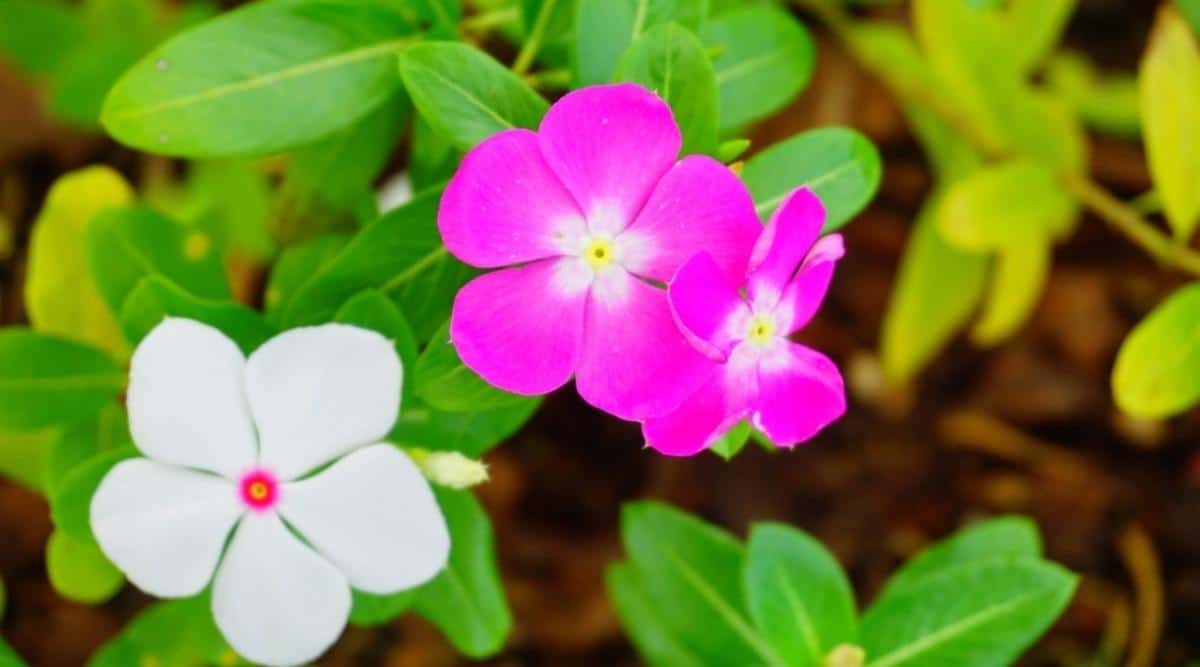
Busy Lizzie is an herbaceous annual or perennial (depending on the climate), typically growing between 6 inches to 3 feet (15 to 90 cm) in height. Its compact, bushy form is ideal for creating vibrant floral displays. The plant has broad, dark green leaves that provide a rich contrast to its bright, colorful flowers. The blooms of Busy Lizzie are one of its most distinctive features, appearing in a wide range of colors including red, pink, white, purple, lavender, and coral. The flowers have a unique, soft, and almost translucent quality, which is why they are often described as “impatient” in their bright, radiant beauty.

The flowers are typically small, with five petals that open up into a cup-like shape, often with a characteristic “lip” at the center. The plants produce an abundance of these flowers throughout the growing season, from spring until the first frost in cooler climates. The long blooming period ensures that your garden or container is constantly filled with color, and the plant will continue to flower even in areas with partial shade, where many other plants might struggle.

Growing Conditions and Care

Busy Lizzie is an adaptable plant that thrives in a variety of conditions, making it an excellent choice for a wide range of gardens. However, it does have some specific needs to ensure it thrives and produces its best flowers. The plant prefers well-drained, slightly acidic to neutral soil and can tolerate both clay and loamy soils. It is sensitive to waterlogged soil, so it’s essential to plant it in a spot with good drainage.

This flower prefers a shady location but can tolerate partial sun as well. Full sun may cause the plant to wilt, especially in hotter climates, so it is best to place Busy Lizzie in a location with filtered light or indirect sunlight. In shaded areas, the plant will still bloom profusely, although its growth may be more compact compared to those in sunnier spots.

Regular watering is key to keeping Busy Lizzie healthy. The plant prefers consistently moist soil but should not sit in standing water, which could lead to root rot. During the hottest months, frequent watering may be necessary to keep the plant hydrated, especially when grown in containers or hanging baskets. Adding mulch around the base of the plant can help retain moisture and protect the roots from drying out.

While Busy Lizzie doesn’t need excessive fertilization, it does benefit from regular feeding. A balanced, slow-release fertilizer applied during the growing season can promote continuous flowering. Alternatively, using a liquid fertilizer every two weeks can help provide the nutrients necessary for strong growth and abundant blooms. It’s also a good idea to deadhead the flowers regularly to encourage the production of new blooms and keep the plant looking neat.

Benefits and Uses

The versatility of Busy Lizzie makes it a go-to plant for various gardening applications. Its compact size and vibrant blooms make it perfect for bedding plants, borders, and containers. It is commonly used in hanging baskets, where its cascading blooms can create a dramatic, colorful display that adds dimension to patios, balconies, or porches.

Due to its shade tolerance, Busy Lizzie is ideal for planting in shaded areas of the garden where other flowers may struggle to grow. Whether planted in flower beds, containers, or window boxes, this flower can provide long-lasting color throughout the growing season, making it a great solution for areas that receive little to no direct sunlight.

In addition to its aesthetic appeal, Busy Lizzie is an excellent plant for attracting pollinators like bees and butterflies. These insects are drawn to the abundant flowers, helping to support biodiversity in the garden and ensuring that these essential pollinators thrive.

Because of its easy-care nature, Busy Lizzie is a great choice for beginner gardeners or those looking for low-maintenance flowers. With minimal attention and care, this plant will reward gardeners with a continuous, vibrant floral display that can last all season long.

Symbolism and Cultural Significance

Busy Lizzie, like many flowers, holds symbolic meanings in different cultures. Its bright, colorful blooms are often associated with positive emotions such as joy, happiness, and vitality. The plant’s ability to thrive in shaded areas also makes it a symbol of resilience and adaptability, representing the ability to flourish even in less-than-ideal conditions.

In some cultures, flowers like Busy Lizzie are believed to symbolize grace and elegance. With their soft, delicate blooms and vibrant hues, these flowers are often used in bouquets to convey feelings of affection and admiration. Whether used in the garden or as part of a floral arrangement, the symbolism of Busy Lizzie enhances its beauty and appeal.

Conclusion

Busy Lizzie is a beautiful, easy-to-care-for flowering plant that adds vibrant color to any garden, container, or hanging basket. With its wide range of flower colors, long blooming season, and adaptability to different lighting conditions, it is an excellent choice for gardeners of all experience levels. Whether you are looking to brighten up a shady corner, create a colorful border, or add dimension to a container garden, Busy Lizzie is a reliable and stunning addition to your outdoor space.

With its cheerful flowers, lush green foliage, and low-maintenance care, Busy Lizzie will continue to be a favorite choice for gardeners seeking vibrant, year-round color. Its ability to thrive in a range of conditions and attract pollinators only adds to its appeal, making it a valuable and beautiful addition to any landscape.

Bear Grass: A Graceful Native Beauty for Woodland Gardens

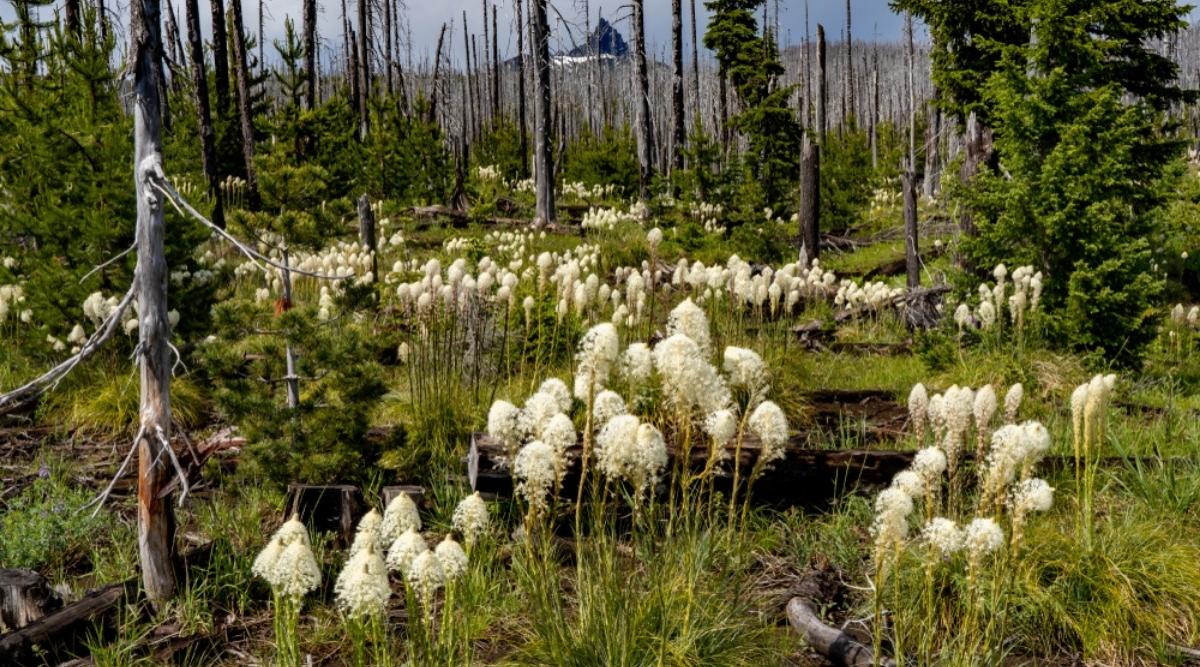
littlecellist.com – Bear Grass (Xerophyllum tenax) is a perennial plant native to the western regions of North America, known for its tall, elegant spiky flowers and its resilience in various garden settings. Often found in woodland environments and rocky foothills, Bear Grass adds a unique architectural element to gardens. Its long, narrow leaves and showy flower stalks make it an excellent choice for creating texture and vertical interest in both natural and cultivated landscapes. Despite its wild origins, Bear Grass is well-suited for ornamental garden use and provides a range of benefits, from its graceful blooms to its wildlife-friendly qualities.

Key Features of Bear Grass

  1. Distinctive Grass-Like Foliage: One of the most noticeable features of Bear Grass is its narrow, arching, grass-like leaves that form dense clumps at the base of the plant. The long, evergreen foliage adds texture and interest throughout the year, providing a beautiful contrast to other plants in the garden. The leaves have a fine, fibrous appearance and can grow up to 2 feet in length, making the plant ideal for creating a lush, grassy backdrop.
  2. Tall, Elegant Flower Stalks: Bear Grass is best known for its striking flower stalks that rise above the foliage. In late spring to early summer, the plant sends up tall, slender stems covered in clusters of creamy-white flowers. These flowers are small and star-shaped, arranged in loose, panicle-like clusters, giving the plant an airy, graceful appearance. The flower stalks can reach up to 3 feet in height, adding vertical interest to gardens and landscapes.
  3. Pollinator-Friendly: The flowers of Bear Grass attract a wide range of pollinators, including bees, butterflies, and moths. These pollinators are drawn to the plant’s nectar-rich blossoms, making Bear Grass a valuable addition to any wildlife-friendly garden. It also provides a habitat for various insects, adding to its ecological benefits.
  4. Drought Tolerance: Bear Grass is highly drought-tolerant once established, making it an excellent choice for xeriscaping or low-water gardens. While it prefers moist, well-drained soils, it can thrive in dry conditions once its roots are well-established. This resilience in dry environments makes it an ideal plant for areas with limited water resources.
  5. Native to Western North America: Native to the mountainous regions of North America, particularly the Pacific Northwest and parts of the Rocky Mountains, Bear Grass has adapted to a wide range of growing conditions. It is commonly found in meadows, woodland edges, and rocky slopes, where it thrives in well-drained soils with moderate to high elevations.

Growing and Caring for Bear Grass

  • Sunlight: Bear Grass prefers full sun to partial shade. In areas with hot summers, it benefits from some afternoon shade to protect it from the intense midday heat. In cooler climates, it can tolerate more sun exposure, but in hotter regions, it will perform best with some shade during the hottest part of the day.
  • Soil: Bear Grass grows best in well-drained, sandy or loamy soil, but it is adaptable to a variety of soil types. It prefers slightly acidic to neutral soil but can tolerate mildly alkaline conditions. The plant is often found in natural habitats with rocky, well-drained soils, and it thrives in environments that mimic these conditions.
  • Watering: While Bear Grass is drought-tolerant once established, it does best with moderate watering during the growing season. Keep the soil consistently moist but not waterlogged during the plant’s early stages of growth. Once the plant is established, it can tolerate dry spells and does not require frequent watering.
  • Temperature: Bear Grass is hardy in USDA zones 4-9, meaning it can tolerate a range of temperatures. It is particularly suited for cooler climates, where it can withstand winter frost and still thrive in spring. The plant can also adapt to hotter regions, provided it is given some afternoon shade to protect it from heat stress.
  • Fertilization: Bear Grass does not require heavy fertilization. In fact, it thrives in nutrient-poor soils, making it an excellent choice for low-maintenance gardens. A light application of balanced fertilizer in early spring can help promote healthy growth, but excessive fertilization should be avoided, as it can lead to weak growth and fewer flowers.
  • Pruning: Bear Grass is relatively low-maintenance and does not require much pruning. However, removing spent flower stalks after blooming can help keep the plant tidy and encourage a neat appearance. The evergreen foliage may need to be trimmed back in early spring before new growth begins to make way for fresh leaves.

Popular Uses of Bear Grass

  1. Wildlife Gardens: Due to its pollinator-friendly flowers, Bear Grass is an excellent choice for creating a habitat for bees, butterflies, and other pollinators. Planting Bear Grass in a wildlife garden can help support local ecosystems and provide important food sources for beneficial insects.
  2. Rock Gardens: Bear Grass thrives in rocky, well-drained soils, making it a perfect addition to rock gardens. Its tall, elegant flower stalks rise above the foliage, creating a striking vertical element that complements the more compact plants in a rock garden.
  3. Woodland Gardens: Given its native habitat in forested areas, Bear Grass works well in shaded woodland gardens, especially where the soil is well-drained and slightly acidic. It provides a lush, grassy appearance and adds height and texture to the landscape.
  4. Native Plant Gardens: As a native plant, Bear Grass is well-suited for planting in native plant gardens or natural landscapes. It is adaptable to a wide range of growing conditions and requires minimal care once established. Its natural resilience and ecological value make it an excellent addition to any native plant garden.
  5. Container Gardens: Bear Grass can also be grown in containers, where its elegant form and tall flower stalks can add height and interest to patios, balconies, or small garden spaces. Be sure to provide well-drained soil and ensure that the container is large enough to accommodate the plant’s spreading habit.

Companion Plants for Bear Grass

Bear Grass pairs well with a variety of plants that share similar growing conditions. Some good companion plants include:

  • Columbine (Aquilegia): The delicate, bell-shaped flowers of columbine provide a beautiful contrast to the tall, spiky blooms of Bear Grass, creating a lovely combination of shapes and textures.
  • Lupine: The tall, upright spikes of lupine complement the graceful flower stalks of Bear Grass, adding a vibrant burst of color to the garden.
  • Penstemon: With its tubular flowers and upright growth habit, penstemon pairs beautifully with Bear Grass, adding both vertical height and color contrast.
  • Echinacea (Coneflower): The daisy-like flowers of echinacea work well with Bear Grass, offering a complementary color scheme and creating a natural, meadow-like atmosphere in the garden.

Conclusion

Bear Grass is a unique and graceful perennial that adds elegance and texture to gardens with its tall, spiky flowers and narrow, evergreen foliage. Native to the western United States, this drought-tolerant plant thrives in rocky, well-drained soils and attracts a wide range of pollinators. Whether used in wildlife gardens, rock gardens, or woodland settings, Bear Grass is a versatile and low-maintenance choice that provides year-round interest. Its adaptability to various growing conditions and its striking blooms make it an excellent addition to any garden looking to incorporate native plants and add vertical interest.