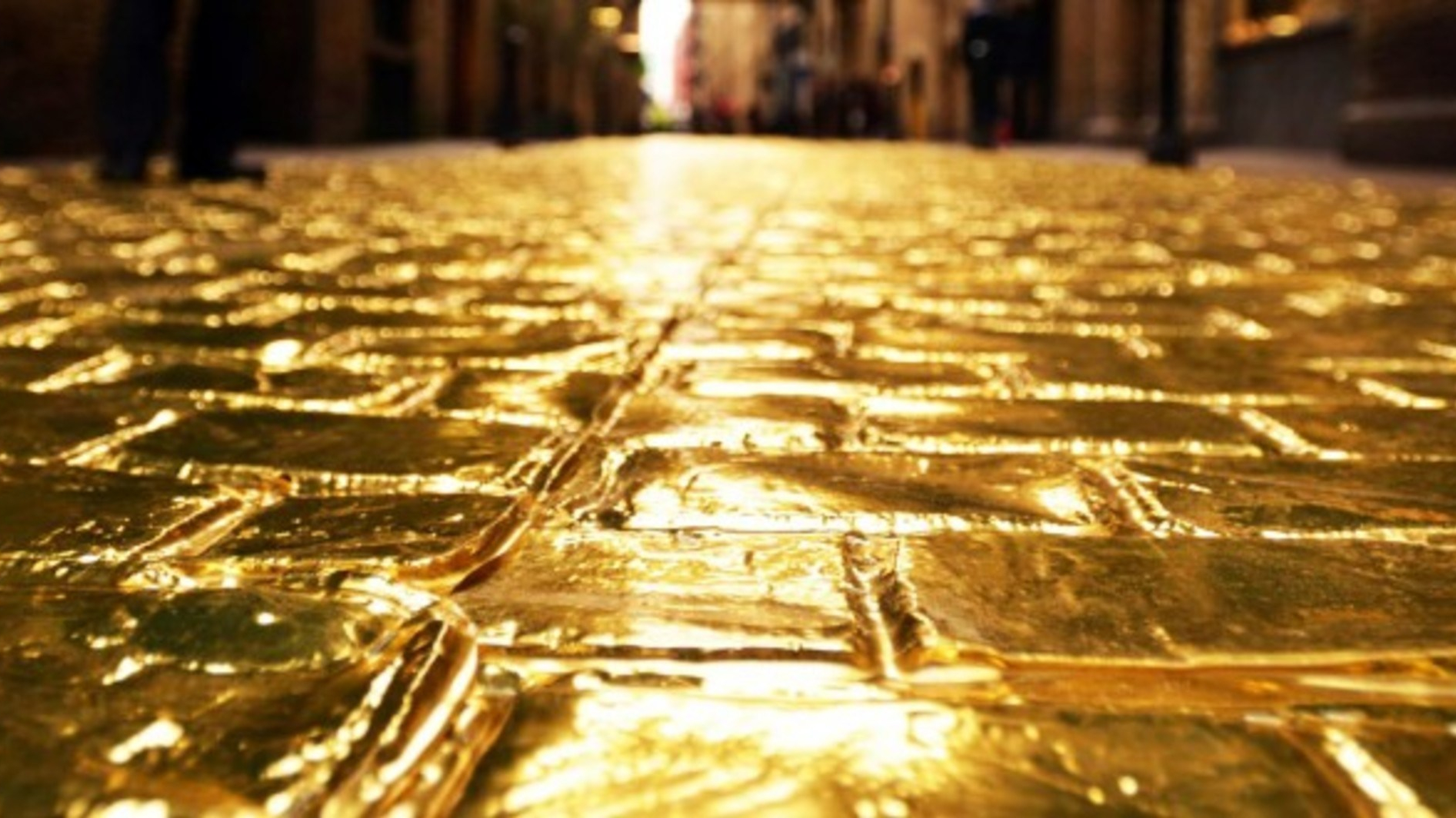
Pathways of Gold: Heaven’s Streets

littlecellist.com – In the realm of religious and spiritual imagery, few concepts are as captivating as the streets of heaven paved with gold. This vision of the afterlife, where the righteous are rewarded with eternal bliss, is a powerful symbol of divine perfection and human aspiration. The idea of “Heaven’s Streets: Pathways of Gold” encapsulates the ultimate promise of many faiths—a place where suffering is no more, and beauty and wealth are everlasting.

The Symbolism of Gold in Heaven

Gold, a precious metal revered for its luster and rarity, has long been associated with the divine. In the context of heaven, it symbolizes not just material wealth but also purity, incorruptibility, and the highest form of spiritual value. The streets of gold represent a path that is both literal and metaphorical—a journey through the afterlife that is rich in meaning and splendor.

Biblical References to Heaven’s Streets

The most famous biblical reference to the streets of heaven is found in the Book of Revelation, where John describes the New Jerusalem as having streets made of pure gold, clear as crystal (Revelation 21:21). This imagery is not just a depiction of physical grandeur but also a testament to the spiritual riches that await the faithful.

Interpretations Across Different Faiths

While the concept of heaven’s streets paved with gold is most commonly associated with Christianity, similar ideas of celestial opulence can be found in other religious traditions. In Islam, for instance, the Prophet Muhammad described paradise as having streets of gold and silver. In Hinduism, the abode of the gods is often depicted as a place of unimaginable wealth and beauty.

The Role of Imagery in Spiritual Belief

The imagery of heaven’s streets serves an important purpose in spiritual belief systems. It provides a tangible representation of the intangible—a way to visualize the abstract concepts of heaven and the afterlife. This imagery helps believers to aspire to a higher state of being and to understand the rewards that await them.

Conclusion

“Heaven’s Streets: Pathways of Gold” is more than just a description of a physical place; it is a symbol of the ultimate destination for the soul. It represents the culmination of human longing for perfection, peace, and eternal happiness. Whether taken literally or metaphorically, the image of golden streets in heaven speaks to the deepest desires of the human heart and the promise of a life beyond this world.
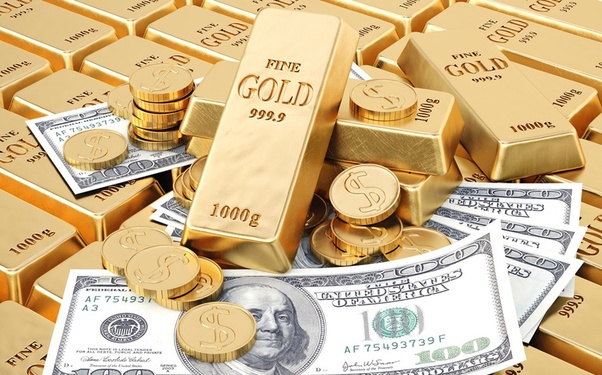
Gold: The Universal Currency and Historical Significance of Gold

littlecellist.com – Gold has been a symbol of wealth and power for millennia. Its unique properties have made it a favorite among civilizations, serving as a medium of exchange, a store of value, and a status symbol. Despite the advent of fiat currencies and digital transactions, gold remains a cornerstone of the global financial system, often referred to as the “universal currency.”

The Historical Significance of Gold

Ancient Times

The allure of gold dates back to ancient civilizations. Egyptians used it to craft jewelry and artifacts as early as 3,000 BC. The Romans standardized gold coins (aureus) as currency, facilitating trade across their vast empire. Gold’s malleability, rarity, and resistance to corrosion made it an ideal material for currency and adornment.

Middle Ages to Modern Era

Throughout the Middle Ages, gold coins continued to be a primary form of currency in Europe. The discovery of the New World and the subsequent gold rushes in the Americas and Australia further cemented gold’s role in the global economy. The gold standard, a monetary system where a country’s currency value is directly linked to gold, was widely adopted in the 19th and early 20th centuries.

Gold as a Store of Value

Inflation Hedge

One of the key reasons gold is considered a universal currency is its ability to retain value over time. Unlike paper currencies, which can be subject to inflation and devaluation, gold has historically maintained its purchasing power. This makes it an attractive asset for investors looking to protect their wealth from economic uncertainties.

Portfolio Diversification

Gold’s low correlation with other asset classes makes it an excellent tool for portfolio diversification. During times of market volatility, gold often acts as a safe haven, providing stability and reducing overall portfolio risk.

The Role of Gold in Today’s Economy

Central Banks and Gold Reserves

Central banks around the world hold significant amounts of gold in their reserves. These reserves are used to back a portion of a country’s currency and to conduct international transactions. The value of gold reserves can influence a nation’s economic stability and international standing.

Gold and the Forex Market

Gold plays a crucial role in the foreign exchange market. Its price is often inversely correlated with the strength of the US dollar. As the world’s primary reserve currency, changes in the dollar’s value can affect gold prices and vice versa, impacting global trade and investment.

The Future of Gold

Digital Gold and Blockchain

The rise of digital currencies and blockchain technology has introduced new ways to invest in gold. Digital gold platforms allow investors to buy, sell, and store gold electronically, offering convenience and accessibility. Blockchain technology also provides a secure and transparent way to track gold ownership and transactions.

Sustainable Gold Mining

As environmental concerns grow, the gold industry is facing pressure to adopt sustainable mining practices. Responsible gold mining can ensure the long-term viability of gold as a resource and maintain its status as a universal currency.

Conclusion

Gold’s enduring appeal as a universal currency lies in its unique combination of beauty, rarity, and utility. Despite the evolving financial landscape, gold continues to play a pivotal role in the global economy. Whether as a physical asset, a digital investment, or a strategic reserve, gold remains a symbol of enduring value and a cornerstone of financial stability.