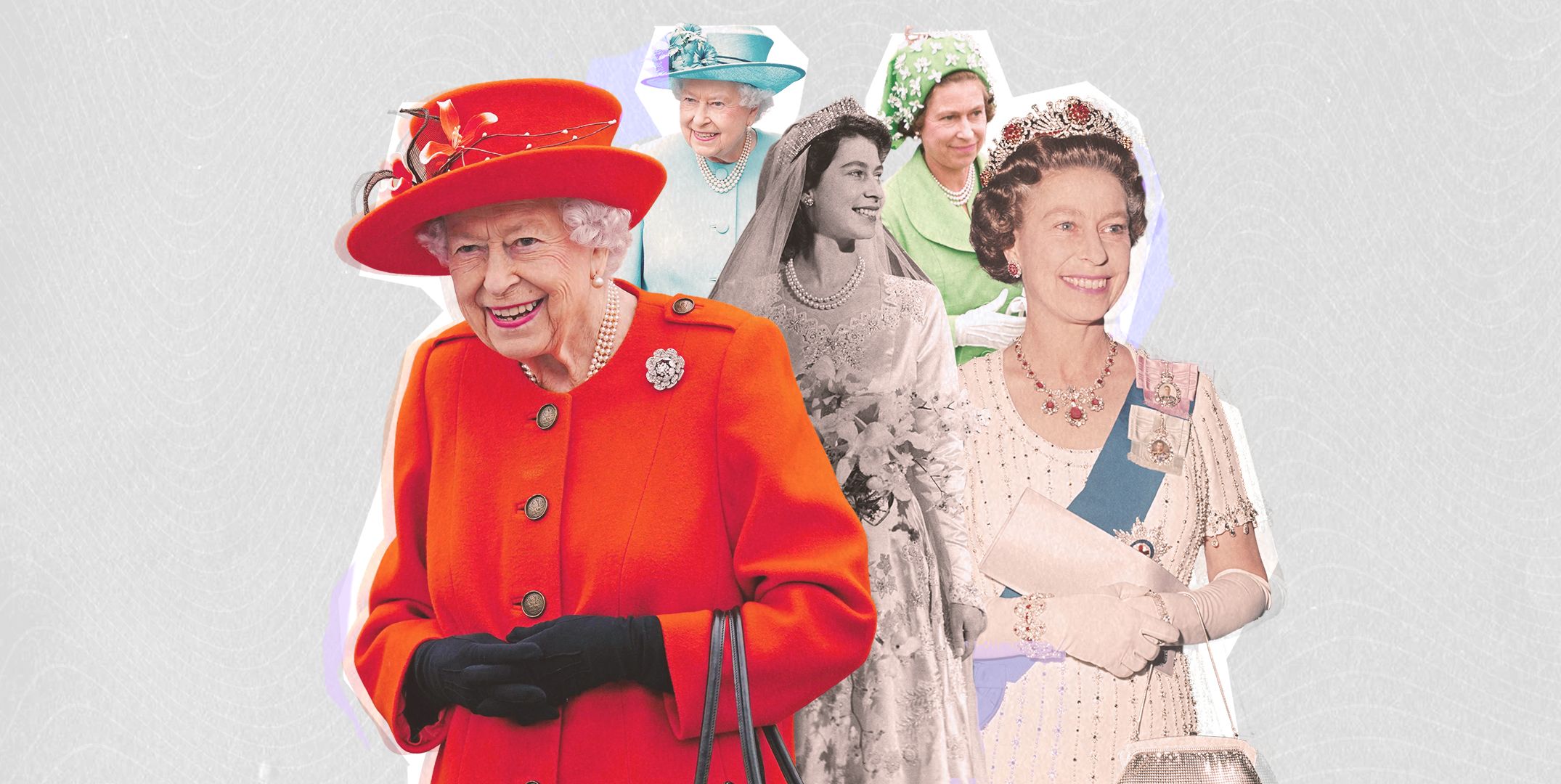
Queen Elizabeth II: A Life of Service & Legacy of Stability

littlecellist.com – Queen Elizabeth II, born on April 21, 1926, ascended to the throne of the United Kingdom and the other Commonwealth realms on February 6, 1952, following the death of her father, King George VI. Her reign, which lasted until her death on September 8, 2022, was marked by a profound sense of duty, a commitment to stability, and an unwavering presence through decades of change. This article explores the life of Queen Elizabeth II, her contributions to the monarchy, and her enduring legacy.

Early Life and Accession

Elizabeth Alexandra Mary was the first child of the Duke and Duchess of York, who later became King George VI and Queen Elizabeth. Her life changed dramatically in 1936 when her uncle, Edward VIII, abdicated, and her father unexpectedly became king. Elizabeth was then heir presumptive and began her preparation for the role she would eventually inherit.

Coronation and Early Reign

Queen Elizabeth II’s coronation took place on June 2, 1953, in Westminster Abbey. It was a grand ceremony that was also broadcast on television, marking a historic moment for the monarchy and the nation. Her early reign was characterized by post-war recovery and the beginning of the decolonization process, which saw many Commonwealth countries gain independence.

A Life of Service

Throughout her reign, Queen Elizabeth II was dedicated to her role as head of state. She undertook numerous official duties, including state visits, public engagements, and the opening of Parliament. Her sense of duty was evident in her 1947 wedding speech, where she declared her intention to “dedicate [her] life, whether it be long or short, to [her] country and [her] people.”

The Commonwealth and International Relations

Queen Elizabeth II played a significant role in the development of the Commonwealth of Nations, a voluntary association of mostly former British colonies. She was its head from 1952 until her death and used her position to foster international relations and promote peace and cooperation among its members.

Family and Personal Life

The Queen’s personal life was also a subject of public interest. She married Prince Philip, Duke of Edinburgh, in 1947, and they had four children: Charles, Anne, Andrew, and Edward. Despite the challenges faced by the royal family, including scandals and public scrutiny, Queen Elizabeth II maintained a dignified and private demeanor.

Legacy

Queen Elizabeth II’s legacy is one of stability and continuity. She witnessed and navigated through numerous global and national changes, from the end of the British Empire to the digital age, all while maintaining the relevance and respect of the monarchy. Her death marked the end of an era, leaving a void that will be felt not only in the United Kingdom but also across the Commonwealth and the world.

Conclusion

Queen Elizabeth II’s reign of over 70 years was a testament to her dedication, resilience, and adaptability. She was a constant presence in the lives of many generations, embodying the values of service, duty, and tradition. As the world mourned her passing, it also celebrated a life well-lived and a legacy that will continue to inspire for generations to come.

Animals in the Service of the Crown: The Royal Menagerie

littlecellist.com – Throughout history, the British monarchy has been associated with a variety of symbols, from the crown jewels to the royal standard. Among these, the Royal Menagerie stands out as a fascinating chapter in the relationship between the Crown and the animal kingdom. This collection of exotic and majestic creatures was not merely a display of wealth and power but also a testament to the empire’s reach and the monarchs’ desire to connect with the natural world in a unique way.

The origins of the Royal Menagerie can be traced back to the medieval period, when kings and queens would receive exotic animals as gifts from foreign dignitaries. These animals, often from distant lands unknown to the European populace, were symbols of the ruler’s influence and the empire’s vastness. The Tower of London, a fortress with a long and storied history, became the site of the first official Royal Menagerie in the 13th century. It was here that animals such as lions, leopards, and even polar bears were housed, drawing crowds from across the kingdom eager to catch a glimpse of these foreign wonders.

The menagerie was not just a spectacle; it also served a diplomatic purpose. The exchange of exotic animals was a common practice among royal families, and the ability to maintain and display these creatures was a mark of prestige. The animals were often seen as living trophies, representing the submission of distant lands to the Crown. For instance, the arrival of an elephant or a giraffe could signify the establishment of new trade routes or the success of a military campaign.

The menagerie also played a role in the cultural and scientific life of the kingdom. Scholars and naturalists would visit to study these exotic species, contributing to the growing body of knowledge about the animal kingdom. The menagerie thus became a site of learning and curiosity, blending the royal love for pageantry with the pursuit of scientific understanding.

However, the treatment of animals in the menagerie was not without controversy. The conditions in which these creatures were kept often left much to be desired, and the welfare of the animals was frequently overlooked in the quest for royal spectacle. It was not until the 18th and 19th centuries, with the rise of public zoos and a growing awareness of animal rights, that the conditions in the Royal Menagerie began to improve.

The Royal Menagerie at the Tower of London was eventually closed in the early 19th century, but the legacy of the royal collection of animals lived on. The establishment of the London Zoo in 1828, with the royal family’s support, marked a new era in the Crown’s relationship with the animal kingdom. The zoo was intended to be both an educational institution and a place for the preservation of species, reflecting a shift in attitudes towards wildlife conservation and animal welfare.

Today, the British monarchy continues to be associated with animals, albeit in a different capacity. The Queen is known for her love of horses and corgis, and the royal family supports various conservation efforts around the world. The legacy of the Royal Menagerie, with its blend of power, curiosity, and controversy, remains a fascinating chapter in the history of the British monarchy and its enduring fascination with the natural world.