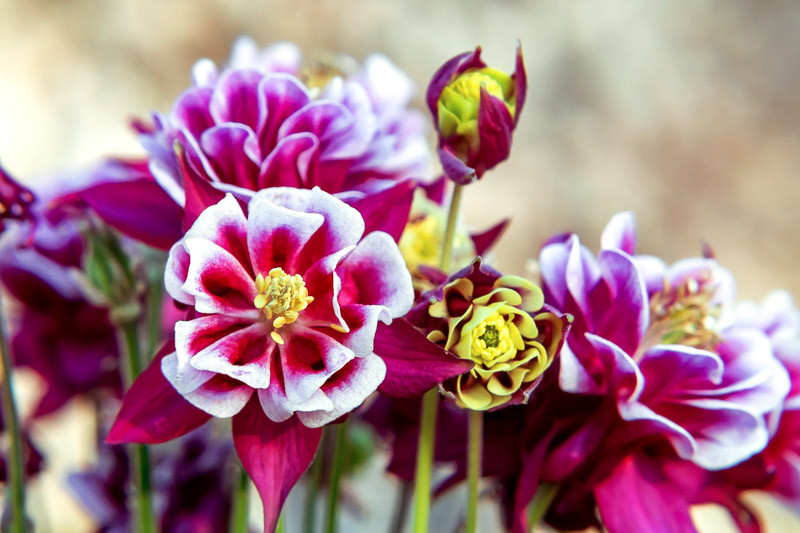
Winky Double Red-White Flower: A Vibrant Hybrid Beauty

littlecellist.com – The Winky Double Red-White flower is a captivating hybrid variety of the Impatiens genus, specifically known for its striking two-tone color pattern. As part of the larger Impatiens family, these flowers have gained popularity for their vibrant hues, easy care, and versatility in various landscaping and gardening projects. The Winky Double Red-White flower stands out due to its unique bicolor petals, which create a dramatic contrast between deep red and pure white shades. This flower’s combination of color, beauty, and resilience makes it a favored choice for both novice and experienced gardeners.

Appearance and Characteristics

The Winky Double Red-White flower is a compact and bushy plant that produces lush, double-bloomed flowers with an eye-catching red and white coloration. Each blossom features a vibrant red center with crisp white edges, creating a bold and striking appearance. The petals are soft and velvety, with the double blooms giving them a fuller, more textured look compared to single-flowered varieties.

This variety of Impatiens typically grows to a height of around 12 to 18 inches (30 to 45 cm) and has a spreading habit, making it an excellent choice for borders, hanging baskets, and containers. The foliage is glossy, dark green, and complements the brilliant colors of the flowers. The plant blooms profusely, with flowers appearing from late spring through the summer, providing a long-lasting splash of color.

Growing and Caring for Winky Double Red-White Flower

The Winky Double Red-White flower is relatively easy to grow and care for, making it a great option for gardeners looking to add vibrant color to their landscapes with minimal effort. Here are some tips for ensuring this beautiful hybrid thrives:

  1. Light Requirements: Winky Double Red-White flowers prefer partial to full shade. While they can tolerate some sunlight, they perform best in areas with filtered light or light shade, especially in hotter climates where too much direct sun can cause the flowers to wilt or lose their vibrant color.
  2. Soil: These flowers thrive in well-draining, fertile soil. They prefer slightly acidic to neutral soil pH. To achieve the best results, use a rich, organic planting mix or amend the soil with compost to ensure good drainage and moisture retention. Avoid overly dry or compacted soils, as these can hinder the plant’s growth and bloom development.
  3. Watering: Winky Double Red-White flowers need consistently moist soil, but it’s crucial not to overwater them. Water the plants deeply, allowing the soil to dry slightly between watering sessions. It’s important to ensure good drainage in containers to prevent waterlogging, as this can lead to root rot.
  4. Temperature and Humidity: The Winky Double Red-White flower thrives in moderate temperatures and high humidity. Ideal growing temperatures range from 60°F to 75°F (16°C to 24°C), although the plant can tolerate slightly warmer or cooler conditions as long as they are not extreme. To promote healthy growth and vibrant blooms, provide a humid environment or water the plant consistently during dry spells.
  5. Fertilization: To encourage lush, healthy growth and abundant blooms, use a balanced, water-soluble fertilizer every two to three weeks during the growing season. Avoid over-fertilizing, as excessive nutrients can lead to lush foliage growth at the expense of flowers.
  6. Pruning: Regular deadheading (removal of spent flowers) will help extend the blooming period and encourage new flowers to develop. You can also prune back any leggy or overgrown stems to maintain the plant’s shape and prevent it from becoming too tall or sparse.

Uses in Landscaping and Garden Design

The Winky Double Red-White flower is a versatile addition to a variety of garden settings. Its striking appearance makes it a perfect choice for:

  • Hanging Baskets: The compact, spreading nature of the plant makes it ideal for hanging baskets or containers. The double blooms create a stunning display when suspended from patios, porches, or balconies.
  • Flower Beds and Borders: When planted in flower beds or along borders, the Winky Double Red-White flower adds a burst of color that contrasts beautifully with other plants. Its relatively low height makes it suitable for planting in the front or middle of beds.
  • Window Boxes: These flowers can also be grown in window boxes to create an attractive window display. The combination of red and white blooms adds a cheerful touch to exterior walls and window sills.
  • Shade Gardens: Since the Winky Double Red-White flower thrives in partial to full shade, it’s an excellent choice for gardens with limited sunlight. It can add color to areas that are difficult to plant with other sun-loving flowers.

Pollination and Wildlife

While the Winky Double Red-White flower is primarily grown for ornamental purposes, it also plays an important role in attracting pollinators to the garden. Bees, butterflies, and hummingbirds are drawn to the bright colors of the flowers, helping to pollinate them. This can be especially beneficial for creating a healthy, biodiverse garden ecosystem.

In addition to attracting pollinators, the plant’s lush foliage provides shelter for small insects and can contribute to a thriving garden environment.

Pests and Problems

While the Winky Double Red-White flower is generally hardy, it can be susceptible to certain pests and diseases:

  1. Aphids: Aphids can sometimes infest the plant, particularly on new growth. If noticed, aphids can be controlled by spraying the plant with insecticidal soap or a strong stream of water to dislodge them.
  2. Downy Mildew: In humid environments with poor air circulation, downy mildew can affect the plant. To prevent this, ensure proper spacing between plants and avoid overhead watering. If mildew appears, remove affected foliage and treat with a fungicide.
  3. Root Rot: Overwatering or poorly-drained soil can lead to root rot. To avoid this, ensure that the plant is not sitting in water and that the soil drains well.
  4. Slugs and Snails: These pests may feed on the flowers and leaves, causing damage. Use slug traps or natural deterrents like diatomaceous earth around the base of the plant to reduce the risk of slug damage.

Conclusion

The Winky Double Red-White flower is a stunning hybrid that offers gardeners a bold, vibrant display of color and easy-to-manage care requirements. Its striking red and white petals make it a standout in any garden, and its versatility in both container and landscape planting allows it to be used in a variety of settings. Whether you’re looking to add a splash of color to shaded areas or create an eye-catching hanging basket, the Winky Double Red-White flower is a wonderful addition to any garden. Its beauty, resilience, and ability to attract pollinators further enhance its appeal, making it a delightful flower for garden enthusiasts of all levels.
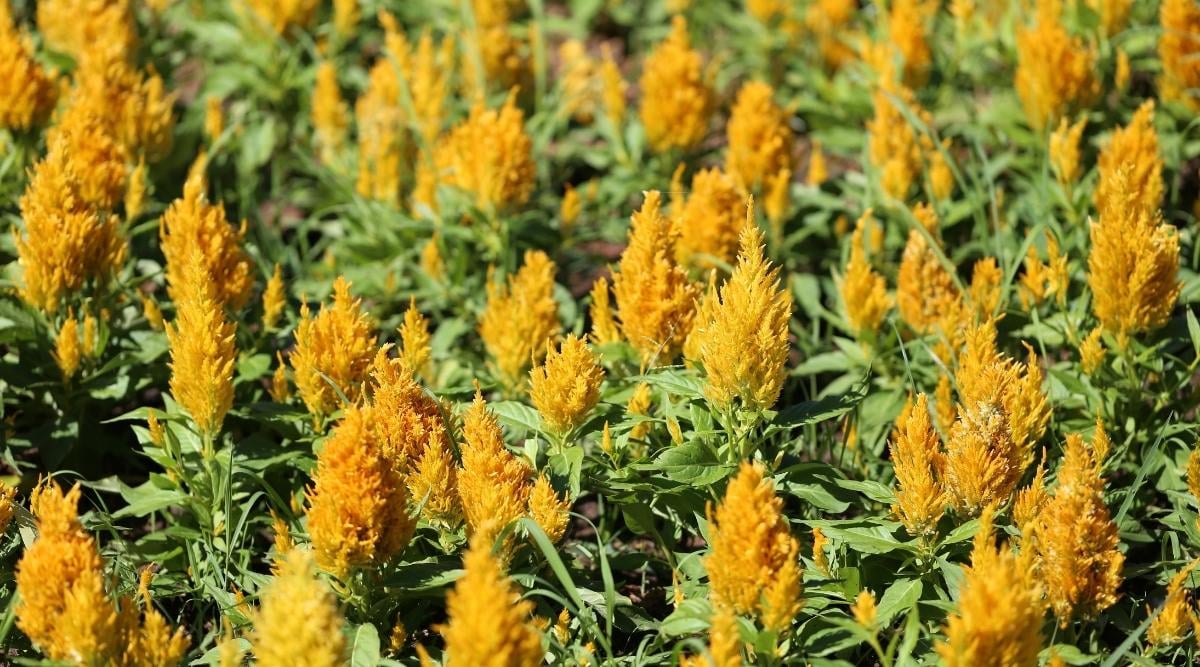
Cockscomb Flower: Striking Beauty of Curled, Velvety Blooms

littlecellist.com – The Cockscomb Flower (Celosia argentea var. cristata), also known as brain coral flower or woolflower, is a unique and vibrant annual that stands out with its sculptural, velvety blooms resembling the comb of a rooster, hence its name. Known for its bold and dramatic appearance, the cockscomb flower is a favorite in gardens and floral arrangements, bringing a pop of color and texture. With its fascinating shape, vivid hues, and ability to thrive in a variety of growing conditions, cockscomb is a captivating addition to any garden.

Botanical Description

Cockscomb flowers belong to the Amaranthaceae family and are typically grown as annuals. The plant’s most distinctive feature is its crested, curled blooms, which can resemble a rooster’s comb, brain coral, or a velvet plume. These flowers grow in dense clusters, with the petals being soft and velvety to the touch. Cockscomb comes in a variety of colors, including shades of red, pink, orange, yellow, and purple. Some varieties have bi-colored blooms, which add even more visual interest.

The plant itself is an upright, bushy annual that typically reaches a height of 12 to 30 inches, with some varieties growing even taller. The green foliage of the cockscomb is lance-shaped and provides a perfect contrast to the vibrant, textured flowers. The blooms appear throughout the summer, with peak bloom occurring in late summer to fall. Once the flowers fade, they are replaced by small, inconspicuous seeds that can be collected for future planting.

Habitat and Growth Conditions

Cockscomb flowers thrive in USDA hardiness zones 10 to 11, though they are often grown as annuals in cooler climates. They prefer full sun and well-drained, slightly acidic to neutral soil. The plant can tolerate a range of soil types, but it does best in fertile, loamy soils that provide good drainage. Cockscomb flowers are fairly drought-tolerant once established, but regular watering helps promote lush foliage and abundant blooms.

This plant is ideal for hot, sunny locations, making it a great choice for summer gardens, border plantings, and container gardens. Cockscomb does not like frost, so it is typically planted after the danger of frost has passed in spring. It is important to choose a planting site that provides adequate sunlight, as lack of sun can result in poor flowering and leggy growth.

Cultivation and Care

Cockscomb is a relatively low-maintenance plant that can be easily grown from seeds or seedlings. Once planted, the plant requires minimal care. However, providing the right conditions will help ensure a healthy, thriving plant. Here are some key tips for cultivating and caring for cockscomb:

  1. Planting: Cockscomb can be grown from seeds sown directly into the garden or started indoors 6-8 weeks before the last frost date. When planting outdoors, space the plants about 10 to 12 inches apart to allow for their spreading growth. For container gardening, ensure that the pot has good drainage to prevent root rot.
  2. Watering: Regular watering is essential during the early growth stages, but once established, cockscomb is fairly drought-tolerant. Water deeply at the base of the plant to encourage deep root growth, and allow the soil to dry out between waterings. Avoid over-watering, as the plant prefers slightly dry conditions once established.
  3. Fertilizing: Fertilizing cockscomb is not strictly necessary, but it can encourage stronger blooms and healthier growth. Apply a balanced, slow-release fertilizer in the spring or use a liquid fertilizer every 4 to 6 weeks during the growing season. Over-fertilizing can lead to excessive foliage growth at the expense of flowers, so it is important to follow recommended guidelines.
  4. Deadheading: To encourage continuous blooming, deadhead the spent flowers by removing the faded blooms. This helps to redirect the plant’s energy into producing new flowers rather than seeds.
  5. Pruning: Cockscomb does not require extensive pruning, but removing any damaged or spent flowers can help maintain its appearance and promote new growth. Cutting back the plant after blooming has finished can encourage the growth of fresh shoots.
  6. Pest and Disease Control: Cockscomb is generally pest-resistant but can occasionally suffer from aphids, spider mites, or powdery mildew. If pests or diseases are detected, treat the plant with insecticidal soap or fungicide as needed. Good air circulation and proper spacing between plants help prevent many fungal issues.

Symbolism and Cultural Significance

The cockscomb flower has a rich cultural significance in various parts of the world. In many cultures, it is associated with strength and vitality, due to its bold, vibrant appearance and unique form. The flower’s resemblance to a rooster’s comb also gives it symbolic ties to courage and bravery.

In Chinese culture, the cockscomb is often used in decorative arts and is regarded as a symbol of longevity and prosperity. It is also associated with the celebration of new beginnings, and the bright colors of the flower are said to bring good luck and positive energy.

In European cultures, particularly in medieval times, cockscomb flowers were used as ornamental plants in gardens, often as a symbol of fidelity and loyalty, making them a popular choice in wedding arrangements and celebrations of enduring love.

Ecological Benefits

Cockscomb flowers not only add color and texture to the garden but also provide important ecological benefits. The plant’s vibrant flowers attract a variety of pollinators, including bees, butterflies, and hummingbirds, which are essential for pollination in the garden. By planting cockscomb flowers, gardeners can help support local pollinator populations.

The plant also provides seeds that are consumed by birds, making it an important addition to bird-friendly gardens. As an annual, the cockscomb contributes to the biodiversity of the garden, supporting a variety of wildlife through its flowers, seeds, and nectar.

Ornamental Uses

Cockscomb flowers are prized for their ornamental value and are a popular choice for gardeners looking to add a striking focal point to their garden. The plant’s vibrant colors, unique texture, and architectural form make it an excellent addition to flower beds, borders, container gardens, and cut flower arrangements.

The flowers are especially striking when planted in mass groupings, creating bold patches of color in the garden. Cockscomb also pairs well with other sun-loving plants, such as zinnias, sunflowers, and marigolds, creating a colorful, dynamic garden space. Its sculptural blooms also make it an ideal choice for floral bouquets, adding texture and interest to cut flower arrangements.

Conclusion

The cockscomb flower is a stunning and unique addition to any garden, known for its bold colors, velvety texture, and captivating form. Whether grown for its beauty in the garden or its value in floral arrangements, cockscomb brings a sense of drama and elegance to outdoor spaces. With relatively low care requirements and the ability to thrive in full sun, cockscomb is an excellent choice for both novice and experienced gardeners. Its ability to attract pollinators and its cultural symbolism further enhance its appeal, making it a beloved flower in gardens around the world.