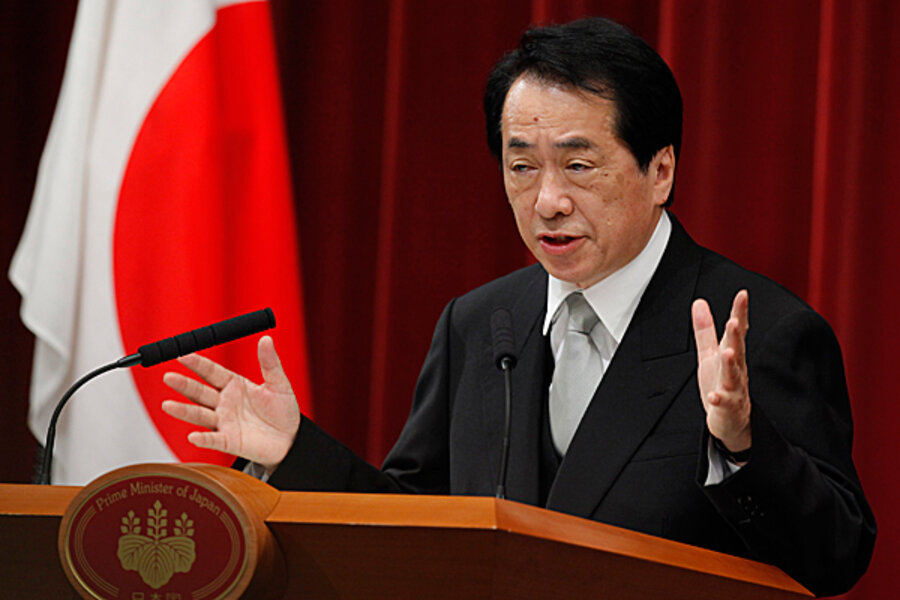
Naoto Kan: Prime Minister of Japan (2010–2011)

littlecellist.com – Naoto Kan served as the 94th Prime Minister of Japan from June 2010 to September 2011. His time in office was marked by some of the most tumultuous events in Japan’s modern history, including the devastating Great East Japan Earthquake, the subsequent Fukushima Daiichi nuclear disaster, and a period of political instability. Although Kan’s leadership was often characterized by the management of the aftermath of these crises, his tenure was also marked by significant domestic and international challenges, which ultimately led to his resignation.

Early Life and Political Career

Naoto Kan was born on October 10, 1946, in Ube, Yamaguchi Prefecture. He graduated from the University of Tokyo with a degree in economics and initially pursued a career in public health. Kan’s political career began in the late 1970s when he joined the Japanese Socialist Party before becoming a member of the Japan Socialist Party. He later transitioned to the Democratic Party of Japan (DPJ), which was formed in 1996.

Kan was known for his social democratic views and his focus on issues such as healthcare, welfare, and government transparency. He first became a member of the House of Representatives in 1980, and over the following decades, he developed a reputation as a staunch critic of Japan’s bureaucratic elites and corporate interests. Before becoming prime minister, Kan served in various key government positions, including Minister of Health, Labour, and Welfare, as well as Minister of Finance.

Becoming Prime Minister

Naoto Kan became prime minister of Japan on June 8, 2010, following the resignation of then-Prime Minister Yukio Hatoyama. Hatoyama’s administration had been plagued by political infighting, broken promises, and issues surrounding the relocation of a U.S. military base in Okinawa, leading to his decision to step down. Kan, who was serving as finance minister at the time, was chosen as his successor by the Democratic Party of Japan (DPJ).

Upon assuming office, Kan inherited a country facing a number of pressing issues, including Japan’s struggling economy, an aging population, and a fractured political environment. Kan’s leadership was put to the test soon after he took office, as he faced one of the worst natural disasters in Japan’s history.

The Great East Japan Earthquake and Fukushima Nuclear Disaster

On March 11, 2011, the Great East Japan Earthquake struck, triggering a devastating tsunami that devastated Japan’s northeastern coast. The earthquake, with a magnitude of 9.0, and the subsequent tsunami caused widespread destruction, leading to nearly 20,000 deaths and widespread displacement. In addition to the human toll, the disaster caused a crisis at the Fukushima Daiichi nuclear power plant, where a series of meltdowns and explosions resulted in a catastrophic release of radioactive materials.

The Fukushima nuclear disaster was one of the most significant events in modern Japanese history, and it posed a massive challenge for Kan and his government. Kan was forced to deal with a nuclear crisis on an unprecedented scale, with the Japanese public demanding answers and reassurances about the safety of nuclear energy. Kan faced significant criticism for the handling of the disaster, especially for the delayed and unclear communication from the government regarding the risks of radiation exposure and the safety of local residents.

Despite the challenges, Kan took decisive steps to manage the crisis. He ordered the evacuation of people living within a 20-kilometer radius of the plant and worked to secure international assistance in managing the disaster. Kan’s government also temporarily suspended the use of nuclear reactors across the country and began a shift toward a greater reliance on renewable energy sources.

However, Kan’s handling of the disaster was widely criticized for being disorganized, and his administration’s response to the crisis led to a loss of public trust. Many criticized him for failing to provide clear and timely information about the situation at Fukushima, and his government faced significant opposition from both the public and political rivals for its handling of the disaster.

Economic and Domestic Challenges

In addition to the earthquake and nuclear disaster, Kan’s administration also faced significant economic challenges. Japan’s economy was already struggling with slow growth and a massive public debt. The 2011 earthquake and tsunami compounded these economic difficulties, causing widespread damage to infrastructure, industries, and agriculture in the affected regions.

Kan’s government implemented a range of economic measures to address these challenges, including a stimulus package aimed at rebuilding the affected regions and providing financial assistance to the victims. However, the economic recovery was slow, and Japan continued to face the long-term challenges of an aging population, stagnating growth, and high levels of public debt.

Kan also faced political instability within his own party. The DPJ, which had won a historic victory in the 2009 general election, was already struggling with internal divisions, and Kan’s leadership was frequently undermined by infighting among party members. In particular, Kan’s handling of the Fukushima disaster led to further divisions within the DPJ, with many calling for his resignation.

Resignation and Legacy

As the months passed, Kan’s approval ratings plummeted due to public dissatisfaction with his handling of the Fukushima crisis, the slow pace of recovery, and his inability to effectively manage political divisions within his party. In August 2011, Kan announced that he would step down as prime minister, paving the way for the selection of his successor within the DPJ.

Kan officially resigned on September 2, 2011, and was succeeded by Yoshihiko Noda, who had been serving as finance minister under his administration. Kan’s time as prime minister was relatively short—just over a year—but it was a period that deeply affected Japan’s political landscape and its relationship with nuclear energy.

Kan’s legacy is marked by the severe challenges he faced in the aftermath of the 2011 disaster. While his leadership during the immediate aftermath of the earthquake and nuclear crisis was praised by some for its decisiveness, his administration’s handling of the Fukushima disaster and the subsequent failure to provide clear and transparent communication to the public severely damaged his political career. Despite this, Kan’s role in navigating Japan through one of the most difficult periods in its history remains an important part of his legacy.

In the years following his resignation, Naoto Kan continued to be active in Japanese politics, focusing on issues such as nuclear disarmament and promoting the use of renewable energy. He has remained a vocal critic of Japan’s reliance on nuclear power and has advocated for policies to promote cleaner energy sources in the country.

Conclusion

Naoto Kan’s tenure as prime minister was defined by a series of unprecedented crises, most notably the Great East Japan Earthquake and the Fukushima Daiichi nuclear disaster. While Kan’s government took important steps to manage the immediate aftermath of these disasters, his leadership was marred by criticism of his handling of the nuclear crisis and the lack of effective communication. Ultimately, his time as prime minister was cut short, but his leadership during one of Japan’s darkest times remains a significant part of his political legacy.
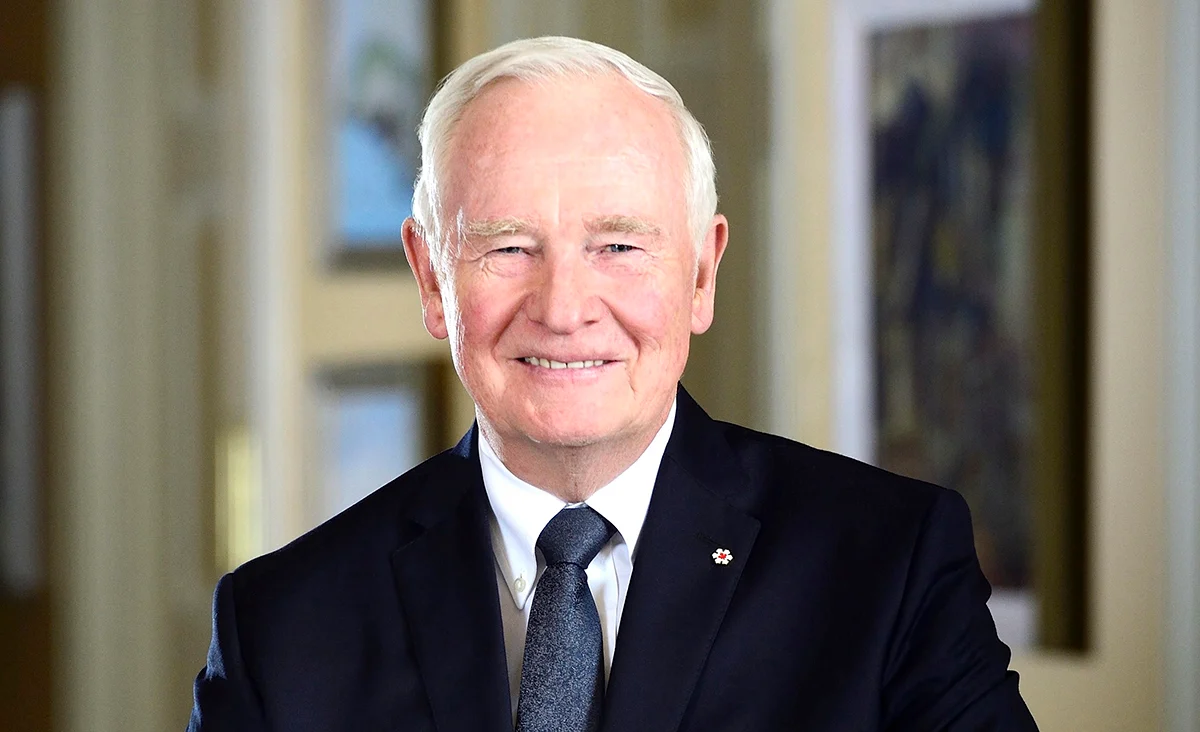
David Johnston: A Distinguished Governor General of Canada

littlecellist.com – David Johnston served as the 28th Governor General of Canada from 2010 to 2017, a period during which he demonstrated strong leadership, fostered unity, and promoted Canadian values of inclusivity, innovation, and community service. Known for his calm and thoughtful approach to his duties, Johnston’s tenure as Governor General was marked by his emphasis on education, youth engagement, and strengthening the bonds between Canadians and their communities. He brought a unique background as an academic and public servant, which shaped his approach to the role.

As Governor General, Johnston worked to bridge gaps in Canadian society, championing the importance of volunteerism, civic responsibility, and national cohesion. His efforts helped enhance the role of the Governor General as not only a ceremonial figurehead but also as an advocate for positive social change and Canadian progress.

Early Life and Academic Career

David Johnston was born on June 28, 1941, in Sudbury, Ontario. Raised in a family with a strong emphasis on education, Johnston pursued his academic studies with a passion. He completed his undergraduate degree at Harvard University, where he earned a Bachelor of Arts in history. He later earned a Master of Arts and a Doctorate in Law from the University of Cambridge.

Johnston’s early academic career was distinguished by his leadership in legal and educational fields. He became a professor at the University of Western Ontario, where he specialized in law, before becoming a recognized figure in higher education. Johnston’s deep understanding of the legal system, governance, and public policy made him well-prepared for the responsibilities of the Governor General’s office.

Before being appointed Governor General, Johnston had a long and impactful career in academia and public service. He served as the president of the University of Waterloo for over a decade, where he played a pivotal role in the institution’s expansion and development. His leadership at the university was recognized for transforming the institution into one of Canada’s leading universities, known for its innovation in research and education.

Appointment as Governor General

David Johnston was appointed Governor General of Canada by Queen Elizabeth II on September 27, 2010, succeeding Michaëlle Jean. His appointment was widely praised, as it reflected both his distinguished academic background and his deep commitment to public service. As a well-respected figure in Canadian education and public life, Johnston’s appointment was seen as an ideal fit for the role of Governor General.

Johnston’s background in law and education informed his approach to the office, which was rooted in a deep respect for Canadian democracy, institutions, and values. His tenure as Governor General was marked by a more hands-on approach to the role, and he worked tirelessly to strengthen the connection between the Governor General’s office and the people of Canada.

Promoting Education and Innovation

One of the key themes of David Johnston’s tenure as Governor General was his strong focus on education and innovation. He believed that the future of Canada depended on fostering a highly educated and creative population capable of driving economic and social progress. Johnston saw education as the key to unlocking opportunities for young Canadians and ensuring that Canada remained a global leader in research, technology, and innovation.

During his time in office, Johnston advocated for the importance of science and technology in shaping the future of Canada. He often spoke about the need for Canadians to invest in research and development, particularly in areas such as information technology, renewable energy, and health sciences. His leadership in this area included supporting initiatives that encouraged Canadian youth to pursue careers in science and technology and working to strengthen partnerships between academia, industry, and government.

Johnston’s commitment to education extended beyond the realm of science and technology; he also emphasized the value of a well-rounded education that included the arts and humanities. He believed that a balanced education, incorporating both the practical and creative, was essential for developing the critical thinking skills needed to address the complex challenges of the 21st century.

Youth Engagement and Volunteerism

David Johnston placed a significant focus on engaging Canada’s youth during his time as Governor General. He was a strong advocate for volunteerism and civic engagement, believing that the younger generation had an important role to play in building stronger communities and contributing to the country’s development. Johnston was particularly interested in creating opportunities for young Canadians to become involved in service and leadership activities.

One of his notable initiatives was the creation of the Governor General’s Youth Volunteer Award, which recognized young Canadians who demonstrated exceptional commitment to their communities through volunteerism. This award encouraged young people to actively contribute to society and highlighted the importance of service to others as a core Canadian value.

Johnston also worked to increase youth engagement in Canada’s democratic processes. He believed that young Canadians needed to be informed and active participants in shaping their country’s future, whether through voting, community service, or leadership roles. By emphasizing the importance of engagement and active citizenship, Johnston hoped to instill a sense of responsibility in the next generation of Canadians.

Building National Unity

Another central theme of David Johnston’s tenure was his emphasis on national unity. Throughout his time as Governor General, Johnston worked to foster a sense of connection between Canadians from diverse regions, backgrounds, and cultures. He believed that the strength of Canada lay in its ability to embrace its diversity and find common ground among its people.

Johnston regularly traveled across the country to meet with Canadians from all walks of life. His visits to provinces and territories helped strengthen ties between the Governor General’s office and local communities, and he used these opportunities to listen to the concerns and aspirations of Canadians. His efforts to connect with people in remote and rural areas, as well as urban centers, were part of his broader strategy to unite the country and celebrate its diversity.

In addition to his national outreach, Johnston worked to deepen the relationships between Canadians and Indigenous peoples. He supported reconciliation efforts and made it a priority to engage with Indigenous communities to understand their unique challenges and promote positive change. His work helped raise awareness of the need for continued efforts toward reconciliation and the building of trust between Indigenous peoples and the broader Canadian society.

International Diplomacy and Leadership

As Governor General, David Johnston also played an important role in representing Canada on the world stage. His international diplomacy efforts were characterized by his focus on promoting Canadian values of peace, democracy, and human rights. Johnston represented Canada at various global forums and worked to strengthen Canada’s diplomatic relationships with countries around the world.

Johnston’s background in international relations and law made him an effective representative for Canada’s interests abroad. He was particularly active in advocating for issues such as global health, education, and environmental sustainability. Under his leadership, Canada’s commitment to supporting international humanitarian efforts, particularly in the areas of education and peace-building, was reinforced.

Legacy and Impact

David Johnston’s tenure as Governor General left a lasting impact on Canadian society, particularly in terms of his work in promoting education, volunteerism, and national unity. His focus on youth engagement and his advocacy for science, technology, and innovation helped shape Canada’s future trajectory, encouraging the next generation of Canadians to pursue careers in areas that would contribute to the nation’s growth and prosperity.

Johnston’s efforts to build a more connected and cohesive Canadian society were also notable. By engaging with Canadians across the country and prioritizing issues of reconciliation and social justice, he helped foster a sense of shared responsibility and unity among the nation’s diverse peoples.

His leadership of the Governor General’s office helped modernize the role, emphasizing the importance of connecting with Canadians and contributing to the broader national discourse. Johnston’s legacy is one of thoughtful leadership, service to others, and a commitment to building a better future for Canada.

Conclusion

David Johnston’s seven-year tenure as Governor General of Canada was marked by a dedication to education, innovation, volunteerism, and national unity. His leadership in these areas helped shape a more engaged, forward-thinking, and cohesive Canadian society. Through his work, Johnston helped elevate the role of the Governor General and strengthened the bonds that unite Canadians from all walks of life. His legacy will continue to inspire future generations of Canadians to contribute to the common good and work toward a better, more inclusive society.

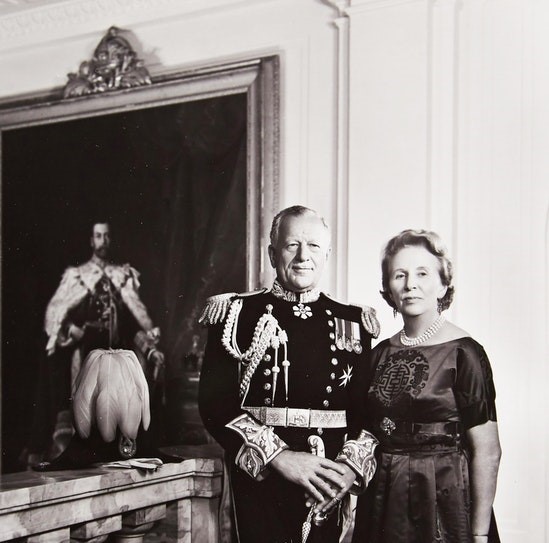
Roland Michener: The Governor General of Canada (1967–1974)

littlecellist.com – Roland Michener served as the 20th Governor General of Canada from 1967 to 1974, a period that coincided with Canada’s Centennial celebrations and the growing process of nation-building in the post-World War II era. Known for his dignified leadership, commitment to public service, and personal integrity, Michener’s tenure as Governor General is remembered for its emphasis on the importance of Canadian identity, national unity, and the constitutional role of the Governor General. His appointment marked a shift in Canadian political life, as Michener was the first Governor General in the country’s history to be selected from outside the aristocracy or military, reflecting the evolving nature of the office and Canadian society.

Early Life and Career

Roland Michener was born on March 23, 1900, in the town of Toronto, Ontario, into a family with deep roots in Canadian history. His father, a successful businessman, and his mother, both of whom were involved in their community, instilled in him a strong sense of public duty and responsibility. Michener attended the University of Toronto, where he earned a degree in law, and later went on to become a practicing lawyer.

His early career was defined by a commitment to public service. Michener first entered the political arena in the 1940s, serving as a Member of Parliament (MP) for the Conservative Party. He was elected as the Member for Ottawa West in 1949 and was re-elected in 1953. During his time in Parliament, Michener built a reputation as a principled and fair-minded legislator. He was appointed Speaker of the House of Commons in 1957, a position he held until 1962, where he was respected for his impartiality and ability to foster constructive debate in a politically charged environment.

In addition to his work in the legislative field, Michener had an impressive career in public administration. He was appointed as the Canadian Ambassador to the United States in the 1960s, where he gained further recognition for his diplomatic acumen and his ability to navigate the complexities of Canadian-American relations.

Appointment as Governor General of Canada

In 1967, at the age of 67, Roland Michener was appointed as the Governor General of Canada by Queen Elizabeth II. His selection was historic for several reasons. Michener’s appointment broke from the traditional selection of British aristocrats or military figures, signaling a more Canadian approach to the office. His background in law, politics, and diplomacy made him an ideal choice for the role, as it allowed him to bring both a depth of experience and a modern sensibility to the office.

The timing of Michener’s appointment was particularly significant, as 1967 marked Canada’s centennial year. The country was celebrating 100 years of Confederation, and Michener’s leadership symbolized a new phase in Canada’s history—one in which Canada was embracing its unique identity and sovereignty. His appointment was seen as an affirmation of Canadian pride and independence, a key theme during the celebrations of the nation’s 100th anniversary.

Leadership During His Tenure

Roland Michener’s time as Governor General was characterized by his deep commitment to the responsibilities of the office and his efforts to engage with Canadians from all walks of life. His leadership style was grounded in a strong belief in the democratic values that define Canada, and he took his role as a unifying figure for the country seriously.

Promoting Canadian Identity and National Unity

One of Michener’s most notable contributions during his tenure was his emphasis on the importance of Canadian identity and national unity. As the nation celebrated its 100th anniversary, Michener worked tirelessly to ensure that the country’s diverse cultures, languages, and regions were recognized and celebrated. He understood the significance of recognizing both Canada’s English and French-speaking populations and sought to foster a sense of inclusion across the country.

Michener’s travels across Canada, particularly to Quebec and the other provinces, helped him connect with Canadians from various backgrounds. He saw the Governor General’s role as an opportunity to represent all Canadians, regardless of their cultural or linguistic background, and he worked to promote a vision of a united and inclusive Canada. His advocacy for bilingualism, cultural diversity, and the value of Canada’s pluralistic society contributed to the country’s growing sense of national pride during a time of evolving social and political changes.

The Centennial Celebrations

The year 1967 was a defining moment in Canadian history, as the country celebrated its centennial year. Michener was deeply involved in the festivities, serving as a key figure in the celebrations. Under his leadership, the Governor General’s office helped coordinate various events and initiatives to mark the 100th anniversary of Confederation. His presence at these events, along with his speeches promoting Canadian unity and the country’s potential, resonated with Canadians across the nation.

The centennial celebrations were a moment for Canadians to reflect on their history, recognize their achievements, and look ahead to the future. Michener’s role as the representative of the Crown during this important year helped to underscore the idea that Canada was moving into a new era of self-confidence and national identity.

Constitutional and Public Engagement

During his time as Governor General, Michener was also deeply concerned with the constitutional role of the office. He believed in the importance of maintaining the integrity of the Canadian political system and upholding the democratic principles enshrined in the country’s laws. Michener worked to preserve the neutrality of the Governor General’s office, ensuring that it remained above partisan politics while respecting the responsibilities of the elected government.

Michener’s approach to public engagement was one of openness and accessibility. He sought to make the office of Governor General more approachable, particularly by interacting with Canadians directly. He made a concerted effort to visit communities across Canada, attending events, schools, and meetings with various groups. His emphasis on service and duty resonated with Canadians, and he became known for his warmth, humility, and dedication to public life.

Legacy and Conclusion

Roland Michener’s tenure as Governor General was one of modernization, national unity, and personal engagement. His appointment in 1967 marked a turning point in the history of the office, as Michener represented a shift toward a more Canadian-centric vision of the role. His work during Canada’s centennial year, his promotion of national unity, and his dedication to public service left an indelible mark on the country.

Following his time in office, Michener’s legacy lived on through his contributions to the growth of Canadian identity, his role in the evolving constitutional landscape, and his efforts to engage with Canadians on a personal level. He remains one of Canada’s most respected Governors General, and his approach to leadership, rooted in respect for all Canadians, continues to serve as an example of service to the nation.

Roland Michener passed away on December 6, 1991, but his legacy as Governor General is still celebrated today. Through his commitment to national unity, his emphasis on the importance of Canadian identity, and his tireless dedication to public service, Michener helped shape a modern, diverse, and unified Canada.