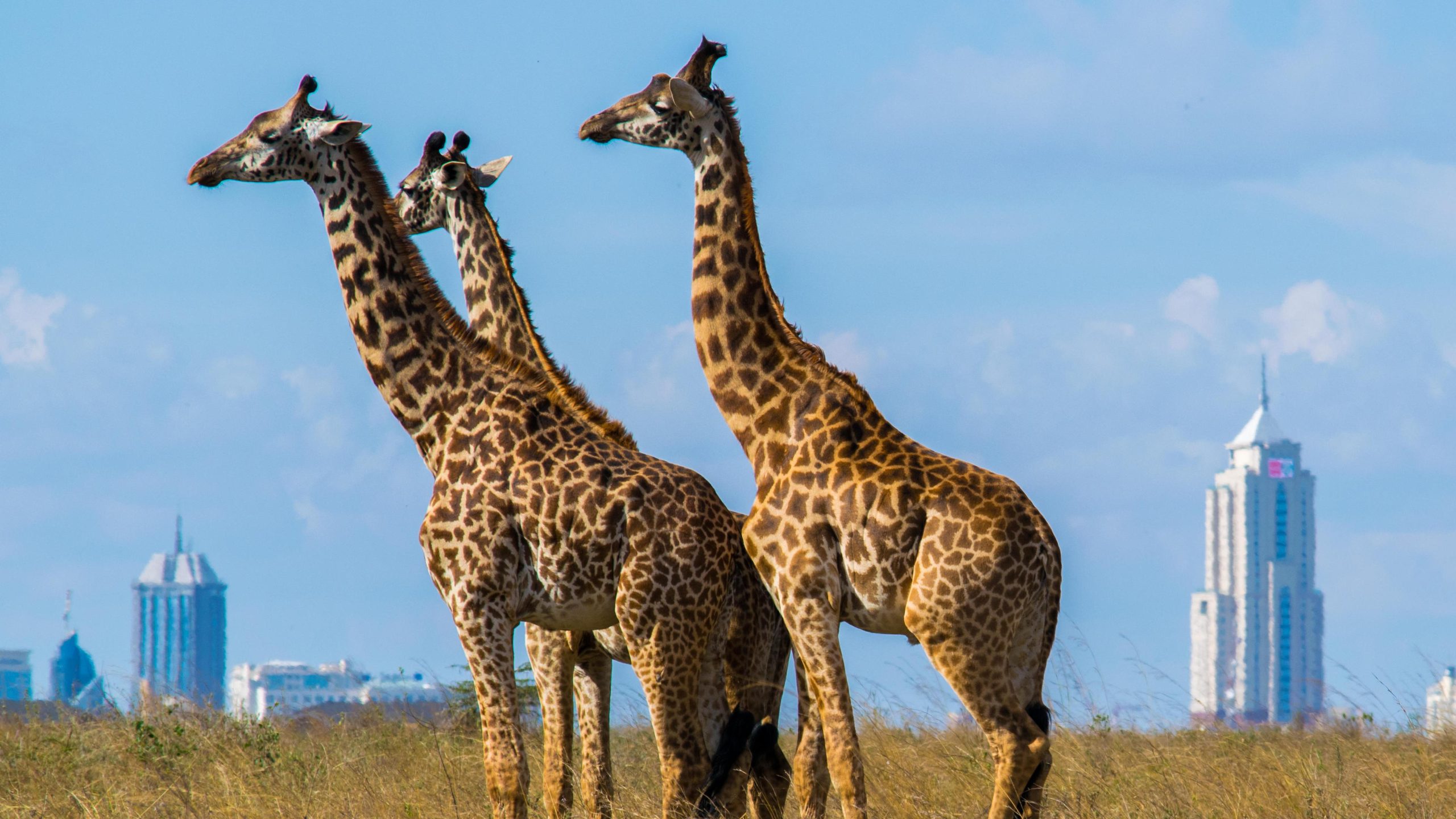
Urban Wildlife in the Heart of the City: The Nairobi National Park

littlecellist.com – The Nairobi National Park is a unique gem nestled within the bustling metropolis of Nairobi, Kenya. As one of the world’s only national parks situated within a capital city, it offers a remarkable blend of urban development and natural conservation. This article delves into the significance of the Nairobi National Park, its biodiversity, conservation efforts, and the challenges it faces in maintaining a delicate balance between wildlife and urban life.

The Significance of Nairobi National Park

Established in 1946, the Nairobi National Park covers an area of approximately 117 square kilometers and is home to a diverse range of wildlife. The park’s proximity to the city makes it an easily accessible haven for both wildlife and visitors, providing a unique opportunity for urbanites to connect with nature.

Biodiversity in the Park

The Nairobi National Park boasts a rich variety of species, including over 400 bird species, large mammals such as giraffes, zebras, lions, leopards, and rhinos, as well as a plethora of smaller mammals, reptiles, and amphibians. The park’s diverse habitats, from grasslands to forests and wetlands, support this rich biodiversity.

Conservation Efforts

Conservation is at the heart of the Nairobi National Park’s mission. Anti-poaching units, community outreach programs, and wildlife rehabilitation centers are integral to the park’s efforts to protect its inhabitants. Additionally, the park serves as a vital corridor for wildlife migration, linking to other protected areas and contributing to the conservation of the greater ecosystem.

Challenges and Solutions

The park faces several challenges, including habitat fragmentation due to urban expansion, human-wildlife conflict, and pollution. To address these issues, the park has implemented measures such as fencing, community engagement, and environmental education. Collaboration with local and international organizations is also key to ensuring the park’s sustainability.

Conclusion

The Nairobi National Park stands as a testament to the possibility of harmonious coexistence between wildlife and urban development. Its success in conserving biodiversity while being surrounded by a bustling city is a model for urban wildlife conservation worldwide. As the park continues to adapt and evolve, it remains an invaluable asset to Kenya’s natural heritage and a beacon of hope for the future of conservation in rapidly developing areas.

A Haven for Biodiversity: Andorra’s Natural Parks

littlecellist.com – Andorra, a small country nestled in the Pyrenees, is renowned for its stunning natural landscapes and rich biodiversity. The country is home to three major natural parks, each playing a crucial role in preserving the ecological balance and biodiversity of the region. These parks not only offer a unique glimpse into the natural beauty of the Pyrenees but also serve as vital habitats for a wide range of flora and fauna.

Valle de Sorteny Natural Park

Established in 1999, the Valle de Sorteny Natural Park is one of the most significant protected areas in Andorra. It covers a vast area and is home to a diverse array of plant and animal species, including many that are endemic to the region. The park is particularly noted for its efforts in conserving the natural environment and promoting sustainable tourism.

Madriu-Perafita-Claror Valley

The Madriu-Perafita-Claror Valley is another important natural park in Andorra. This park is recognized for its exceptional natural beauty and is listed as a UNESCO World Heritage site. It supports a rich variety of wildlife and is a critical habitat for species such as the Pyrenean desman and the bearded vulture.

Valles del Comapedrosa Natural Park

The Valles del Comapedrosa Natural Park is known for its high-altitude ecosystems and is a significant area for biodiversity conservation. It provides a habitat for a variety of species, including many that are adapted to the harsh mountain conditions. The park also supports important ecological processes such as water regulation and carbon sequestration.

Biodiversity and Conservation Efforts

Andorra’s natural parks are not only scenic wonders but also crucial for the conservation of biodiversity. The country has implemented several measures to protect these areas, including the establishment of the National Strategy for Biodiversity, which aims to plan and coordinate conservation efforts across the natural environment. This strategy ensures that the parks are managed sustainably, preserving their ecological integrity for future generations.

Cultural and Historical Significance

In addition to their ecological importance, Andorra’s natural parks also hold significant cultural and historical value. They are home to ancient forests, traditional agricultural practices, and historical sites that reflect the human interaction with the natural environment over centuries. This cultural heritage adds another layer to the parks’ appeal, making them not just natural reserves but also cultural sanctuaries.

Conclusion

Andorra’s natural parks are a testament to the country’s commitment to preserving biodiversity and maintaining ecological balance. These protected areas offer a unique opportunity to explore and appreciate the natural beauty of the Pyrenees while supporting vital conservation efforts. As global environmental challenges continue to grow, the role of these parks in maintaining biodiversity and promoting sustainable practices becomes increasingly important. Andorra’s natural parks are not just scenic wonders but essential components of the global effort to protect our planet’s natural heritage.