The Pocket-Sized Parrot: Exploring the World of Parrotlets

littlecellist.com – Parrotlets, often described as miniature parrots, are small, vibrant birds belonging to the Forpus genus within the Psittacidae family (true parrots). Native to Central and South America, these charming birds are known for their bold personalities, playful antics, and relatively quiet nature compared to larger parrots. This article explores the fascinating world of parrotlets, delving into their diverse species, unique characteristics, natural behaviors, and growing popularity as companion animals.

A Diverse Genus: Forpus and its Species

The Forpus genus comprises several distinct species, each with its own unique coloration and distribution. Some of the most commonly kept parrotlet species include:   

  • Pacific Parrotlet (Forpus coelestis): The most common species in aviculture, known for its bright green plumage and blue markings in males.   
  • Green-rumped Parrotlet (Forpus passerinus): Characterized by its green rump and slightly larger size.
  • Spectacled Parrotlet (Forpus conspicillatus): Distinguished by its blue “spectacles” around the eyes.   
  • Mexican Parrotlet (Forpus cyanopygius): Found in Mexico and known for its blue rump.   

Physical Characteristics: Miniature Parrots with Big Features

Parrotlets share many physical characteristics with their larger parrot relatives, albeit in a smaller package:

  • Small Size: Typically measuring between 4-5 inches in length, making them one of the smallest parrot species.
  • Stocky Build: Giving them a robust appearance despite their small size.
  • Short, Square Tails: Unlike the long tails of some larger parrots.
  • Strong Beaks: Adapted for cracking seeds and nuts.
  • Zygodactyl Feet: Two toes pointing forward and two pointing backward, allowing them to grip branches and food items.

Natural Habitat and Behavior: Thriving in Tropical Environments

Parrotlets are native to tropical and subtropical regions of Central and South America, inhabiting a variety of habitats:   

  • Tropical Forests: Where they forage for seeds, fruits, and other plant matter.
  • Savannas and Open Woodlands: Adapting to more open environments.
  • Agricultural Areas: Sometimes found in cultivated areas, feeding on crops.

In the wild, they are typically found in flocks, exhibiting social behaviors such as preening and vocalization.

Diet and Feeding: Primarily Seed Eaters with Varied Tastes

Parrotlets are primarily seed eaters, but their diet also includes other food items:

  • Seeds: A staple food source, including various types of grass seeds, millet, and other small seeds.
  • Fruits and Vegetables: Providing essential vitamins and minerals.   
  • Insects: Occasionally consumed, especially during breeding season, for added protein.

A balanced diet is crucial for maintaining their health and well-being in captivity.

Breeding and Reproduction: Cavity Nesters with Strong Pair Bonds

Parrotlets are cavity nesters, typically nesting in tree hollows or other natural cavities:

  • Cavity Nests: Providing protection for eggs and young.
  • Strong Pair Bonds: Forming monogamous pairs that often remain together for life.
  • Small Clutches: Typically laying 4-6 eggs.

Both parents participate in incubation and caring for the young.

Parrotlets as Pets: Small Birds with Big Personalities

Parrotlets have become increasingly popular as companion animals due to several factors:

  • Small Size: Making them suitable for smaller living spaces.
  • Relatively Quiet Nature: Compared to larger parrots, they are generally less noisy.
  • Intelligent and Playful: Exhibiting engaging behaviors and forming strong bonds with their owners.   
  • Relatively Easy to Care For: With proper care and attention, they can thrive in captivity.

However, potential owners should be aware of their specific needs, including proper housing, diet, and social interaction.

Care and Husbandry: Providing a Stimulating Environment

Providing proper care for parrotlets is essential for their physical and mental well-being:

  • Appropriate Cage: A spacious cage with plenty of perches and toys.   
  • Balanced Diet: A varied diet consisting of seeds, fruits, vegetables, and occasional treats.
  • Social Interaction: Providing opportunities for interaction with their owners or other parrotlets.
  • Veterinary Care: Regular checkups with an avian veterinarian.

Conservation Status and Threats: Facing Habitat Loss

While most parrotlet species are not currently considered globally threatened, they face some challenges:

  • Habitat Loss: Deforestation and habitat conversion can negatively impact wild populations.   
  • Illegal Pet Trade: Although less impacted than some larger parrot species, the illegal pet trade can still pose a threat.

Conclusion: Appreciating the Charm of Parrotlets

Parrotlets, with their vibrant colors, playful personalities, and relatively quiet nature, are charming birds that have captured the hearts of many bird enthusiasts. By understanding their unique characteristics, natural behaviors, and specific needs, we can appreciate these miniature parrots and provide them with the care they deserve, both in the wild and as companion animals.

The Delicious World of Lamingtons: A Classic Treat

littlecellist.com – Lamingtons are a beloved dessert originating from Australia, capturing the hearts and taste buds of many with their simple yet delightful composition. These iconic sponge cake squares, enveloped in a rich chocolate coating and sprinkled generously with coconut, have a storied history and a timeless appeal.

History and Origin

The story of Lamingtons begins in the late 19th century, attributed to Lord Lamington, the Governor of Queensland from 1896 to 1901. Legend has it that the dessert was created either by accident or necessity when unexpected guests arrived, prompting the governor’s chef to improvise with available ingredients. Another popular version suggests that the cake was created to use up stale sponge cake, transforming it into something extraordinary with a few simple additions.

The Making of a Lamington

Creating a Lamington involves a fairly straightforward process, though it requires attention to detail to achieve the perfect balance of flavors and textures. The base is a light and airy sponge cake, cut into squares. These squares are then dipped into a smooth chocolate sauce, which not only adds flavor but also serves as an adhesive for the final touch—a generous coating of desiccated coconut.

Variations and Modern Twists

While traditional Lamingtons are adored for their classic taste, the dessert has inspired numerous variations. Some bakers fill them with layers of cream or jam for added richness. Others experiment with different coatings, such as white chocolate or even colorful sprinkles, to give the Lamingtons a contemporary twist. These creative adaptations make Lamingtons a versatile dessert, suitable for various occasions and palates.

Cultural Significance

Beyond their deliciousness, Lamingtons hold cultural significance, especially in Australia. They are often featured in bake sales, fundraisers, and national celebrations like Australia Day. Their enduring popularity is a testament to their ability to bring people together, symbolizing comfort and nostalgia.

Conclusion

Lamingtons are more than just a dessert; they are a cherished piece of culinary history. Their simple ingredients and delightful flavors continue to captivate dessert lovers around the world. Whether enjoyed in their traditional form or with a modern twist, Lamingtons remain a testament to the creativity and adaptability of classic recipes.

Highest in the Arab World: Qatar’s Human Development Index

littlecellist.com – Qatar has consistently ranked as the highest in the Arab world on the Human Development Index (HDI), a comprehensive measure of a country’s development that encompasses health, education, and standard of living. This achievement underscores Qatar’s significant progress and commitment to human development over the years.

Key Dimensions of the HDI

The HDI, developed by the United Nations Development Programme (UNDP), evaluates countries based on three primary dimensions:

  1. Health: Measured by life expectancy at birth.
  2. Education: Assessed through expected years of schooling for children and mean years of schooling for adults.
  3. Standard of Living: Evaluated using Gross National Income (GNI) per capita, adjusted for purchasing power parity (PPP).

Qatar’s HDI Score

Qatar’s HDI score has been consistently high, reflecting its strong performance across these dimensions. In 2021, Qatar’s HDI score was 0.855, placing it among the very high human development group and ranking 42nd out of 191 countries globally. This score is above the average for countries in the very high human development group, which is 0.896, and significantly higher than the average for countries in the Arab world.

Health

Qatar has made substantial investments in healthcare infrastructure and services, leading to a high life expectancy. The country’s healthcare system is modern and well-equipped, providing comprehensive medical care to its residents. This focus on health has contributed significantly to Qatar’s high HDI score.

Education

Education is another area where Qatar excels. The country has a well-developed education system that emphasizes both primary and higher education. Qatar has invested heavily in educational institutions, including universities and research centers, which has led to high literacy rates and a well-educated population. The expected years of schooling and mean years of schooling for adults are both strong indicators of Qatar’s commitment to education.

Standard of Living

Qatar’s standard of living is among the highest in the world, driven by its rich natural resources, particularly oil and gas. The country’s high Gross National Income (GNI) per capita, adjusted for PPP, reflects its economic prosperity. This wealth has been used to improve living conditions, infrastructure, and public services, contributing to a high quality of life for its residents.

Challenges and Future Prospects

Despite its high HDI score, Qatar faces challenges such as gender inequality and the need for further improvements in environmental sustainability. The country has been working on addressing these issues through various reforms and initiatives aimed at creating a more inclusive and sustainable society.

Conclusion

Qatar’s high Human Development Index score is a testament to its significant achievements in health, education, and standard of living. By maintaining its focus on these key areas, Qatar continues to set a high standard for human development in the Arab world and beyond. As the country continues to invest in its people and infrastructure, it is poised to maintain its position as a leader in human development.

Adaptation and Recovery: Banking in a Post-COVID World

littlecellist.com – The COVID-19 pandemic has had a profound impact on the global economy, with the banking sector being no exception. As the world navigates through the post-pandemic era, banks are faced with the dual challenge of adapting to the new normal and facilitating economic recovery. This article explores the key strategies and innovations that are shaping the future of banking in a post-COVID world.

1. Digital Transformation Acceleration

The pandemic has accelerated the digital transformation of banking, with a significant shift towards online and mobile banking services. Banks have invested heavily in digital platforms to ensure seamless customer experiences, from account opening to loan applications and payments. This digital acceleration is not only about convenience but also about safety, as it reduces the need for physical interactions.

2. Enhanced Cybersecurity Measures

With the increase in digital banking activities, cybersecurity has become more critical than ever. Banks are enhancing their cybersecurity measures to protect customer data and prevent fraud. This includes advanced encryption, multi-factor authentication, and AI-driven threat detection systems. Ensuring the security of digital transactions is paramount in maintaining customer trust and confidence.

3. Supporting Economic Recovery

Banks play a crucial role in supporting economic recovery by providing access to credit and financial services. This includes offering loans to businesses, especially small and medium-sized enterprises (SMEs), to help them recover and grow. Additionally, banks are working with governments to implement stimulus packages and financial aid programs aimed at revitalizing the economy.

4. Focus on Financial Inclusion

The pandemic has highlighted the importance of financial inclusion, with many underserved populations struggling to access essential financial services. Banks are now focusing on expanding their reach to these communities through digital banking solutions and partnerships with fintech companies. This includes offering affordable banking services, microloans, and financial literacy programs.

5. Sustainability and ESG Investing

The post-COVID world has seen a growing emphasis on sustainability and environmental, social, and governance (ESG) investing. Banks are increasingly integrating ESG criteria into their lending and investment decisions, recognizing the importance of sustainable practices for long-term economic resilience. This includes supporting green projects, sustainable businesses, and social impact initiatives.

6. Remote Work and Branch Transformation

The pandemic has also led to a reevaluation of workplace models, with many banks adopting remote work policies. This has necessitated the implementation of robust remote work infrastructure and cybersecurity measures. Additionally, banks are transforming their physical branches into advisory centers, focusing on personalized services and digital banking assistance.

7. Regulatory Adaptation and Compliance

The post-COVID era has brought about new regulatory challenges and requirements. Banks are adapting to these changes by enhancing their compliance frameworks and leveraging technology for real-time monitoring and reporting. This includes adhering to new guidelines on capital adequacy, consumer protection, and anti-money laundering (AML).

8. Customer-Centric Approach

In a post-COVID world, banks are placing a renewed focus on customer needs and experiences. This includes offering personalized financial advice, flexible banking solutions, and enhanced customer support. Banks are leveraging data analytics and AI to gain insights into customer behavior and preferences, enabling them to deliver more tailored services.

9. Innovation and Collaboration

The banking sector is embracing innovation and collaboration to drive recovery and growth. This includes partnerships with fintech companies, insurtech firms, and other financial service providers to develop new products and services. Banks are also exploring emerging technologies such as blockchain, AI, and IoT to enhance their offerings and operational efficiency.

10. Resilience and Future-Proofing

Finally, banks are focusing on building resilience and future-proofing their operations. This includes diversifying their business models, strengthening their risk management frameworks, and investing in talent and innovation. By preparing for future challenges, banks can ensure their long-term success and contribute to a stable and prosperous post-COVID world.

In conclusion, the post-COVID world presents both challenges and opportunities for the banking sector. By embracing digital transformation, enhancing cybersecurity, supporting economic recovery, and focusing on sustainability and financial inclusion, banks can adapt to the new normal and drive the global economy forward. The future of banking is bright, but it requires a commitment to innovation, collaboration, and customer-centricity.

The Energy Transition: World’s Push Toward Renewable Sources

littlecellist.com – In the face of global warming, environmental degradation, and the depletion of fossil fuel reserves, the world is undergoing a significant transformation in how it generates and consumes energy. This transition, often referred to as the “energy transition,” is a shift from traditional, carbon-intensive energy sources like coal, oil, and natural gas to cleaner, renewable energy sources such as solar, wind, hydroelectric, and geothermal. This article explores the reasons behind the push for renewable energy, the challenges it faces, and the potential it holds for the future of our planet.

The Need for Renewable Energy

The urgency of the energy transition is driven by several critical factors. First and foremost is the imperative to combat climate change. Burning fossil fuels releases greenhouse gases like carbon dioxide (CO2), which trap heat in the Earth’s atmosphere, leading to global warming and its associated extreme weather events, rising sea levels, and biodiversity loss.

Another reason for the shift is the finite nature of fossil fuels. As these resources become scarcer and more challenging to extract, their cost increases, making renewable energy more competitive in terms of price. Additionally, renewable energy sources are more sustainable, as they are naturally replenished and do not deplete over time.

The Rise of Renewable Energy Sources

Solar Power

Solar energy, harnessed from the sun, is one of the most abundant and rapidly growing renewable energy sources. Solar panels convert sunlight into electricity, which can be used directly or stored in batteries for later use. Advances in technology have made solar power more efficient and affordable, making it a viable option for homes, businesses, and even large-scale power plants.

Wind Power

Wind energy, generated by the flow of air across the Earth’s surface, is another significant player in the renewable energy landscape. Wind turbines capture the kinetic energy of the wind and convert it into electrical energy. Wind farms, both onshore and offshore, are becoming increasingly common, providing a clean and reliable source of power.

Hydroelectric and Geothermal Energy

Hydroelectric power, produced by the force of falling or flowing water, has been a source of renewable energy for decades. Meanwhile, geothermal energy taps into the heat from the Earth’s core to generate electricity or provide heating. Both of these sources are considered to be highly reliable and have a small environmental footprint.

Challenges and Opportunities

The transition to renewable energy is not without its challenges. One of the primary obstacles is the intermittent nature of some renewable sources, such as solar and wind, which depend on weather conditions. This variability requires the development of efficient energy storage solutions and the integration of smart grid technologies to ensure a stable power supply.

Another challenge is the upfront cost of building renewable energy infrastructure, which can be higher than that of traditional power plants. However, as technology advances and economies of scale are achieved, the cost of renewable energy is decreasing, making it more accessible.

The Future of Renewable Energy

The future of renewable energy is promising. Innovations in technology, such as improved battery storage and more efficient energy conversion methods, are expected to further reduce costs and increase the reliability of renewable energy sources. Additionally, as awareness of climate change grows and governments around the world implement policies to support renewable energy, the transition is gaining momentum.

Conclusion

The push toward renewable energy sources is a critical step in addressing the environmental and economic challenges posed by our reliance on fossil fuels. While the transition is complex and faces various hurdles, the benefits of a renewable energy future—including a cleaner environment, energy security, and economic opportunities—are too significant to ignore. As we continue to innovate and invest in renewable energy, we move closer to a sustainable and prosperous future for all.

Comprehensive Look at the World of Laughter: The Giggle Guide

littlecellist.com – Laughter is often referred to as the best medicine, and with good reason. It has the power to reduce stress, strengthen relationships, and even improve our physical health. But beyond its therapeutic benefits, laughter is a universal language that transcends cultural and linguistic barriers, bringing people together in a shared moment of joy. “The Giggle Guide” is your ultimate resource for exploring the multifaceted world of laughter, from its physiological effects to its role in society.

The Science of Laughter

Laughter is a complex physiological process that involves various systems within the body. When we laugh, our brain releases endorphins, which are natural painkillers that can improve our mood and reduce stress. Additionally, laughter can enhance our immune system by increasing the activity of T-cells and natural killer cells, which fight off infections and diseases.

Moreover, laughter has been shown to have a positive impact on our cardiovascular health by improving blood flow and reducing blood pressure. It can also aid in digestion and alleviate pain by temporarily relieving muscle tension.

The Psychological Benefits

Beyond the physical health benefits, laughter has profound psychological effects. It is a powerful tool for coping with stress and anxiety, as it can distract us from our worries and provide a mental break from the challenges we face. Laughter also has the ability to enhance resilience, helping us to bounce back from setbacks and approach life with a more positive outlook.

In social contexts, laughter is a key ingredient in building and maintaining relationships. It can break down barriers, foster a sense of belonging, and create a shared experience that strengthens bonds between individuals. Whether it’s a group of friends sharing a joke or a family enjoying a comedy together, laughter is a universal language that brings people closer.

Laughter in Society

Throughout history, laughter has played a significant role in society, serving as a form of social commentary and a means of addressing taboo subjects. Comedy and humor have been used to challenge norms, question authority, and provide a voice to marginalized groups. From ancient Greek theater to modern stand-up comedy, laughter has been a consistent force for change and reflection.

In today’s digital age, laughter has found new platforms through social media and the internet. Memes, viral videos, and online comedy have become ubiquitous, offering a quick laugh to millions of people around the world. These forms of humor can transcend language and cultural differences, connecting people from diverse backgrounds in a shared moment of amusement.

How to Incorporate More Laughter into Your Life

Incorporating more laughter into your life is easier than you might think. Here are some simple tips to help you find more joy and laughter in your daily routine:

  • Surround Yourself with Positive People: Spend time with friends and family who have a good sense of humor and enjoy laughing.
  • Watch Comedies: Make it a habit to watch funny movies, TV shows, or stand-up comedy routines.
  • Attend Live Events: Go to comedy clubs, theater performances, or live shows where laughter is encouraged.
  • Practice Laughter Yoga: Join a laughter yoga session, where the act of laughing for no reason can lead to genuine amusement.
  • Seek Out Humor: Read books by humorists, follow funny social media accounts, and look for the lighter side of life.

Conclusion

“The Giggle Guide” is your go-to source for understanding the myriad benefits of laughter and how to bring more of it into your life. Whether you’re looking to improve your health, strengthen your relationships, or simply enjoy life a little more, laughter is a powerful tool at your disposal. So go ahead, embrace the giggle, and let the joy of laughter enrich your life in countless ways.

Great Barrier Reef: Life Among the World’s Largest Coral System

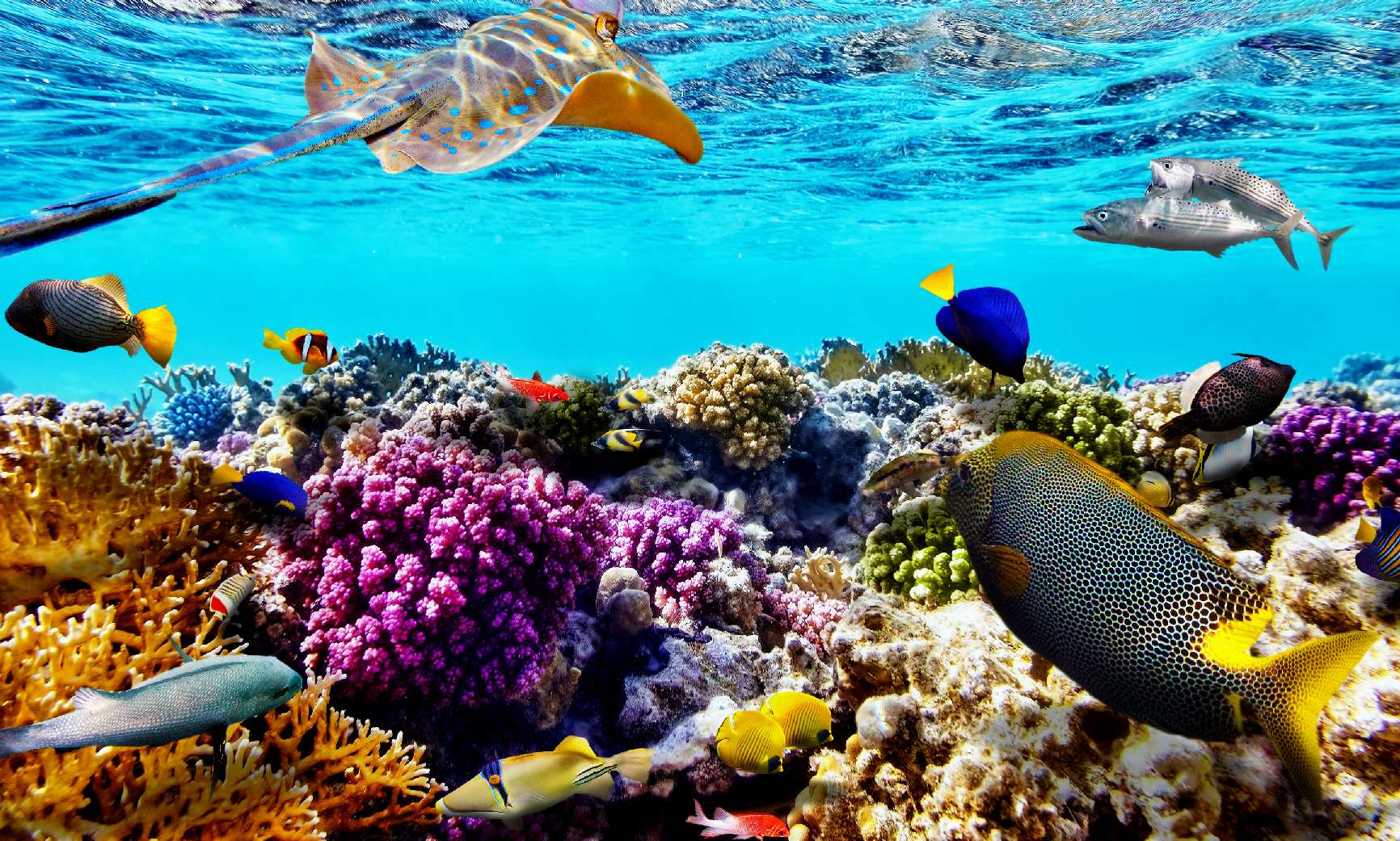
littlecellist.com – Nestled off the coast of Queensland, Australia, lies one of the most awe-inspiring natural wonders on Earth – the Great Barrier Reef. Spanning over 2,300 kilometers, this underwater marvel is not only the world’s largest coral reef system but also a bustling metropolis teeming with life. It is a place where the vibrant dance of existence plays out in a kaleidoscope of colors, shapes, and sizes, offering a glimpse into the intricate web of life that thrives beneath the ocean’s surface.

The Great Barrier Reef is not just a single, solid reef; it is a complex ecosystem composed of over 2,900 individual reefs and 900 islands. This vast expanse of coral is home to myriad species, many of which are found nowhere else on the planet. The reef’s biodiversity is staggering, with over 1,500 species of fish, 411 types of hard coral, one-third of the world’s soft corals, and countless other organisms, including sponges, sea snails, sea stars, and crabs.

At the heart of this ecosystem are the corals themselves. These tiny marine invertebrates are the architects of the reef, building their skeletons over thousands of years to create the intricate structures that we marvel at today. Corals form symbiotic relationships with algae called zooxanthellae, which live within their tissues. This partnership allows corals to convert sunlight into food through photosynthesis, providing the energy needed to build their calcium carbonate skeletons.

The reef’s diverse topography, from shallow coral cays to deepwater coral forests, supports a variety of habitats that cater to different species’ needs. The shallow waters are perfect for young fish and other marine life to grow and learn, while the deeper areas offer refuge for larger predators. The reef’s complexity also ensures that there is always something new to discover, with many species yet to be documented by science.

Life on the Great Barrier Reef is a delicate balance, with each species playing a crucial role in maintaining the health of the ecosystem. Predators like sharks and rays keep the population of other fish in check, while herbivores such as parrotfish and sea urchins graze on algae, preventing it from overgrowing the coral. The reef’s intricate food web is a testament to the interconnectedness of life, where the survival of one species is often dependent on the well-being of another.

However, the Great Barrier Reef is facing significant challenges. Climate change, pollution, and overfishing are threatening the delicate balance of life on the reef. Coral bleaching, caused by rising sea temperatures, has led to the loss of vibrant coral colors and, in severe cases, the death of corals. The reef’s resilience is being tested, and conservation efforts are critical to ensure its survival for future generations.

Despite these challenges, there is hope. Scientists, conservationists, and communities are working together to protect and restore the reef. Initiatives such as the Reef 2050 Long-Term Sustainability Plan aim to reduce the impact of human activities and improve water quality. Innovative techniques, including coral farming and gene editing, are being explored to help corals adapt to changing conditions.

The Great Barrier Reef is more than just a natural wonder; it is a living, breathing entity that has captivated the hearts and minds of people around the world. It is a reminder of the beauty and complexity of life on our planet and the importance of protecting the natural world for the benefit of all. As we continue to learn from and about the Great Barrier Reef, we are reminded of our responsibility to preserve this underwater paradise for generations to come.