Cheddar vs. Gouda: The Great Cheese Debate

littlecellist.com – Cheese enthusiasts around the world have long debated the merits of various cheeses, but few debates are as spirited as the one between cheddar and gouda. These two cheeses, both rich in history and flavor, have captured the hearts and palates of cheese lovers everywhere. In this article, we will explore the characteristics, origins, and culinary uses of cheddar and gouda, and perhaps come closer to deciding which reigns supreme.

The Origins of Cheddar and Gouda

Cheddar: A British Classic

Cheddar cheese originated in the English village of Cheddar in Somerset. Its history dates back to at least the 12th century, and it has since become one of the most popular cheeses worldwide. The name “cheddar” comes from the cheddaring process, a method of cheese making that involves cutting the curds and piling them to drain, which gives the cheese its distinct texture.

Gouda: A Dutch Delight

Gouda, on the other hand, hails from the city of Gouda in the Netherlands. It has been produced since the 12th century and is one of the oldest recorded cheeses. Gouda is known for its rich, creamy texture and its ability to age well, with some varieties being matured for over five years.

Flavor and Texture

Cheddar: Sharp and Crumbly

Cheddar cheese is renowned for its sharp, tangy flavor that intensifies with age. Young cheddar is mild and smooth, while aged cheddar can be quite sharp and crumbly. Its versatility in cooking and its ability to melt make it a favorite for sandwiches, burgers, and macaroni and cheese.

Gouda: Nutty and Creamy

Gouda offers a different sensory experience, with a buttery, creamy texture and a sweet, nutty flavor. As it ages, gouda becomes firmer and more crystalline, with a complex flavor profile that can include notes of caramel and even whiskey. It is excellent on its own, paired with fruit or nuts, or used in baking.

Culinary Uses

Cheddar: The Melting Cheese

Cheddar’s melting properties make it a staple in many recipes. It’s the go-to cheese for grilled cheese sandwiches, fondues, and nachos. Its ability to hold its shape when melted also makes it perfect for cheeseburgers and cheese steaks.

Gouda: A Versatile Ingredient

Gouda’s creamy texture and complex flavor make it a versatile ingredient in both sweet and savory dishes. It pairs well with fruits like pears and apples, and its nutty flavor complements salads and charcuterie boards. In cooking, gouda can be used in soufflés, added to mashed potatoes, or grated over pasta dishes.

The Great Debate

Taste Preferences

The debate between cheddar and gouda often comes down to personal taste. Some prefer the sharpness and crumbly texture of cheddar, while others favor the creamy, nutty profile of gouda. Both cheeses have their place in the culinary world, and the choice between them can depend on the dish being prepared or the desired flavor experience.

Culinary Versatility

When it comes to versatility, both cheddar and gouda have their strengths. Cheddar is the king of melting, making it a favorite for comfort foods, while gouda’s creamy texture and complex flavor make it a gourmet choice for pairing with other foods and using in a variety of recipes.

Conclusion

The great cheese debate between cheddar and gouda may never be definitively settled. Each cheese has its unique qualities and culinary uses that make it a beloved choice among cheese lovers. Whether you prefer the sharp tang of cheddar or the creamy nuttiness of gouda, there’s no denying that both cheeses have earned their place in the pantheon of great cheeses. In the end, the best cheese is the one that brings you the most joy, whether it’s a slice of aged cheddar or a wedge of vintage gouda.
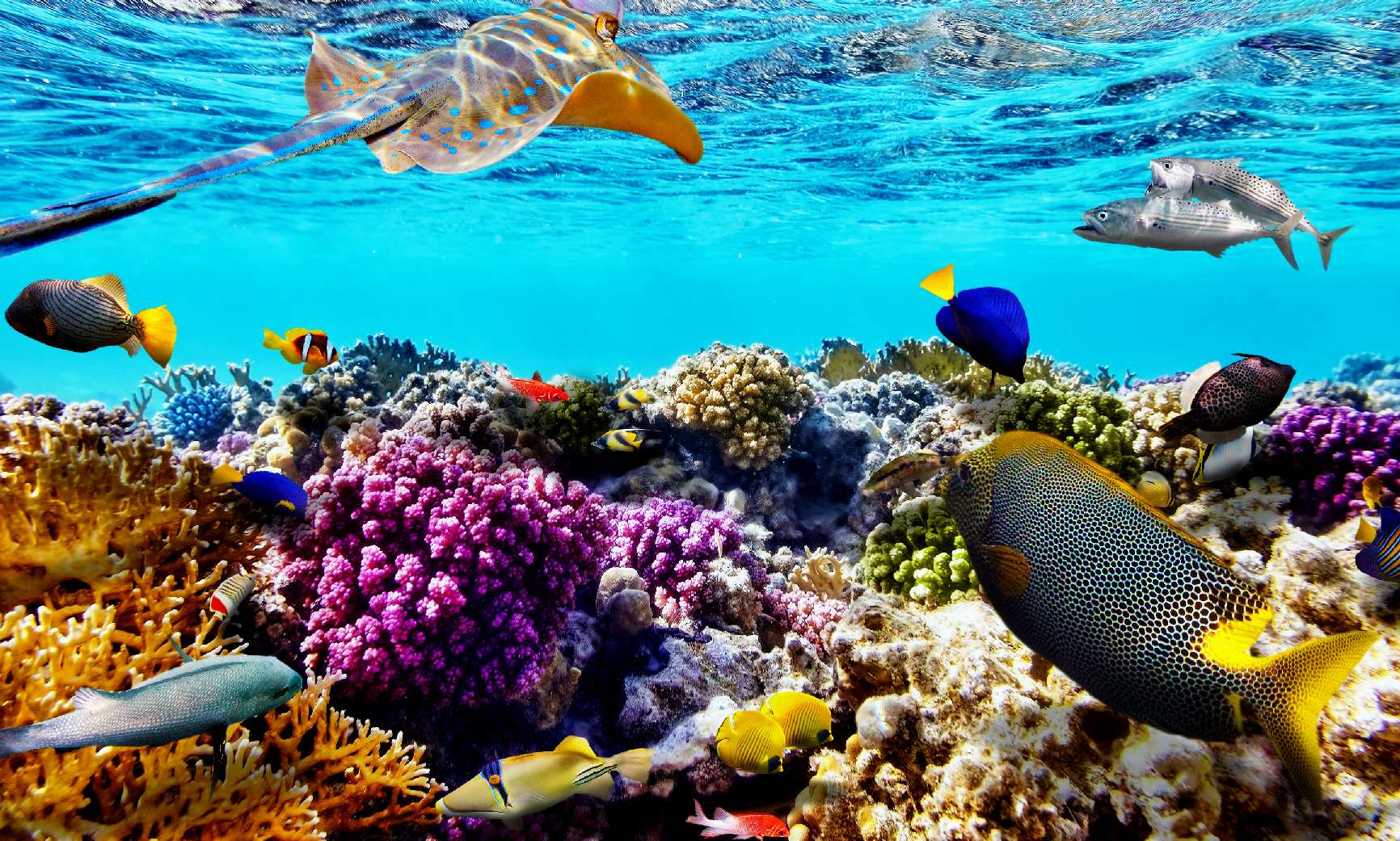
Great Barrier Reef: Life Among the World’s Largest Coral System

littlecellist.com – Nestled off the coast of Queensland, Australia, lies one of the most awe-inspiring natural wonders on Earth – the Great Barrier Reef. Spanning over 2,300 kilometers, this underwater marvel is not only the world’s largest coral reef system but also a bustling metropolis teeming with life. It is a place where the vibrant dance of existence plays out in a kaleidoscope of colors, shapes, and sizes, offering a glimpse into the intricate web of life that thrives beneath the ocean’s surface.

The Great Barrier Reef is not just a single, solid reef; it is a complex ecosystem composed of over 2,900 individual reefs and 900 islands. This vast expanse of coral is home to myriad species, many of which are found nowhere else on the planet. The reef’s biodiversity is staggering, with over 1,500 species of fish, 411 types of hard coral, one-third of the world’s soft corals, and countless other organisms, including sponges, sea snails, sea stars, and crabs.

At the heart of this ecosystem are the corals themselves. These tiny marine invertebrates are the architects of the reef, building their skeletons over thousands of years to create the intricate structures that we marvel at today. Corals form symbiotic relationships with algae called zooxanthellae, which live within their tissues. This partnership allows corals to convert sunlight into food through photosynthesis, providing the energy needed to build their calcium carbonate skeletons.

The reef’s diverse topography, from shallow coral cays to deepwater coral forests, supports a variety of habitats that cater to different species’ needs. The shallow waters are perfect for young fish and other marine life to grow and learn, while the deeper areas offer refuge for larger predators. The reef’s complexity also ensures that there is always something new to discover, with many species yet to be documented by science.

Life on the Great Barrier Reef is a delicate balance, with each species playing a crucial role in maintaining the health of the ecosystem. Predators like sharks and rays keep the population of other fish in check, while herbivores such as parrotfish and sea urchins graze on algae, preventing it from overgrowing the coral. The reef’s intricate food web is a testament to the interconnectedness of life, where the survival of one species is often dependent on the well-being of another.

However, the Great Barrier Reef is facing significant challenges. Climate change, pollution, and overfishing are threatening the delicate balance of life on the reef. Coral bleaching, caused by rising sea temperatures, has led to the loss of vibrant coral colors and, in severe cases, the death of corals. The reef’s resilience is being tested, and conservation efforts are critical to ensure its survival for future generations.

Despite these challenges, there is hope. Scientists, conservationists, and communities are working together to protect and restore the reef. Initiatives such as the Reef 2050 Long-Term Sustainability Plan aim to reduce the impact of human activities and improve water quality. Innovative techniques, including coral farming and gene editing, are being explored to help corals adapt to changing conditions.

The Great Barrier Reef is more than just a natural wonder; it is a living, breathing entity that has captivated the hearts and minds of people around the world. It is a reminder of the beauty and complexity of life on our planet and the importance of protecting the natural world for the benefit of all. As we continue to learn from and about the Great Barrier Reef, we are reminded of our responsibility to preserve this underwater paradise for generations to come.