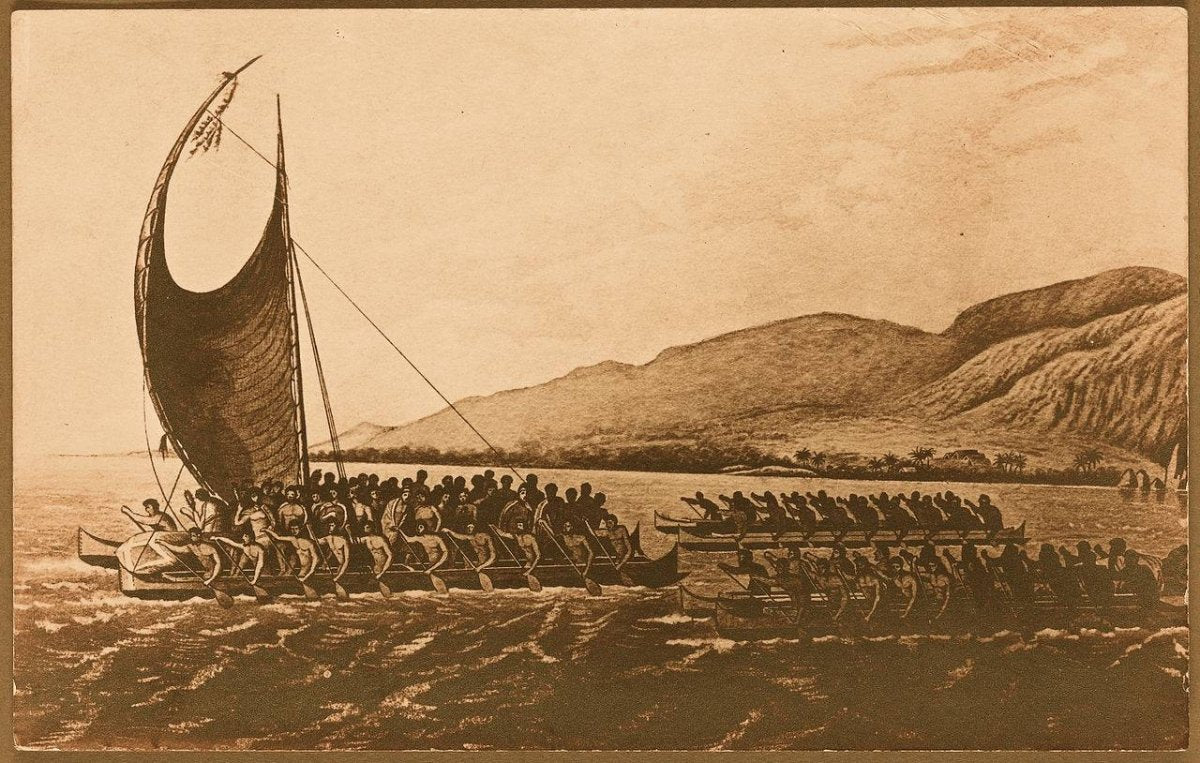
Māori Navigators: Ancient Seafaring Skills – Polynesian

littlecellist.com – The Māori people of Aotearoa (New Zealand) are renowned for their remarkable seafaring skills, which allowed them to navigate vast stretches of the Pacific Ocean long before the arrival of Europeans. These navigational abilities are rooted in a deep knowledge of the stars, ocean currents, weather patterns, and the natural world, and they played a crucial role in the settlement of Aotearoa by the Māori ancestors. Māori navigators, known as tohunga rākau or tohunga whaiao, were skilled in using traditional methods passed down through generations to guide their waka (canoes) across the open sea.

This article explores the ancient seafaring skills of the Māori, their Polynesian roots, and the significance of navigation in Māori culture. It also highlights how these skills have been preserved and revived in modern times, linking Māori navigators to their Polynesian heritage.

The Polynesian Connection

The Māori people are part of the wider Polynesian triangle, which includes the islands of New Zealand, Hawaii, and Easter Island. Polynesians are considered to be among the greatest navigators in the world, and the migration of Māori ancestors from the Society Islands (modern-day French Polynesia) to Aotearoa is part of a long tradition of seafaring and exploration that spans thousands of years.

The ancestors of the Māori are believed to have arrived in New Zealand in canoes from the eastern Pacific, around the 13th century. These voyagers were skilled navigators who used advanced techniques to travel vast distances across the ocean. Their migration patterns were not random; they followed carefully mapped routes based on an intimate understanding of the stars, winds, ocean swells, and the natural environment. This mastery of navigation allowed them to journey from one island to another, linking the Polynesian islands through a network of sea routes.

Traditional Navigation Methods

Māori navigators relied on a combination of environmental cues and oral traditions to guide their voyages. Unlike modern navigators who use instruments like compasses and GPS systems, Māori navigators had no written maps, yet they possessed an extraordinary ability to navigate across thousands of miles of open sea.

Celestial Navigation

One of the primary tools for Māori navigation was the stars. Polynesian navigators, including the Māori, were trained to read the night sky, using constellations, star paths, and the position of the sun to determine their direction. The stars Matariki (the Pleiades), for example, held great significance in Māori culture and served as a guide for seasonal and navigational purposes. Each star and constellation had specific meanings, and the rising and setting of certain stars indicated the time of year and the direction of travel.

Ocean Swells and Winds

Māori navigators also studied ocean swells, winds, and tides. They knew how to read the movement of the waves, which would tell them where they were in relation to the land. By observing the direction of the swells and how they interacted with the coastlines, they could identify their location even when they could not see the land. This knowledge was passed down through generations, allowing voyagers to confidently journey across the Pacific Ocean without the need for visible landmarks.

The Waka and its Role in Navigation

The waka, or canoe, was the primary vessel used by Māori navigators. These canoes were often large, double-hulled boats capable of carrying entire communities, and they were expertly crafted to handle the challenges of open-ocean travel. The design of the waka, its sails, and the skill of the crew were all integral to the success of long voyages. Crew members were responsible for maintaining the ship, steering, and coordinating the navigation based on the instructions of the tohunga or expert navigators.

The waka hourua (double-hulled canoe) was a particularly significant innovation, providing stability and speed on long ocean journeys. This vessel was specifically designed to withstand the turbulent seas of the Pacific and was essential for the successful migration of Polynesian peoples across vast distances.

Māori Oral Traditions and the Passing of Knowledge

The knowledge of navigation was passed down orally from one generation to the next. Māori navigators were taught by experienced mentors, often through stories, songs, and practical voyages. These traditions were deeply embedded in Māori culture, and the ability to navigate was seen as a sacred skill tied to the spiritual realm.

Each tribe or iwi (tribe) would have its own tohunga rākau (expert navigators) who were responsible for training the next generation. The knowledge was not just about physical navigation but also about the spiritual connection to the ancestors and the land. Many of the key navigators, such as Tama-nui-te-ra (the sun), were considered to have divine or semi-divine status, and their journey was seen as both a physical and spiritual quest.

One of the most famous Māori navigators was Rākaihautū, an ancestor of the Ngāi Tahu iwi, who is said to have led the first Māori voyaging expedition to Aotearoa. His journeys are recounted in numerous Māori myths and stories, preserving the tradition of Māori navigation for future generations.

The Decline of Traditional Navigation and the Revival

With the arrival of European settlers and the introduction of modern technology, the traditional skills of Māori navigation began to fade. The use of European-style ships, maps, and compasses reduced the reliance on traditional methods. Additionally, the colonization of New Zealand and the suppression of Māori culture and language contributed to a decline in the transmission of traditional navigation knowledge.

However, in recent decades, there has been a resurgence of interest in Māori and Polynesian navigation, as Māori communities work to reclaim and revitalize their cultural heritage. This revival has been facilitated by a growing movement to reconnect with ancestral knowledge and practices. Modern Māori navigators, like those involved in the Hōkūle‘a and Te Aurere voyaging projects, have sought to revive traditional methods by retraining in celestial navigation, ocean swells, and other key aspects of Māori navigation.

The successful voyages of the Te Aurere, a traditional Māori waka, in the 1990s and early 2000s demonstrated that traditional Māori navigation techniques could still be applied successfully in modern times. These efforts not only serve to preserve Māori cultural practices but also reinforce the deep spiritual and historical connections between Māori people and their Polynesian ancestors.

The Significance of Māori Navigation in Contemporary Society

The art of Māori navigation is not just a historical curiosity—it has deep relevance in today’s world. The revival of these ancient skills is an important step toward the cultural revitalization of Māori people, allowing them to reconnect with their ancestral roots and take pride in their heritage. The skills involved in traditional navigation also emphasize sustainability and a deep respect for the environment, which are values that resonate strongly with modern environmental movements.

Furthermore, the revival of Māori navigation reinforces the concept of whakapapa (genealogy), the interconnectedness of all things, and the ability to understand and respect the natural world. By returning to these ancient practices, Māori navigators are asserting their autonomy, sovereignty, and resilience, reinforcing their ongoing relationship with the land and the sea.

Conclusion

Māori navigators were among the most skilled seafarers in the world, and their traditional navigation methods are a testament to the ingenuity, resilience, and spiritual connection of the Māori people. These ancient seafaring skills, rooted in the Polynesian connection, allowed Māori ancestors to journey across vast distances, forging links between islands and creating a lasting cultural legacy. As the revival of traditional navigation continues in modern times, Māori navigators are not only reconnecting with their past but also ensuring that these sacred skills are passed on to future generations, keeping the spirit of Polynesian exploration alive for centuries to come.

Barinas: A Llanero Heartland – Vast Plains and Rich Culture

littlecellist.com – Barinas, a state located in western Venezuela, is renowned for its expansive plains, known as the Llanos. This region, characterized by its savannas and seasonal flooding, has shaped the lives of its people and the landscape itself. The state is famous for its cattle ranching tradition, its vibrant cultural heritage, and its diverse ecosystems.   

Llanero Culture and Tradition

The Llaneros, the cowboys of the Venezuelan plains, are a proud and resilient people. Their culture is deeply rooted in the land, and their traditions are passed down through generations. The Joropo, a lively folk dance and music genre, is a central part of Llanero culture, often accompanied by the sounds of the cuatro and the harp.   

Natural Beauty and Biodiversity

Barinas boasts a diverse range of ecosystems, from the vast savannas to the dense forests along the Orinoco River. The state is home to a variety of wildlife, including capybaras, jaguars, and a diverse birdlife. The Orinoco River, one of the world’s largest rivers, flows through Apure, providing vital resources and shaping the region’s ecology.

Historical Significance

Barinas has a rich history, dating back to the colonial era. The state played a significant role in Venezuela’s independence movement, and many historical sites and monuments can be found throughout the region.

Challenges and Opportunities

Despite its natural beauty and cultural richness, Barinas faces several challenges, including poverty, unemployment, and environmental degradation. The state’s economy is heavily reliant on agriculture and livestock, which can be vulnerable to climate change and economic fluctuations. However, Barinas also offers significant opportunities for sustainable development, particularly in ecotourism and renewable energy.

A Glimpse into the Future

As Venezuela continues to navigate complex political and economic challenges, Barinas’ future remains uncertain. However, the state’s resilient people and its vast natural resources offer hope for a brighter future. By investing in education, infrastructure, and sustainable development, Barinas can overcome its challenges and contribute to the growth and prosperity of Venezuela.

Cumbal Volcano: A Smoking Giant on the Border

littlecellist.com – Cumbal Volcano, a stratovolcano located in southwestern Colombia near the border with Ecuador, is a striking geological feature that has shaped the landscape for millennia. Its imposing presence, coupled with its active volcanic nature, makes it a fascinating subject for scientists and adventurers alike.   

A Volcanic History

Cumbal Volcano has a long history of eruptions, with records dating back to the 16th century. The volcano is composed of several overlapping cones, each with its own distinct volcanic history. The most recent significant eruption occurred in 1987, when it spewed ash and lava, causing widespread damage and forcing the evacuation of nearby communities.

Despite the risks associated with volcanic activity, Cumbal Volcano continues to attract visitors. Its dramatic landscape, with its rugged peaks and colorful volcanic deposits, offers stunning views and unique opportunities for outdoor enthusiasts.

A Biodiversity Hotspot

The area surrounding Cumbal Volcano is a biodiversity hotspot, home to a diverse range of plant and animal species. The páramo ecosystem, found at high altitudes, is particularly rich in endemic flora and fauna. The volcano’s volcanic soils provide fertile ground for a variety of crops, supporting the livelihoods of local communities.

However, the impact of volcanic activity and human activities, such as deforestation and mining, poses a threat to the delicate balance of this ecosystem. Conservation efforts are underway to protect the region’s biodiversity and mitigate the risks associated with volcanic eruptions.

A Geological Marvel

Cumbal Volcano is a fascinating geological feature that offers valuable insights into the Earth’s dynamic processes. Scientists study the volcano’s activity to better understand volcanic eruptions and to develop early warning systems. The volcano’s unique geological formations, such as lava flows and volcanic craters, provide opportunities for research and education.

Ocho Rios: Jamaica’s Adventure Capital

littlecellist.com – Ocho Rios, a picturesque coastal town on Jamaica’s north coast, is a popular tourist destination renowned for its stunning natural beauty, thrilling adventures, and vibrant culture. With its lush rainforests, cascading waterfalls, and pristine beaches, Ocho Rios offers a perfect blend of relaxation and excitement.

A Natural Paradise

Ocho Rios is a haven for nature lovers. One of the town’s most iconic attractions is Dunn’s River Falls, a series of cascading waterfalls that visitors can climb to the top. The experience of climbing the falls, with the cool water rushing over you, is an unforgettable adventure.

Another popular natural attraction is the Blue Hole, a natural swimming pool surrounded by lush vegetation. Visitors can jump off cliffs into the crystal-clear water or simply relax and soak up the serene atmosphere.

A Thrilling Adventure

Ocho Rios is also a hub for adventure enthusiasts. Rafting on the White River is a thrilling experience, with exciting rapids and stunning scenery. For those seeking a more leisurely adventure, kayaking through the calm waters of the Luminous Lagoon is a magical experience. The bioluminescent microorganisms in the water create a breathtaking spectacle of glowing blue light.

A Cultural Experience

Ocho Rios offers a glimpse into Jamaica’s rich culture and history. The town’s vibrant markets are a great place to shop for local crafts, souvenirs, and fresh produce. Visitors can also explore the nearby town of Port Maria, known for its historic buildings and beautiful beaches.

A Culinary Delight

Ocho Rios boasts a diverse culinary scene, with a variety of restaurants offering everything from traditional Jamaican cuisine to international fare. Visitors can savor delicious jerk chicken, oxtail, and other local specialties. The town’s vibrant nightlife scene offers a variety of bars and clubs, perfect for enjoying cocktails and live music.

Ocho Rios is a captivating destination that offers a unique blend of natural beauty, adventure, and culture. Whether you’re seeking relaxation, excitement, or cultural immersion, Ocho Rios has something to offer.

La Pampa: A Vast, Windswept Plain – A Land of Endless Horizons

littlecellist.com – La Pampa, a province located in central Argentina, is a vast, windswept plain characterized by its open landscapes and fertile soil. This sparsely populated province is a land of contrasts, where modern agriculture meets traditional ranching practices.

The Pampas: A Natural Wonder

The Pampas, a vast, fertile plain that stretches across much of the province, is the agricultural heartland of Argentina. The region is renowned for its production of wheat, corn, and soybeans. The province’s fertile soil and temperate climate create ideal conditions for agriculture.

A Cultural Tapestry

La Pampa’s cultural heritage is a fascinating blend of indigenous and European influences. The province is home to several indigenous communities, including the Mapuche and Tehuelche, who have a deep connection to the land. The influence of Spanish colonization is evident in the province’s architecture, music, and cuisine.

A Gastronomic Delight

La Pampa’s cuisine is a delicious fusion of indigenous and European flavors. The province is famous for its asado, a traditional Argentine barbecue, which typically features grilled beef, lamb, or pork. Other popular dishes include empanadas, locro, and dulce de leche. The province is also known for its excellent wines, particularly those produced in the Patagonia region.

A Sustainable Future

La Pampa is committed to sustainable development and environmental conservation. The province has implemented initiatives to protect its natural resources and promote sustainable agriculture. By preserving its fertile soil and water resources, La Pampa aims to ensure a sustainable future for generations to come.

A Tranquil Retreat

La Pampa, with its vast, open landscapes and peaceful atmosphere, is an ideal destination for those seeking a tranquil retreat. The province offers opportunities for birdwatching, hiking, and horseback riding. The small towns and villages that dot the landscape provide a glimpse into rural Argentine life.

A Hidden Gem

La Pampa, with its vast, open landscapes, rich cultural heritage, and warm hospitality, is a hidden gem waiting to be discovered. Whether you are seeking adventure, relaxation, or cultural immersion, La Pampa offers a unique and unforgettable experience.

Lisbon: A City of Contrasts and Charm – A Glimpse into History

littlecellist.com – Lisbon, the vibrant capital of Portugal, is a captivating city that seamlessly blends history, culture, and modernity. With its picturesque neighborhoods, stunning architecture, and delicious cuisine, Lisbon offers a unique and unforgettable experience.

A Glimpse into History

Lisbon’s history dates back to Roman times, when it was known as Olisipo. The city’s strategic location on the Tagus River has made it a significant player throughout the centuries. During the Age of Discovery, Lisbon became one of the most important maritime cities in the world, connecting Europe to Africa, Asia, and the Americas.

Exploring Lisbon’s Historical Treasures

  • Belém Tower: This UNESCO World Heritage Site is a stunning example of Manueline architecture, a unique style that flourished in Portugal during the Age of Discovery. The tower offers panoramic views of the Tagus River and the city.
  • Jerónimos Monastery: Another UNESCO World Heritage Site, this magnificent monastery is a masterpiece of Manueline architecture. Its ornate cloisters, beautiful church, and peaceful gardens are a must-see.
  • São Jorge Castle: Perched on a hilltop, this medieval castle offers stunning panoramic views of the city. Its fortified walls, historic buildings, and lush gardens provide a glimpse into Lisbon’s past.
  • Alfama District: This historic neighborhood is a labyrinth of narrow, winding streets, colorful houses, and traditional fado houses. It’s a great place to experience Lisbon’s authentic charm.

The Modern Side of Lisbon

  • Bairro Alto: This trendy neighborhood is known for its vibrant nightlife, with numerous bars, clubs, and restaurants. It’s a great place to experience Lisbon’s modern side.
  • Chiado: This elegant neighborhood is a popular shopping destination, with a variety of high-end boutiques, bookstores, and cafes.
  • Parque das Nações: This modern district, built for the 1998 World Expo, is a popular destination for families and tourists. It features a beautiful park, a modern shopping mall, and the Oceanário de Lisboa, one of the largest aquariums in Europe.

The Taste of Lisbon

Lisbon’s cuisine is a delicious blend of fresh seafood, grilled meats, and hearty stews. Be sure to try local specialties like bacalhau à Brás (a codfish dish), pastéis de nata (custard tarts), and bifana (a pork sandwich). Pair your meal with a glass of Portuguese wine, renowned for its quality and diversity.

A Cultural Experience

Lisbon hosts a variety of cultural events throughout the year, including music festivals, art exhibitions, and traditional fairs. The city’s annual festival, the Festa de Lisboa, is a highlight of the cultural calendar, featuring colorful parades, music, and fireworks.

Călărași: A Quiet Charm on the Danube

littlecellist.com – Călărași, a county in southeastern Romania, offers a unique blend of history, culture, and natural beauty. While often overshadowed by the more popular tourist destinations, Călărași has a quiet charm and a rich heritage that is waiting to be discovered.

A Glimpse into History

Călărași’s history is intertwined with the Danube River, which has shaped the region’s development for centuries. The county’s strategic location on the river has made it an important trading center throughout history.   

One of the most significant historical landmarks in Călărași is the Borcea Arm, a branch of the Danube River that flows through the county. This waterway has played a crucial role in the region’s economy and culture.

Natural Beauty

Călărași County is blessed with stunning natural landscapes, including the Danube Delta Biosphere Reserve, a UNESCO World Heritage Site. This vast wetland ecosystem is home to a diverse range of flora and fauna, including rare bird species and aquatic life. Visitors can explore the delta by boat, birdwatching, and fishing.   

The county also boasts picturesque villages, fertile plains, and serene lakes. The Borcea Arm offers opportunities for water sports, such as kayaking and canoeing.

Cultural Experiences

Călărași’s cultural heritage is deeply rooted in Romanian traditions. The county’s folk music, dance, and traditional crafts are still alive and well. Visitors can experience the local culture by attending traditional festivals and visiting local markets.

The city of Călărași, the county capital, offers a glimpse into the region’s past. The city’s historic center, with its charming old buildings and narrow streets, is a popular destination for tourists.

A Peaceful Retreat

Călărași offers a peaceful and relaxing atmosphere, away from the hustle and bustle of the big city. The county’s quiet charm and natural beauty make it an ideal destination for those seeking a tranquil getaway.

In conclusion, Călărași is a hidden gem in southeastern Romania, offering a unique blend of history, culture, and natural beauty. Whether you’re interested in exploring the Danube Delta, immersing yourself in local culture, or simply enjoying a peaceful retreat, Călărași has something to offer everyone.

Constitution Day: A Pillar of Polish History

littlecellist.com – Constitution Day, celebrated annually on May 3rd, commemorates the adoption of the Constitution of May 3, 1791. This historic document, one of the first modern constitutions in Europe, marked a significant milestone in the history of Poland and the world.

A Bold Step Towards Modernity

The Constitution of May 3rd was a revolutionary document for its time. It introduced a number of progressive reforms, including:

  • A Limited Monarchy: The constitution established a constitutional monarchy, limiting the power of the king and granting more rights to the nobility.
  • A Representative Government: It introduced a two-chamber parliament, the Sejm, which was elected by the nobility.
  • Equal Rights for All Citizens: The constitution promoted the principle of equality before the law, regardless of social status.
  • Economic Reforms: It implemented economic reforms to modernize the country and stimulate trade.

A Symbol of Polish Patriotism

The Constitution of May 3rd was a bold attempt to modernize Poland and strengthen its position in Europe. However, it was ultimately unsuccessful, as it was overturned by a coalition of foreign powers.

Despite its short-lived existence, the Constitution of May 3rd has become a symbol of Polish patriotism and a source of national pride. It is seen as a testament to the Polish people’s aspirations for freedom, democracy, and sovereignty.

Celebrating Constitution Day

Constitution Day is celebrated with various events and activities throughout Poland. People gather to honor the legacy of the Constitution of May 3rd and to reflect on its enduring significance. Some common celebrations include:

  • Military Parades: Impressive military parades showcase the strength and discipline of the Polish Armed Forces.
  • Civic Ceremonies: Patriotic ceremonies are held in public squares and historical sites, featuring speeches, music, and flag-raising ceremonies.
  • Cultural Events: Concerts, theater performances, and art exhibitions celebrate Polish culture and history.
  • Educational Programs: Schools and universities organize educational programs to teach young people about the Constitution of May 3rd and its impact on Polish history.

Constitution Day is a reminder of Poland’s rich history and its ongoing struggle for independence and democracy. By commemorating this historic event, Poland honors its past and inspires future generations.

Mayotte: A Tropical Paradise in the Indian Ocean

littlecellist.com – Mayotte, an overseas department of France, is a stunning island located in the Mozambique Channel, off the coast of East Africa. Known for its pristine beaches, lush rainforests, and vibrant coral reefs, Mayotte offers a unique blend of French and African cultures.

A Natural Paradise

Mayotte’s natural beauty is breathtaking. The island is characterized by its volcanic peaks, lush valleys, and crystal-clear lagoons. The underwater world is equally impressive, with vibrant coral reefs teeming with marine life.

  • Mount Bénara: The highest peak on the island, offering panoramic views of the surrounding landscape.
  • Sada Lagoon: A protected marine reserve, perfect for snorkeling, diving, and kayaking.
  • The Beaches of Petite-Terre: These pristine beaches are ideal for sunbathing, swimming, and water sports.

A Cultural Melting Pot

Mayotte’s culture is a fascinating blend of African, Arab, and French influences. The island’s traditional music, dance, and cuisine reflect this rich cultural heritage. The local market, known as the M’tsapéré market, is a great place to experience the vibrant culture and taste the delicious local cuisine.

Outdoor Adventures

Mayotte offers a wide range of outdoor activities for adventure seekers. Hiking, trekking, and climbing are popular activities in the island’s mountainous interior. The island’s rivers and waterfalls offer opportunities for white-water rafting, canyoning, and swimming.

A Sustainable Paradise

Mayotte is committed to sustainable tourism and environmental protection. The island has implemented various initiatives to preserve its natural beauty and cultural heritage. Visitors are encouraged to respect the environment and support local businesses.

Conclusion

Mayotte is a hidden gem in the Indian Ocean. Its pristine beaches, lush rainforests, and vibrant culture make it a unique and unforgettable destination. Whether you’re seeking adventure, relaxation, or cultural immersion, Mayotte has something to offer everyone.

Rendang: Spicy Meat Dish Slow-Cooked in Coconut Milk & Spices

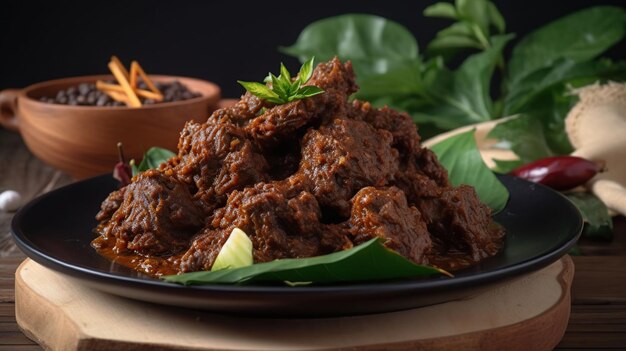
littlecellist.com – Rendang is a classic dish that hails from the Minangkabau ethnic group of Indonesia, particularly from West Sumatra. Renowned for its rich flavors and tender texture, rendang has gained international acclaim and is now enjoyed in many parts of the world. This article delves into the history, preparation, and cultural significance of this iconic dish.

History and Cultural Significance

Originally from Indonesia, rendang is not just a meal; it is a part of the cultural fabric of the Minangkabau people. Traditionally, rendang was prepared for ceremonial occasions and gatherings, symbolizing the community’s generosity and hospitality. Over time, rendang spread to neighboring countries such as Malaysia, Singapore, and Thailand, each adapting the dish to local tastes while retaining its essence.

Ingredients and Preparation

Rendang is typically made with beef, though chicken, lamb, and even jackfruit versions exist. The dish’s distinctive flavor comes from the slow cooking process, which melds the meat with a complex blend of spices, including lemongrass, galangal, garlic, turmeric, ginger, and chilies. The key ingredient, however, is coconut milk, which imparts a rich, creamy texture to the dish.

The preparation of rendang is labor-intensive and time-consuming, often taking several hours to cook. The dish is simmered over low heat, allowing the flavors to develop and the liquid to evaporate, resulting in a thick, flavorful sauce that coats the meat. This slow-cooking method not only tenderizes the meat but also enhances the depth of flavor, making rendang a truly memorable culinary experience.

Variations and Adaptations

While the traditional beef rendang remains popular, various adaptations have emerged. In Malaysia, for example, rendang tok is a version that is drier and often darker due to the use of additional spices. In Thailand, rendang may be infused with local herbs and spices, creating a unique variation that caters to Thai palates.

Additionally, vegetarian rendang options have gained popularity, using ingredients like jackfruit or tofu as substitutes for meat. These adaptations allow more people to enjoy the rich flavors of rendang, regardless of dietary preferences.

Enjoying Rendang

Rendang is typically served with steamed rice, but it can also be accompanied by nasi lemak (coconut rice) or ketupat (rice cakes). Its versatility makes it suitable for both everyday meals and special occasions, where it often takes center stage.

In conclusion, rendang is a dish that embodies the essence of Indonesian cuisine: rich in flavor, steeped in tradition, and celebrated across cultures. Its intricate preparation process and bold taste make it a standout dish that continues to captivate food lovers worldwide.

History of Vanuatu: European Exploration – Colonial Era

littlecellist.com – The history of Vanuatu begins with the arrival of the Lapita people around 3,000 years ago. These early settlers are known for their distinct pottery and seafaring skills, marking the beginnings of human habitation on the islands.

European Exploration

The first European contact with Vanuatu occurred in the early 17th century. Spanish explorer Pedro Fernández de Quirós arrived in 1606, claiming the islands for Spain. Later, in 1774, Captain James Cook named the islands the New Hebrides, drawing interest from other European powers.

Colonial Era

In the late 19th century, both Britain and France established a presence in Vanuatu, leading to a unique colonial arrangement called the Anglo-French Condominium, which was formalized in 1906. This joint administration created a complex political landscape, with both nations exerting control over the islands.

Path to Independence

Vanuatu’s path to independence was shaped by growing nationalistic Slot Spaceman movements in the mid-20th century. The push for self-governance gained momentum in the 1970s, leading to the establishment of political parties advocating for independence. On July 30, 1980, Vanuatu became an independent republic, joining the Commonwealth of Nations.

Post-Independence

Since gaining independence, Vanuatu has developed a unique identity, balancing traditional customs with modern governance. The nation has focused on economic development, tourism, and maintaining its cultural heritage. Despite challenges such as natural disasters and economic pressures, Vanuatu remains a vibrant and resilient nation in the South Pacific.

Conclusion

The history of Vanuatu is a rich tapestry of indigenous cultures, colonial influences, and the quest for self-determination. From its early settlement by the Lapita people to its modern status as an independent nation, Vanuatu’s history reflects its resilience and diversity, offering a fascinating glimpse into the past and present of this Pacific island nation.

Tradisi Jepang: Shinto dan Budaya Zen

littlecellist – Shinto, yang secara harfiah berarti “jalan para dewa” (神道, Shintō), adalah agama asli Jepang yang telah ada sejak zaman kuno. Shinto merupakan campuran dari animisme dan dinamisme, yaitu kepercayaan pada kekuatan benda, alam, atau spirit. Para praktisi Shinto sering menganggapnya sebagai agama alam dan agama asli Jepang.

Shinto memiliki keyakinan pada ‘kami’ (神, kami), yang merupakan dewa atau roh yang dapat berupa makhluk, tempat, atau fenomena alam. Ritual-ritual Shinto sering kali melibatkan pemujaan terhadap alam dan upacara-upacara yang bertujuan untuk mendapatkan keberkahan dan melindungi diri dari hal-hal buruk. Salah satu ritual yang paling dikenal adalah ‘misogi’, yaitu ritual membersihkan diri dengan air suci.

Shinto memiliki pengaruh yang kuat pada kehidupan sehari-hari masyarakat Jepang. Banyak tempat-tempat suci Shinto, seperti ‘jinja’ (神社, kuil Shinto), tersebar di seluruh Jepang dan sering dikunjungi oleh masyarakat untuk berdoa dan berpartisipasi dalam ritual. Selain itu, banyak festival tradisional Jepang yang memiliki akar dari Shinto, seperti ‘Matsuri’ (祭り, festival).

Zen adalah salah satu aliran dari Buddhisme yang sangat populer di Jepang. Zen berasal dari India dan menyebar ke Cina sebelum akhirnya tiba di Jepang pada abad ke-12. Zen menekankan pada praktik meditasi (打坐, dazuo) dan pencapaian keadaan ketenangan pikiran melalui introspeksi dan pengamatan diri.

Praktik meditasi Zen melibatkan duduk dalam posisi tertentu dan fokus pada pernapasan atau mantra tertentu. Tujuan utama dari meditasi Zen adalah untuk mencapai keadaan ketenangan pikiran yang disebut ‘satori’ (悟り, pemahaman mendalam), di mana individu dapat melihat kebenaran yang lebih dalam dan mendapatkan pemahaman yang lebih mendalam tentang diri sendiri dan alam semesta.

Budaya Zen memiliki pengaruh yang signifikan pada berbagai aspek seni dan budaya Jepang. Misalnya, taman Zen (禅庭, Zen garden) adalah contoh nyata dari bagaimana filosofi Zen diterapkan dalam seni taman. Taman Zen dirancang untuk menciptakan suasana tenang dan reflektif, yang sesuai dengan prinsip-prinsip Zen.

Meskipun Shinto dan Zen memiliki asal-usul dan prinsip yang berbeda, keduanya memiliki interaksi yang signifikan dalam kehidupan masyarakat Jepang. Banyak kuil Shinto memiliki area meditasi Zen, dan sebaliknya, beberapa monastere Zen memiliki elemen-elemen Shinto. Hal ini menunjukkan bahwa kedua tradisi ini saling melengkapi dan sering kali digabungkan dalam praktik spiritual Jepang.

Shinto dan Zen adalah dua tradisi yang sangat penting dalam budaya slot server jepang. Shinto sebagai agama asli Jepang menekankan pada pemujaan alam dan ritual-ritual yang bertujuan untuk mendapatkan keberkahan, sedangkan Zen menekankan pada meditasi dan pencapaian ketenangan pikiran. Kedua tradisi ini memiliki pengaruh yang signifikan pada kehidupan sehari-hari masyarakat Jepang dan terus menjadi bagian penting dari identitas budaya Jepang.

Bohemian Bliss: Discovering the Charms of the Czech Republic

littlecellist.com – Nestled in the heart of Europe, the Czech Republic is a country of enchanting landscapes, fairy-tale architecture, and a rich tapestry of history and culture. Known for its vibrant cities and idyllic countryside, the Czech Republic offers a delightful blend of old-world charm and contemporary allure. From its medieval castles to its lively arts scene, this Central European gem invites travelers to experience the essence of Bohemian bliss.

Enchanting Landscapes

The Czech Republic is blessed with a diverse and picturesque landscape. The rolling hills and dense forests of Bohemia provide a serene escape into nature, while the dramatic rock formations of Český ráj (Bohemian Paradise) offer breathtaking vistas for hikers and climbers. The tranquil vineyards of Moravia and the pristine waters of Lipno Lake highlight the country’s natural beauty, inviting visitors to explore and unwind.

Cultural Richness

Czech culture is a vibrant fusion of traditional and modern influences. The capital city, Prague, is a cultural hub, renowned for its stunning architecture, including the iconic Charles Bridge and the Gothic splendor of St. Vitus Cathedral. The city’s lively arts scene features world-class theaters, galleries, and music festivals, celebrating both classical and contemporary creativity. Beyond Prague, the charming towns of Český Krumlov and Kutná Hora showcase the country’s rich heritage and artistic flair.

Historical Splendor

The Czech Republic’s history is a tapestry of royal dynasties, religious reformers, and revolutionary movements. The country’s many castles and chateaux, such as Karlštejn and Hluboká, stand as testaments to its storied past. The UNESCO-listed city of Telč, with its Renaissance and Baroque architecture, offers a glimpse into the country’s architectural evolution. The historic significance of the Czech Republic is further underscored by its role in the Velvet Revolution and its vibrant tradition of political thought.

Conclusion

The Czech Republic’s Bohemian bliss lies in its ability to captivate and inspire. Whether wandering through the cobblestone streets of Prague, exploring the ancient forests of Bohemia, or savoring the local cuisine and world-renowned Czech beer, visitors are embraced by the country’s warmth and charm. With its rich history, cultural vibrancy, and stunning landscapes, the Czech Republic offers a truly unforgettable experience for those seeking to immerse themselves in the heart of Europe.

Eksplorasi Pasar Tradisional Kamboja: Surga Belanja di Phnom Penh

littlecellist Phnom Penh, Kamboja – Kamboja, negara yang kaya akan budaya dan sejarah, menawarkan lebih dari sekadar situs bersejarah dan pemandangan alam yang menakjubkan. Di ibukota Phnom Penh, para wisatawan dapat menemukan surga belanja yang tersembunyi di pasar-pasar tradisional yang memikat.

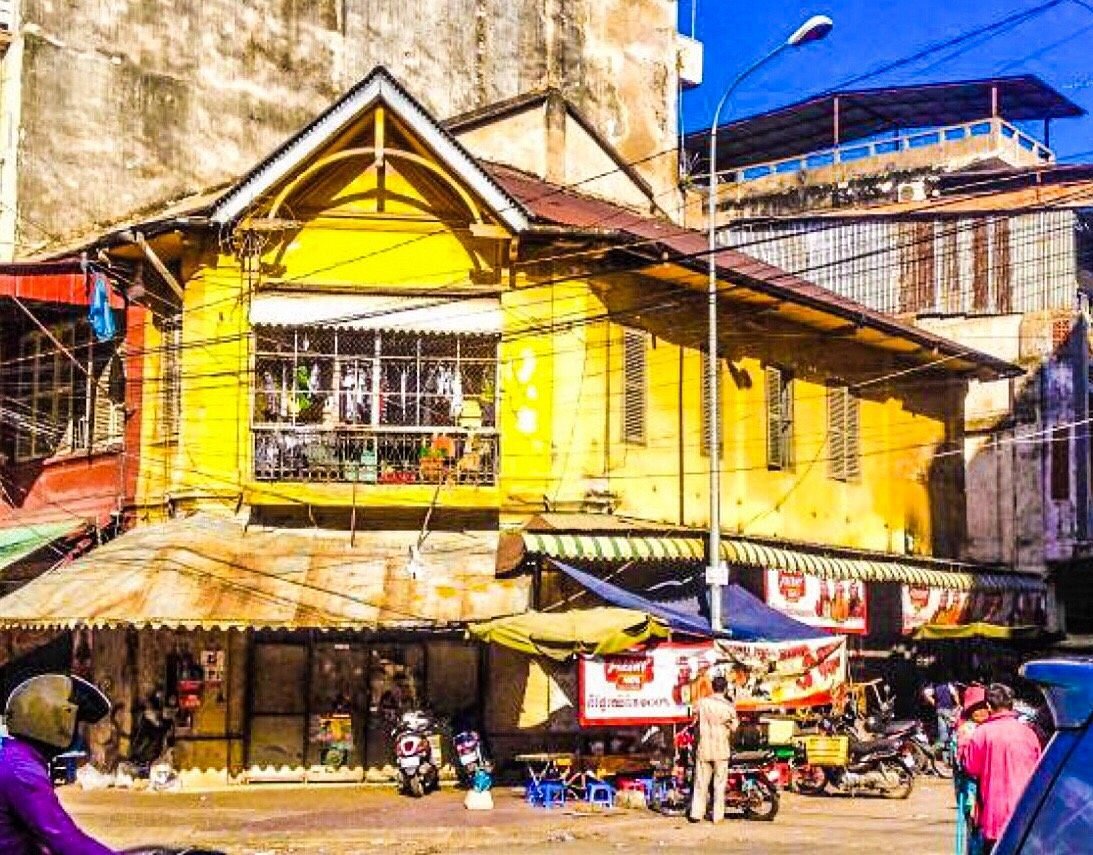
Pasar tradisional di Phnom Penh, seperti Pasar Sentral (Phsar Thmei) dan Pasar Kandal, menawarkan pengalaman berbelanja yang berbeda dibandingkan dengan pusat perbelanjaan modern. Di sini, pengunjung dapat merasakan kehidupan sehari-hari penduduk lokal sambil menjelajahi beragam barang yang dijual. Dari kerajinan tangan, pakaian, hingga makanan lokal, pasar-pasar ini memiliki segalanya.

Pasar Sentral, dengan arsitektur Art Deco yang ikonik, merupakan salah satu yang paling terkenal. Dibangun pada tahun 1937, pasar ini menjadi pusat perdagangan yang ramai, di mana pengunjung dapat menemukan barang-barang antik, perhiasan, dan kain tradisional Kamboja. Suasana di pasar ini selalu hidup, dengan pedagang yang ramah menawarkan barang dagangan mereka kepada pengunjung.

Eksplorasi Pasar Tradisional Kamboja: Surga Belanja di Phnom Penh

Salah satu daya tarik utama pasar tradisional adalah makanan khas Kamboja yang menggoda selera. Pengunjung dapat mencicipi berbagai hidangan lokal, seperti amok (ikan kukus dalam santan), bai sach chrouk (nasi dengan daging babi), dan berbagai jenis noodle yang disajikan dengan kuah kaldu. Para pedagang makanan di pasar ini biasanya menggunakan resep turun-temurun, menjadikan setiap gigitan penuh dengan cita rasa otentik.

Salah satu tempat yang wajib dikunjungi adalah Pasar Malam Phnom Penh, yang buka setiap malam dan menawarkan pengalaman kuliner yang berbeda. Di sini, pengunjung dapat menemukan berbagai pilihan makanan jalanan, mulai dari sate, lumpia, hingga makanan penutup tradisional. Suasana yang ramai dan hangat membuat pengalaman bersantap menjadi lebih istimewa.

Bagi pengunjung yang mencari oleh-oleh khas, pasar-pasar tradisional Kamboja adalah tempat yang tepat. Beragam kerajinan tangan, seperti lukisan tradisional, keramik, dan tenunan, tersedia untuk dibeli. Banyak pengrajin lokal menjual barang-barang mereka di pasar, memberikan kesempatan kepada wisatawan untuk mendukung ekonomi lokal sekaligus membawa pulang kenangan dari perjalanan mereka.

Eksplorasi Pasar Tradisional Kamboja: Surga Belanja di Phnom Penh

Pasar Kandal, yang terletak di dekat Sungai Mekong, juga terkenal dengan produk-produk lokalnya. Di sini, pengunjung dapat menemukan tas, sandal, dan aksesori yang dibuat dari bahan-bahan alami, serta produk-produk berbasis batik yang mencerminkan budaya Kamboja.

Bagi wisatawan yang ingin menjelajahi pasar tradisional di Phnom Penh, berikut beberapa tips berguna:

  1. Tawar-menawar: Tawar-menawar adalah hal yang umum di pasar, jadi jangan ragu untuk mencoba mendapatkan harga yang lebih baik.
  2. Waktu Terbaik untuk Berkunjung: Pagi hari adalah waktu terbaik untuk mengunjungi pasar, ketika barang-barang masih segar dan suasana lebih tenang.
  3. Bawa Uang Tunai: Sebagian besar pedagang di pasar tidak menerima pembayaran dengan kartu kredit, jadi pastikan untuk membawa uang tunai.
  4. Hati-hati dengan Barang Palsu: Beberapa barang mungkin tidak asli, jadi pastikan untuk memeriksa kualitas sebelum membeli.

Eksplorasi pasar tradisional di Phnom Penh kamboja slot adalah cara yang fantastis untuk merasakan budaya Kamboja secara langsung. Dari makanan lezat hingga kerajinan tangan yang unik, pasar-pasar ini menawarkan pengalaman belanja yang tak terlupakan. Jadi, bagi siapa pun yang merencanakan perjalanan ke Kamboja, jangan lewatkan kesempatan untuk menjelajahi surga belanja ini.

Highest in the Arab World: Qatar’s Human Development Index

littlecellist.com – Qatar has consistently ranked as the highest in the Arab world on the Human Development Index (HDI), a comprehensive measure of a country’s development that encompasses health, education, and standard of living. This achievement underscores Qatar’s significant progress and commitment to human development over the years.

Key Dimensions of the HDI

The HDI, developed by the United Nations Development Programme (UNDP), evaluates countries based on three primary dimensions:

  1. Health: Measured by life expectancy at birth.
  2. Education: Assessed through expected years of schooling for children and mean years of schooling for adults.
  3. Standard of Living: Evaluated using Gross National Income (GNI) per capita, adjusted for purchasing power parity (PPP).

Qatar’s HDI Score

Qatar’s HDI score has been consistently high, reflecting its strong performance across these dimensions. In 2021, Qatar’s HDI score was 0.855, placing it among the very high human development group and ranking 42nd out of 191 countries globally. This score is above the average for countries in the very high human development group, which is 0.896, and significantly higher than the average for countries in the Arab world.

Health

Qatar has made substantial investments in healthcare infrastructure and services, leading to a high life expectancy. The country’s healthcare system is modern and well-equipped, providing comprehensive medical care to its residents. This focus on health has contributed significantly to Qatar’s high HDI score.

Education

Education is another area where Qatar excels. The country has a well-developed education system that emphasizes both primary and higher education. Qatar has invested heavily in educational institutions, including universities and research centers, which has led to high literacy rates and a well-educated population. The expected years of schooling and mean years of schooling for adults are both strong indicators of Qatar’s commitment to education.

Standard of Living

Qatar’s standard of living is among the highest in the world, driven by its rich natural resources, particularly oil and gas. The country’s high Gross National Income (GNI) per capita, adjusted for PPP, reflects its economic prosperity. This wealth has been used to improve living conditions, infrastructure, and public services, contributing to a high quality of life for its residents.

Challenges and Future Prospects

Despite its high HDI score, Qatar faces challenges such as gender inequality and the need for further improvements in environmental sustainability. The country has been working on addressing these issues through various reforms and initiatives aimed at creating a more inclusive and sustainable society.

Conclusion

Qatar’s high Human Development Index score is a testament to its significant achievements in health, education, and standard of living. By maintaining its focus on these key areas, Qatar continues to set a high standard for human development in the Arab world and beyond. As the country continues to invest in its people and infrastructure, it is poised to maintain its position as a leader in human development.

The Rapa Nui People: Indigenous Culture of Easter Island

littlecellist.com – Easter Island, known as Rapa Nui by its indigenous inhabitants, is a remote Polynesian island located in the southeastern Pacific Ocean. The island is famous for its monumental stone statues, known as moai, which are a testament to the rich cultural heritage of the Rapa Nui people. This article delves into the history, language, and cultural practices of the Rapa Nui, providing a comprehensive overview of their unique and fascinating culture.

History and Settlement

The Rapa Nui people are believed to have settled on Easter Island between 300 and 1200 CE, making them the easternmost Polynesian culture. The exact date of their arrival is still a subject of debate among historians and archaeologists. The Rapa Nui are descendants of the original inhabitants of Easter Island, and today, they make up about 60% of the island’s population, with a significant portion also residing in mainland Chile.

Language

The Rapa Nui people primarily speak Spanish, which is the official language of Chile, the country that governs Easter Island. However, the traditional language of the Rapa Nui, also known as Pascuan, is still spoken by a portion of the population. Efforts are being made to preserve and revitalize this ancient language, which is an essential part of their cultural identity.

Cultural Practices

The Moai

The most iconic cultural practice of the Rapa Nui is the creation and veneration of the moai. These massive stone statues, carved from volcanic rock, are believed to represent deified ancestors. The moai were erected along the coastline, facing inland, to watch over the Rapa Nui people. The construction and transportation of these statues required significant resources and labor, reflecting the advanced engineering skills and social organization of the Rapa Nui.

Traditional Festivals

One of the most important cultural events on Easter Island is the Tapati Festival, held annually in February. This festival celebrates the Rapa Nui culture through traditional music, dance, and competitions. Participants engage in various activities, such as body painting and traditional sports, showcasing the vibrant and resilient spirit of the Rapa Nui people.

Environmental Challenges

The Rapa Nui culture faced significant challenges, particularly before the arrival of Europeans in 1722. A common hypothesis suggests that the decline of the Rapa Nui society was due to the over-exploitation of the island’s environment, including deforestation, which led to resource scarcity and social upheaval.

Modern Times

Today, tourism is a crucial part of the Rapa Nui economy. Visitors from around the world come to Easter Island to witness the enigmatic moai and learn about the Rapa Nui culture. This influx of tourists has both positive and negative impacts on the island, providing economic benefits while also posing challenges to the preservation of cultural heritage and the environment.

Conclusion

The Rapa Nui people of Easter Island have a rich and complex history, marked by the creation of monumental stone statues, the preservation of a unique language, and the celebration of traditional festivals. Despite facing significant environmental and social challenges, the Rapa Nui continue to thrive, maintaining their cultural identity and contributing to the global understanding of Polynesian heritage.

Nauru’s Cultural Traditions and Festivals

littlecellist.com – Nauru, a small island nation located in the Central Pacific, is rich in cultural traditions and festivals that reflect its unique heritage and history. Despite its small size, Nauru offers a variety of cultural experiences that attract visitors from around the world.

Cultural Traditions

Language and Religion

Nauru’s official language is English, but the local language, Nauruan, is widely spoken. The majority of the population practices Christianity, with a significant number of Protestants and a smaller number of Catholics.

Traditional Music and Dance

Nauruan music and dance are integral parts of the island’s cultural identity. Traditional dances often tell stories of the island’s history and daily life. These performances are accompanied by music played on traditional instruments, such as drums and stringed instruments.

Cuisine

Nauruan cuisine is influenced by its Polynesian and Micronesian heritage. Traditional dishes include seafood, coconut, and taro. The island’s diet has evolved over time, incorporating elements from other cultures due to its history of colonization and international influences.

Festivals

Independence Day

One of the most significant festivals in Nauru is Independence Day, celebrated on January 31st. This day marks the country’s independence from Australia, New Zealand, and the United Kingdom in 1968. The celebrations include traditional music, dance, and food, providing a vibrant display of Nauruan culture.

Constitution Day

Constitution Day is observed on May 17th, commemorating the adoption of the country’s constitution. This day is marked by various cultural events and ceremonies that highlight the importance of the nation’s governance and democratic values.

Homecoming Day

Homecoming Day, celebrated on October 26th, is a special day for Nauruans who live abroad. It is a time for reunions and celebrations, where families and friends come together to share their experiences and strengthen their bonds.

Christmas

Christmas is a major holiday in Nauru, celebrated on December 25th and 26th. The festivities include church services, family gatherings, and traditional meals. The island’s Christian population plays a significant role in the celebrations, which are marked by joy and community spirit.

Conclusion

Nauru’s cultural traditions and festivals offer a glimpse into the rich heritage and history of this small island nation. From its unique music and dance to its traditional cuisine and significant holidays, Nauru provides a diverse and engaging cultural experience for both locals and visitors alike.

Iceland’s Role in World War II

littlecellist.com – Iceland, a small island nation in the North Atlantic, played a significant but often overlooked role during World War II. Despite its official stance of neutrality, Iceland found itself at the center of strategic importance for both the Allies and the Axis powers. This article explores how Iceland’s unique geographical position and the actions of foreign powers shaped its involvement in the war.

The Early Years of the War

At the outbreak of World War II, Iceland was a sovereign kingdom in personal union with Denmark, with King Christian X as the head of state. Iceland declared its neutrality, hoping to avoid the conflict engulfing Europe. However, the British government, concerned about Germany’s growing interest in the strategically located island, decided to take preemptive action.

British Occupation

On May 10, 1940, British forces invaded Iceland, citing the need to secure the island from potential German occupation. The invasion was swift and largely unopposed, as Iceland had no standing army. The British established a military presence, primarily in Reykjavík, which led to significant social disruption among the Icelandic population.

The Shift to American Occupation

In July 1941, the British handed over the responsibility of Iceland’s defense to the United States. This transition was part of a broader strategic shift, as the U.S. was increasingly involved in the war effort. The American presence in Iceland was substantial, with approximately 4,100 U.S. Marines stationed on the island until early 1942.

Strategic Importance

Iceland’s location made it a crucial base for Allied operations. The island hosted several important airfields, which were vital for the defense of the North Atlantic shipping routes. These airfields were used to stage and support the Arctic convoys that supplied the Soviet Union with war materials, a critical link in the Allied strategy.

The Battle of the Atlantic

Iceland played a pivotal role in the Battle of the Atlantic. The island served as a staging point for convoys heading to the Soviet ports of Murmansk and Arkhangelsk. The presence of Allied forces in Iceland helped protect these convoys from German U-boats and aircraft, ensuring the flow of supplies to the Soviet Union.

Social and Economic Impact

The occupation of Iceland had profound social and economic effects. The influx of foreign troops brought employment opportunities for many Icelanders, particularly in engineering projects such as the construction of Reykjavík Airport. However, the occupation also led to social disruptions, including changes in the local culture and increased crime rates.

Path to Independence

The war years were also a period of political transformation for Iceland. In 1944, Iceland declared its independence from Denmark, ending the personal union and establishing itself as a republic. This move was partly influenced by the war, as the occupation had weakened the ties with Denmark and highlighted Iceland’s need for self-determination.

Conclusion

Iceland’s role in World War II was multifaceted, encompassing strategic military importance, social and economic changes, and a path to independence. Despite its neutral stance, Iceland became a critical player in the Allied war effort, contributing to the ultimate victory against the Axis powers. The war years left a lasting legacy on the island, shaping its modern identity and international relations.

The Impact of Climate Change on Australia’s Environment

littlecellist.com – Climate change is a global phenomenon with profound implications for Australia’s unique and diverse environment. The effects of climate change are already being felt across the country, from its vast outback to its vibrant coastal cities. Understanding these impacts is crucial for developing effective mitigation and adaptation strategies.

Rising Temperatures and Extreme Weather Events

  1. Increased Frequency and Severity of Heatwaves: Australia has experienced a significant increase in the frequency and severity of heatwaves. These extreme heat events can lead to heat stress in both humans and wildlife, impacting health and biodiversity .
  2. More Intense and Frequent Bushfires: Climate change has contributed to longer and more intense bushfire seasons. The devastating bushfires of 2019-2020 are a stark example of how climate change can exacerbate natural disasters, leading to widespread environmental destruction and loss of life .

Sea Level Rise and Coastal Erosion

  1. Threats to Coastal Ecosystems: Rising sea levels pose a significant threat to Australia’s coastal ecosystems, including mangroves, coral reefs, and beaches. These ecosystems are vital for biodiversity and provide numerous economic and recreational benefits .
  2. Infrastructure at Risk: Coastal infrastructure, such as homes, roads, and ports, is at risk from sea level rise and increased storm surges. This poses a significant economic challenge and requires proactive adaptation measures to prevent disastrous consequences .

Impact on Biodiversity and Ecosystems

  1. Threats to Endemic Species: Australia is home to many unique and endemic species, many of which are highly vulnerable to the impacts of climate change. Changes in temperature and rainfall patterns can disrupt ecosystems, leading to habitat loss and increased extinction risks .
  2. Altered Ecosystem Dynamics: Climate change can alter the timing of biological events, such as flowering and breeding, leading to mismatches in ecosystem dynamics. This can disrupt food chains and affect the resilience of ecosystems to other stressors .

Water Scarcity and Drought

  1. Increased Drought Frequency: Australia’s already arid climate is becoming even drier in many regions due to climate change. This increased frequency and severity of droughts can lead to water scarcity, impacting agriculture, urban water supplies, and natural ecosystems .
  2. Agricultural Challenges: The agricultural sector, a cornerstone of Australia’s economy, is particularly vulnerable to water scarcity. Reduced water availability can lead to decreased crop yields and livestock productivity, affecting food security and rural communities .

Mitigation and Adaptation Strategies

  1. Renewable Energy Adoption: Transitioning to renewable energy sources is crucial for reducing greenhouse gas emissions and mitigating climate change. Australia has significant potential for solar and wind energy, which can help drive this transition .
  2. Protecting and Restoring Ecosystems: Protecting and restoring natural ecosystems, such as forests and wetlands, can enhance their resilience to climate change. These ecosystems act as carbon sinks and can help mitigate the impacts of climate change .
  3. Community Engagement and Education: Engaging communities in climate action and education is vital for fostering a culture of sustainability. This includes promoting energy efficiency, sustainable transport, and conservation practices at the grassroots level .

In conclusion, the impact of climate change on Australia’s environment is significant and multifaceted. From rising temperatures and extreme weather events to sea level rise and biodiversity loss, the challenges are daunting. However, by implementing effective mitigation and adaptation strategies, Australia can work towards a more sustainable and resilient future for its unique environment.

Common Mistakes to Avoid When Renewing Your Passport

littlecellist.com – Renewing your passport is a crucial step in ensuring you can travel freely and legally. However, the process can be fraught with potential pitfalls that can lead to delays or even rejection of your application. Here are some common mistakes to avoid when renewing your passport:

1. Waiting Too Long to Renew

One of the most common mistakes is waiting until the last minute to renew your passport. This can lead to delays if your current passport expires while your application is being processed.

2. Incorrect Information on Your Application

Ensure that all the information on your passport application matches your previous passport and other official documents. Mistakes such as typos, misspellings, or incorrect dates can cause significant delays.

3. Improper or Missing Documentation

Make sure you include all required documents with your application. This includes your birth certificate, proof of citizenship, and any name change documents if applicable.

4. Not Completing the Application Form Correctly

Carefully review each section of your application form and ensure all fields are completed accurately. Double-check your personal information against official documents to avoid errors.

5. Incorrect Passport Photo

Your passport photo must meet specific requirements, including no glasses, no headwear unless religious, and a neutral facial expression. Incorrect photos can lead to delays or rejection of your application.

6. Not Including the Passport Book and/or Card

If you are renewing both your passport book and card, make sure to include both with your application. Missing either can cause delays in processing.

7. Not Reviewing the Six-Month Validity Rule

Many countries require that your passport be valid for at least six months beyond the dates of your trip. Failing to check this rule can lead to denied entry or a last-minute scramble to renew.

8. Not Using the Correct Form

If you are eligible to use Form DS-82 for passport renewal by mail, make sure you meet all the criteria for using this form. If you do not meet the requirements, you must use Form DS-11 for a new passport application.

9. Not Submitting Your Application Early Enough

Even if you have all your documents in order, submitting your application too close to your travel date can lead to delays. Processing times can vary, so it’s best to apply well in advance.

10. Not Checking for Damage to Your Passport

If your passport is significantly damaged, it cannot be renewed. You must apply for a new passport, which can take longer and require additional documentation.

By avoiding these common mistakes, you can streamline the passport renewal process and ensure a smooth travel experience. Always double-check your application and documentation, and submit your renewal well in advance of your travel dates to avoid any potential issues.

The Gambia’s Music & Dance: A Celebration of Art

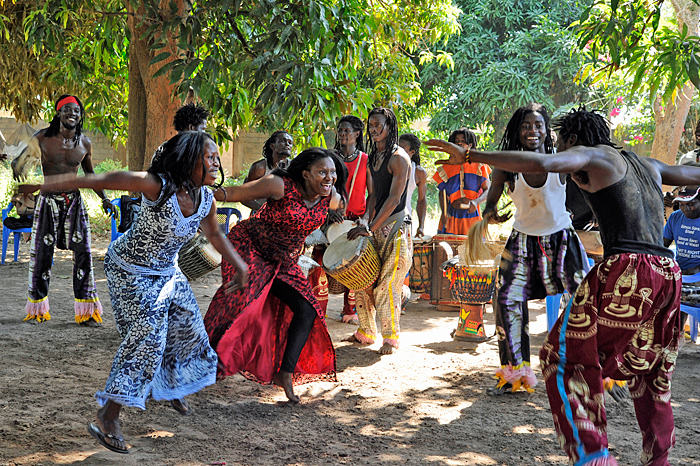
littlecellist.com – The Gambia, a small West African country, is renowned for its vibrant culture, which is beautifully encapsulated in its music and dance. These art forms are not just entertainment but are deeply intertwined with the social, religious, and historical fabric of Gambian society. They serve as a medium for storytelling, celebration, and the preservation of traditions.

The Roots of Gambian Music and Dance

Gambian music and dance have their roots in the country’s diverse ethnic groups, including the Mandinka, Fula, Wolof, and Jola, among others. Each group has its unique styles, instruments, and dances, which have been passed down through generations. The kora, a 21-stringed harp-lute, and the talking drum are iconic instruments that accompany many Gambian performances.

The Role of Griots

Central to Gambian music and dance are the griots, also known as jalis. These are traditional musicians and singers who are the keepers of oral histories and genealogies. They play a pivotal role in society by reciting the deeds of ancestors, leaders, and heroes, often accompanying themselves on instruments like the kora or balafon.

Festivals and Celebrations

Music and dance are integral to Gambian festivals and celebrations. Events such as the Kankurang festival, which marks the end of the rainy season, feature elaborate costumes and dances that tell the story of the Kankurang spirit. The Senegambian wrestling festival is another occasion where music and dance are used to hype up the competitors and entertain the crowds.

Contemporary Scene

The Gambian music scene has evolved to include modern genres like Afrobeat, reggae, and hip-hop, while still maintaining its traditional roots. Artists like Jaliba Kuyateh, the “King of Kora,” and the hip-hop group Superstar, have gained international recognition, blending traditional sounds with contemporary beats.

Cultural Preservation and Education

Efforts to preserve and promote Gambian music and dance include cultural centers and schools that teach traditional instruments and dances to young people. These initiatives are crucial in ensuring that the rich heritage of Gambian art continues to thrive and inspire future generations.

Conclusion

The Gambia’s music and dance are more than just performances; they are a living testament to the country’s cultural heritage and identity. Through these art forms, the Gambian people celebrate their history, express their joys and sorrows, and share their stories with the world. As the country continues to evolve, its music and dance remain a vibrant and unifying force, showcasing the beauty and diversity of Gambian culture.

Urban Wildlife in the Heart of the City: The Nairobi National Park

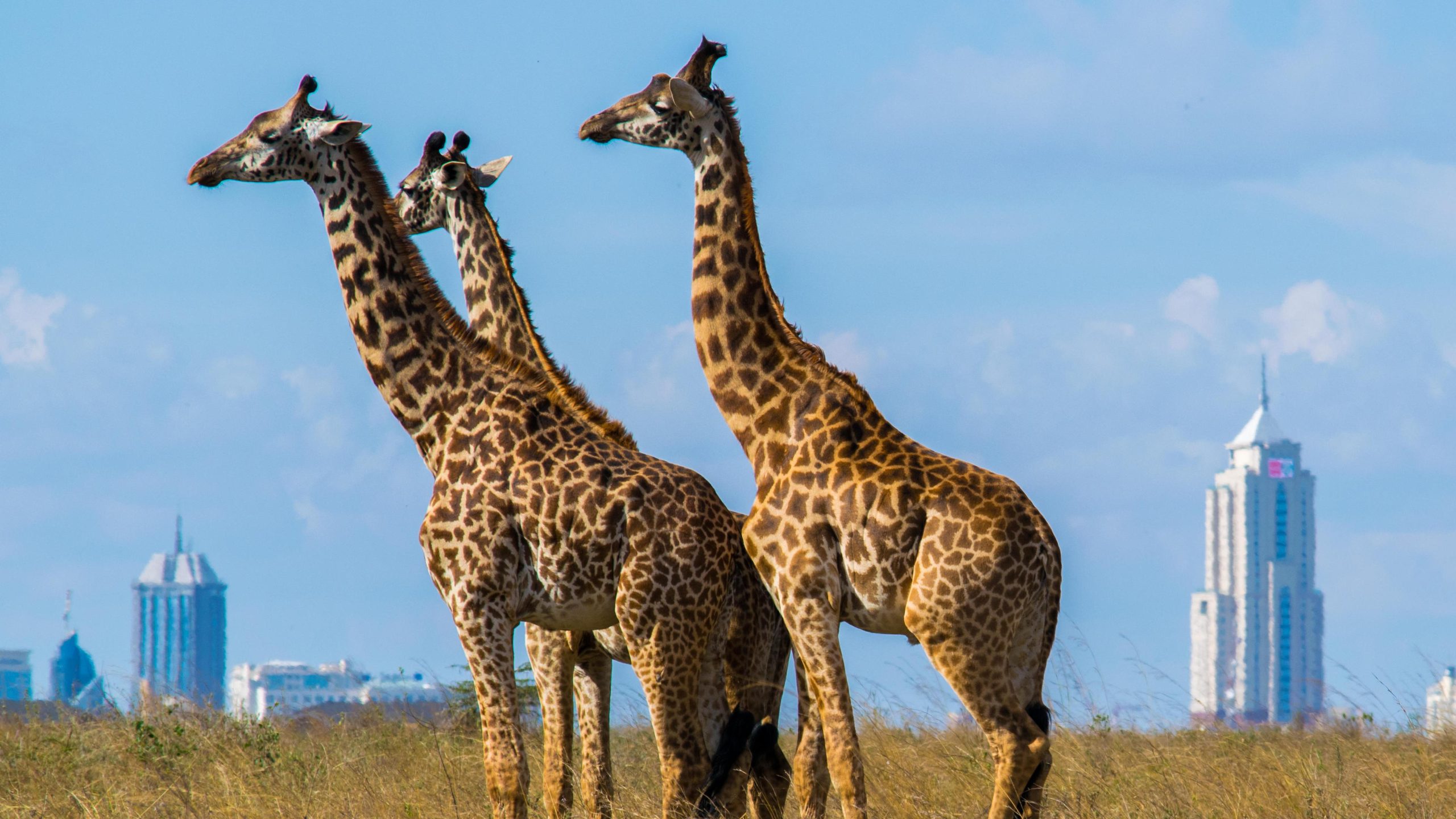
littlecellist.com – The Nairobi National Park is a unique gem nestled within the bustling metropolis of Nairobi, Kenya. As one of the world’s only national parks situated within a capital city, it offers a remarkable blend of urban development and natural conservation. This article delves into the significance of the Nairobi National Park, its biodiversity, conservation efforts, and the challenges it faces in maintaining a delicate balance between wildlife and urban life.

The Significance of Nairobi National Park

Established in 1946, the Nairobi National Park covers an area of approximately 117 square kilometers and is home to a diverse range of wildlife. The park’s proximity to the city makes it an easily accessible haven for both wildlife and visitors, providing a unique opportunity for urbanites to connect with nature.

Biodiversity in the Park

The Nairobi National Park boasts a rich variety of species, including over 400 bird species, large mammals such as giraffes, zebras, lions, leopards, and rhinos, as well as a plethora of smaller mammals, reptiles, and amphibians. The park’s diverse habitats, from grasslands to forests and wetlands, support this rich biodiversity.

Conservation Efforts

Conservation is at the heart of the Nairobi National Park’s mission. Anti-poaching units, community outreach programs, and wildlife rehabilitation centers are integral to the park’s efforts to protect its inhabitants. Additionally, the park serves as a vital corridor for wildlife migration, linking to other protected areas and contributing to the conservation of the greater ecosystem.

Challenges and Solutions

The park faces several challenges, including habitat fragmentation due to urban expansion, human-wildlife conflict, and pollution. To address these issues, the park has implemented measures such as fencing, community engagement, and environmental education. Collaboration with local and international organizations is also key to ensuring the park’s sustainability.

Conclusion

The Nairobi National Park stands as a testament to the possibility of harmonious coexistence between wildlife and urban development. Its success in conserving biodiversity while being surrounded by a bustling city is a model for urban wildlife conservation worldwide. As the park continues to adapt and evolve, it remains an invaluable asset to Kenya’s natural heritage and a beacon of hope for the future of conservation in rapidly developing areas.

Jamaica’s Economic Journey: Challenges & Seizing Opportunities

littlecellist.com – Jamaica’s economic journey is marked by a complex interplay of challenges and opportunities. The island nation, known for its vibrant culture and stunning landscapes, faces significant economic hurdles that threaten its development prospects. However, amidst these challenges, there are also opportunities that, if harnessed effectively, could propel Jamaica towards sustainable growth and prosperity.

Challenges Facing Jamaica’s Economy

  1. Economic Dependence on Tourism and Agriculture: Jamaica’s economy is heavily reliant on tourism and agriculture, which are vulnerable to external shocks such as pandemics and climate change. This dependency makes the country susceptible to fluctuations in global economic conditions and natural disasters, which can severely impact its economic stability.
  2. High Public Debt: Jamaica has been grappling with a high public debt-to-GDP ratio, which has hindered its ability to invest in critical infrastructure and social services. Despite recent fiscal consolidation efforts, the high debt-service costs continue to crowd out other government spending, limiting growth opportunities.
  3. Access to Finance: Access to finance remains a significant challenge for businesses in Jamaica, particularly small and medium-sized enterprises (SMEs). This lack of access to capital inhibits investment, innovation, and overall economic development.
  4. Unemployment and Poverty: Despite some improvements, unemployment and poverty remain significant issues in Jamaica. The informal sector is large, and the quality of employment is a concern, with many workers experiencing low wages and limited job security.
  5. Violence and Corruption: Persistent issues of violence and corruption continue to undermine economic stability and deter foreign investment.

Opportunities for Economic Growth

  1. Tourism and Natural Resources: Jamaica’s natural beauty and rich cultural heritage offer significant potential in the tourism sector. The country can leverage its unique attractions to attract more visitors and diversify its tourism offerings to include eco-tourism and cultural experiences.
  2. Agricultural Diversification: Expanding into high-value crops and agro-processing could enhance agricultural productivity and create more value-added jobs. This diversification could also make the sector more resilient to external shocks.
  3. Investment in Human Capital: Strategic investments in education and training can enhance the skills of the workforce, making them more competitive in the global market. This investment is crucial for long-term economic growth and development.
  4. Technological Innovation: Encouraging the adoption of technology and innovation in various sectors can boost productivity and competitiveness. This includes digitalization in agriculture, tourism, and other key industries.
  5. Foreign Investment: Attracting foreign direct investment (FDI) can bring in much-needed capital, technology, and expertise. Jamaica can create a more favorable investment climate by improving its business environment and regulatory framework.

Conclusion

Jamaica’s economic journey is fraught with challenges that require careful management and strategic planning. However, the country also possesses significant opportunities that, if seized, could lead to a more prosperous and resilient economy. By focusing on diversification, improving access to finance, and enhancing human capital, Jamaica can overcome its current hurdles and achieve sustainable growth. The path forward is clear, but it will require concerted efforts from both the government and the private sector to realize Jamaica’s full economic potential.

A Haven for Biodiversity: Andorra’s Natural Parks

littlecellist.com – Andorra, a small country nestled in the Pyrenees, is renowned for its stunning natural landscapes and rich biodiversity. The country is home to three major natural parks, each playing a crucial role in preserving the ecological balance and biodiversity of the region. These parks not only offer a unique glimpse into the natural beauty of the Pyrenees but also serve as vital habitats for a wide range of flora and fauna.

Valle de Sorteny Natural Park

Established in 1999, the Valle de Sorteny Natural Park is one of the most significant protected areas in Andorra. It covers a vast area and is home to a diverse array of plant and animal species, including many that are endemic to the region. The park is particularly noted for its efforts in conserving the natural environment and promoting sustainable tourism.

Madriu-Perafita-Claror Valley

The Madriu-Perafita-Claror Valley is another important natural park in Andorra. This park is recognized for its exceptional natural beauty and is listed as a UNESCO World Heritage site. It supports a rich variety of wildlife and is a critical habitat for species such as the Pyrenean desman and the bearded vulture.

Valles del Comapedrosa Natural Park

The Valles del Comapedrosa Natural Park is known for its high-altitude ecosystems and is a significant area for biodiversity conservation. It provides a habitat for a variety of species, including many that are adapted to the harsh mountain conditions. The park also supports important ecological processes such as water regulation and carbon sequestration.

Biodiversity and Conservation Efforts

Andorra’s natural parks are not only scenic wonders but also crucial for the conservation of biodiversity. The country has implemented several measures to protect these areas, including the establishment of the National Strategy for Biodiversity, which aims to plan and coordinate conservation efforts across the natural environment. This strategy ensures that the parks are managed sustainably, preserving their ecological integrity for future generations.

Cultural and Historical Significance

In addition to their ecological importance, Andorra’s natural parks also hold significant cultural and historical value. They are home to ancient forests, traditional agricultural practices, and historical sites that reflect the human interaction with the natural environment over centuries. This cultural heritage adds another layer to the parks’ appeal, making them not just natural reserves but also cultural sanctuaries.

Conclusion

Andorra’s natural parks are a testament to the country’s commitment to preserving biodiversity and maintaining ecological balance. These protected areas offer a unique opportunity to explore and appreciate the natural beauty of the Pyrenees while supporting vital conservation efforts. As global environmental challenges continue to grow, the role of these parks in maintaining biodiversity and promoting sustainable practices becomes increasingly important. Andorra’s natural parks are not just scenic wonders but essential components of the global effort to protect our planet’s natural heritage.

Hospitality and Tradition: The Albanian People

littlecellist.com – Albania, a country with a rich history and a vibrant culture, is home to a people known for their exceptional hospitality and deep-rooted traditions. The Albanian people have a unique blend of characteristics that set them apart, making their culture one of the most intriguing in the Balkans. This article delves into the heart of Albanian hospitality and explores the traditions that have been passed down through generations.

The Essence of Albanian Hospitality

Hospitality is not just a word in Albania; it is a way of life. The Albanian people are renowned for their warmth, generosity, and the extraordinary lengths they go to make guests feel welcome. This tradition of hospitality, known as “mikpritje” in Albanian, is deeply ingrained in the national psyche and is considered a matter of honor and pride.

Visitors to Albania are often overwhelmed by the genuine kindness and the open-armed welcome they receive. Whether it’s a family opening their home to a stranger or a local café owner treating a newcomer to a traditional Albanian coffee, the spirit of hospitality is everywhere. The Albanian proverb, “The guest is God’s gift,” encapsulates the essence of this cultural value.

Traditional Albanian Customs

Albanian traditions are a tapestry of ancient practices, beliefs, and rituals that have been preserved and celebrated for centuries. These traditions are a reflection of the country’s diverse history, influenced by Illyrian, Greek, Roman, Byzantine, and Ottoman cultures.

Family and Community

The family is the cornerstone of Albanian society, and family gatherings are frequent and lively. Weddings, baptisms, and funerals are grand affairs that bring together extended families and communities. The sense of community is strong, and neighbors often act as extended family, helping each other in times of need.

Festivals and Celebrations

Albania’s calendar is dotted with festivals and celebrations that showcase the country’s rich cultural heritage. From the ancient Besa festival, which celebrates the Albanian code of honor, to the colorful Dita e Verës (Spring Day) celebrations, these events are a testament to the enduring spirit of the Albanian people.

Cuisine

Albanian cuisine is a delightful mix of flavors and ingredients that reflect the country’s geographical diversity. Traditional dishes like “Tavë Kosi” (lamb baked with yogurt) and “Byrek” (a savory pastry) are staples at family gatherings and festive occasions. The sharing of food is an integral part of Albanian hospitality, and meals are often communal affairs that strengthen bonds between family and friends.

The Future of Albanian Traditions

As Albania continues to modernize and integrate with the global community, there is a growing awareness of the importance of preserving the country’s cultural heritage. Efforts are being made to educate younger generations about the value of their traditions and the importance of hospitality.

Through cultural festivals, educational programs, and the promotion of traditional crafts and music, the Albanian people are ensuring that their rich traditions and the spirit of hospitality are passed down for generations to come.
In conclusion, the Albanian people’s hospitality and traditions are more than just cultural practices; they are a reflection of the country’s soul. These values have stood the test of time and continue to be a source of pride and identity for the Albanian people. As the world becomes increasingly interconnected, the unique blend of hospitality and tradition in Albania remains a beacon of warmth and authenticity, inviting the world to experience the heart of the Albanian culture.

China’s Ancient Brewing Tradition: The Art of Tea

littlecellist.com – Tea, a simple leaf from the Camellia sinensis plant, has been a cornerstone of Chinese culture for thousands of years. It is not just a beverage; it is an art form, a ritual, and a way of life. The history of tea in China is as complex and nuanced as the flavors of the teas themselves. This article delves into the ancient brewing tradition of tea in China, exploring its historical significance, the art of tea preparation, and the cultural practices that surround it.

The Historical Roots of Tea in China

The origins of tea in China are shrouded in legend and myth. One popular story attributes the discovery of tea to the mythical Emperor Shennong, who is said to have accidentally brewed the first cup of tea in 2737 BCE when a leaf from the tea plant fell into his boiling water. Over the centuries, tea grew from a medicinal drink to a staple of Chinese culture, becoming an integral part of social, cultural, and religious practices.

The Cultural Significance of Tea in China

Tea in China is more than just a drink; it is a symbol of hospitality, respect, and friendship. The act of sharing tea is a way to build relationships and express goodwill. Tea ceremonies, which are steeped in tradition and ritual, are a way to honor guests and celebrate important occasions. The preparation and presentation of tea are as important as the tea itself, with every step imbued with meaning and tradition.

The Art of Tea Preparation

The art of tea preparation in China is a meticulous process that involves selecting the right tea, water, and brewing vessel, and understanding the correct brewing temperature and steeping time. Each type of tea—green, white, oolong, black, and pu-erh—requires a different approach to bring out its unique flavors and aromas.

Selecting the Tea

Choosing the right tea is the first step in the brewing process. The choice of tea can depend on the time of day, the season, or the occasion. Green teas are often enjoyed in the morning or afternoon, while oolong and black teas are favored in the evening.

The Importance of Water

Water is considered the soul of tea in China. The quality of the water can greatly affect the taste of the tea. Spring water is often preferred for its purity and natural minerals that can enhance the flavor of the tea.

Brewing Vessels

The choice of brewing vessel is crucial. Yixing clay teapots are particularly prized for their ability to enhance the flavor of oolong and pu-erh teas. These pots are unglazed, allowing the tea to season the pot over time, which in turn improves the flavor of the tea.

Temperature and Steeping Time

The correct brewing temperature and steeping time are essential to bring out the best qualities of the tea. Green teas require lower temperatures and shorter steeping times to prevent bitterness, while black teas can handle higher temperatures and longer steeping times.

Tea Ceremonies and Social Practices

Tea ceremonies in China are elaborate rituals that showcase the art of tea preparation and the cultural significance of tea. These ceremonies are a way to honor guests and celebrate important events. The Gongfu tea ceremony, for example, is a meticulous process that involves multiple infusions of tea, each revealing different flavors and aromas.

Tea houses have been an integral part of Chinese society for centuries, serving as places for social gatherings, business meetings, and cultural exchanges. The tradition of going to a tea house to enjoy tea and conversation is still alive today.

Conclusion

The art of tea in China is a testament to the country’s rich cultural heritage and the enduring appeal of this simple leaf. From its legendary origins to its role in contemporary society, tea continues to be a source of pleasure, health, and cultural identity. Whether enjoyed in a traditional tea ceremony or a casual cup at home, tea remains a symbol of the deep connection between people and the natural world.

A Sweet Tradition: Portugal’s Custard Tarts

littlecellist.com – Nestled within the rich tapestry of Portuguese cuisine, custard tarts, or “pastéis de nata,” stand as a testament to the country’s culinary heritage. These delectable pastries, with their crispy, flaky crust and creamy custard filling, have been a beloved treat for centuries, captivating the hearts and palates of locals and visitors alike.

The Origins of Pastéis de Nata

The history of Portugal’s custard tarts is as intriguing as their taste. The recipe is believed to have been created in the 18th century by monks at the Jerónimos Monastery in Lisbon. When the monasteries were dissolved in 1820, the monks sold their secret recipe to a local bakery, which began selling the tarts to the public. Since then, pastéis de nata have become an iconic symbol of Portuguese baking.

The Art of Making Pastéis de Nata

Crafting the perfect custard tart is an art form that requires precision and patience. The dough for the crust is made from flour, water, and margarine, which is then rolled and folded multiple times to create layers. This process, known as laminating, results in the characteristic flaky texture. The custard filling is a simple yet divine mixture of eggs, sugar, and milk, flavored with cinnamon and lemon. Once baked, the tarts are often dusted with cinnamon or powdered sugar for an extra touch of sweetness.

The Taste Sensation

Biting into a pastel de nata is an experience that delights the senses. The contrast between the crisp, buttery crust and the soft, creamy custard creates a harmonious balance of textures. The filling is subtly sweet, with a hint of spice from the cinnamon, and a gentle tang from the lemon. It’s a taste that is both comforting and indulgent, making it the perfect treat for any occasion.

Where to Find the Best Pastéis de Nata

While pastéis de nata can be found in bakeries and cafes throughout Portugal, some establishments have gained legendary status for their version of the tart. One such place is Pastéis de Belém, located near the Jerónimos Monastery, which claims to use the original recipe passed down from the monks. Visitors flock here to taste what many consider to be the gold standard of custard tarts.

A Tradition to Share

Portugal’s custard tarts are more than just a sweet treat; they are a symbol of the country’s rich culinary traditions. Whether enjoyed with a cup of strong Portuguese coffee or as a dessert after a meal, pastéis de nata offer a taste of Portugal that is both comforting and memorable. As the world continues to discover the delights of Portuguese cuisine, these custard tarts remain a beloved tradition, passed down through generations, and cherished by all who try them.

A Dance of Strength: The Scottish Highland Dance

littlecellist.com – The Scottish Highland Dance is a vibrant and captivating art form that has been a cornerstone of Scottish culture for centuries. It is a dance that not only showcases the beauty of movement but also embodies the strength and resilience of the Scottish people. This article delves into the history, characteristics, and significance of the Scottish Highland Dance, highlighting its role as a dance of strength.

Origins and Historical Significance

The roots of the Scottish Highland Dance can be traced back to the Gaelic traditions of the Scottish Highlands. It was originally a form of warrior dance, performed by men to display their agility, strength, and readiness for battle. Over time, the dance evolved and became a symbol of Scottish identity, surviving the bans on Highland culture during the 18th century.

Characteristics of Highland Dance

Highland Dance is characterized by its precise and intricate footwork, sharp movements, and strong posture. Dancers must maintain straight knees and pointed toes while executing complex steps at a rapid pace. The dance is performed to the lively rhythms of pipe bands or traditional Scottish music, adding to its energetic and powerful nature.

Costumes

The costumes of Highland Dance are as integral to the performance as the dance itself. Male dancers wear the kilt, often in the tartan of their clan, along with a sporran, knee-high socks, ghillies (dance shoes), and sometimes a sgian-dubh (a small knife tucked into the sock). Female dancers also wear kilts or tartan skirts, paired with a velvet jacket, a fitted blouse, and a hair accessory that complements their outfit.

Technique and Discipline

Mastering Highland Dance requires rigorous training and discipline. Dancers must develop strong muscles, particularly in the legs and core, to execute the demanding steps and jumps. The dance also demands excellent balance, coordination, and stamina, making it a true test of physical strength.

Competitive Highland Dance

Highland Dance is not just a cultural expression but also a competitive sport. Dancers of all ages participate in local, national, and international competitions, showcasing their skills in various solo and group dances. The most prestigious event is the World Highland Dance Championships, where dancers from around the globe compete for the title of World Champion.

The Role of Highland Dance Today

Today, the Scottish Highland Dance continues to thrive and evolve. It is taught in dance schools worldwide, preserving the traditions while also adapting to modern influences. The dance serves as a bridge between generations, connecting the past with the present, and is a source of pride for the Scottish diaspora.

Conclusion

The Scottish Highland Dance is more than just a performance; it is a testament to the strength and spirit of the Scottish people. It embodies the values of resilience, discipline, and community, making it a dance that resonates with audiences around the world. As it continues to be celebrated and passed down through generations, the Highland Dance remains a powerful symbol of Scottish heritage and identity.

The Unique American Way of Voting: The Electoral College

littlecellist.com – The United States stands apart from most modern democracies in its method of electing the president and vice president. Unlike the direct popular vote used in many countries, the United States employs a system known as the Electoral College. This unique and often debated process is a defining feature of American democracy, embodying the complexities and compromises that have shaped the nation’s political landscape.

Origins and Rationale

The Electoral College was established by the U.S. Constitution in 1787, reflecting the Founding Fathers’ desire to balance the influence of large and small states, as well as to ensure that the president was elected by “persons holding the highest political qualifications.” The system was also designed to protect the nation from what they perceived as the tyranny of the majority, which could occur in a direct popular vote.

Under the Electoral College system, each state is allocated a number of electors equal to its total number of senators and representatives in Congress. Since every state has two senators and at least one representative, this means that smaller states have a proportionally greater influence in the Electoral College than their population would suggest. Additionally, the District of Columbia is granted three electors, pursuant to the 23rd Amendment to the Constitution.

How It Works

When Americans vote for president, they are actually voting for a slate of electors pledged to their preferred candidate. The candidate who wins the majority of votes in a state typically receives all of that state’s electoral votes, a system known as the winner-takes-all method (with the exception of Maine and Nebraska, which award electoral votes by congressional district).

To win the presidency, a candidate must secure a majority of electoral votes—at least 270 out of 538. If no candidate achieves a majority, the election is decided by the House of Representatives, with each state delegation casting one vote.

Criticisms and Controversies

The Electoral College has been the subject of intense debate. Critics argue that it is undemocratic, as it can result in a candidate winning the presidency without securing the majority of the popular vote. This scenario has occurred on several occasions, most recently in 2000 and 2016. Opponents also contend that the system disproportionately favors smaller states and that it leads to a focus on “swing states,” with candidates ignoring the needs and concerns of voters in states where the outcome is perceived as a foregone conclusion.

Defenders of the Electoral College, however, maintain that it protects the rights of smaller states, encourages a broader national campaign, and forces candidates to build a coalition that includes a variety of interests and regions. They also argue that it acts as a buffer against demagoguery and the potential for a regional favorite to win the presidency without national appeal.

Reform Efforts

Various proposals have been made to reform or abolish the Electoral College, ranging from the National Popular Vote Interstate Compact, which seeks to award electoral votes to the winner of the national popular vote, to constitutional amendments that would replace the Electoral College with a direct popular vote. However, significant political and procedural hurdles stand in the way of these reforms, including the requirement for a constitutional amendment to be ratified by three-fourths of the states.

Conclusion

The Electoral College remains a central and controversial feature of American democracy. It reflects the nation’s federalist structure, balancing the interests of diverse states and regions. While it has its detractors, the Electoral College continues to play a pivotal role in the election of the president and vice president, ensuring that the United States maintains its unique approach to voting in the highest offices of the land. As the nation evolves, the debate over the Electoral College’s future will undoubtedly continue, embodying the ongoing conversation about the best way to represent the will of the American people.

Great Barrier Reef: Life Among the World’s Largest Coral System

littlecellist.com – Nestled off the coast of Queensland, Australia, lies one of the most awe-inspiring natural wonders on Earth – the Great Barrier Reef. Spanning over 2,300 kilometers, this underwater marvel is not only the world’s largest coral reef system but also a bustling metropolis teeming with life. It is a place where the vibrant dance of existence plays out in a kaleidoscope of colors, shapes, and sizes, offering a glimpse into the intricate web of life that thrives beneath the ocean’s surface.

The Great Barrier Reef is not just a single, solid reef; it is a complex ecosystem composed of over 2,900 individual reefs and 900 islands. This vast expanse of coral is home to myriad species, many of which are found nowhere else on the planet. The reef’s biodiversity is staggering, with over 1,500 species of fish, 411 types of hard coral, one-third of the world’s soft corals, and countless other organisms, including sponges, sea snails, sea stars, and crabs.

At the heart of this ecosystem are the corals themselves. These tiny marine invertebrates are the architects of the reef, building their skeletons over thousands of years to create the intricate structures that we marvel at today. Corals form symbiotic relationships with algae called zooxanthellae, which live within their tissues. This partnership allows corals to convert sunlight into food through photosynthesis, providing the energy needed to build their calcium carbonate skeletons.

The reef’s diverse topography, from shallow coral cays to deepwater coral forests, supports a variety of habitats that cater to different species’ needs. The shallow waters are perfect for young fish and other marine life to grow and learn, while the deeper areas offer refuge for larger predators. The reef’s complexity also ensures that there is always something new to discover, with many species yet to be documented by science.

Life on the Great Barrier Reef is a delicate balance, with each species playing a crucial role in maintaining the health of the ecosystem. Predators like sharks and rays keep the population of other fish in check, while herbivores such as parrotfish and sea urchins graze on algae, preventing it from overgrowing the coral. The reef’s intricate food web is a testament to the interconnectedness of life, where the survival of one species is often dependent on the well-being of another.

However, the Great Barrier Reef is facing significant challenges. Climate change, pollution, and overfishing are threatening the delicate balance of life on the reef. Coral bleaching, caused by rising sea temperatures, has led to the loss of vibrant coral colors and, in severe cases, the death of corals. The reef’s resilience is being tested, and conservation efforts are critical to ensure its survival for future generations.

Despite these challenges, there is hope. Scientists, conservationists, and communities are working together to protect and restore the reef. Initiatives such as the Reef 2050 Long-Term Sustainability Plan aim to reduce the impact of human activities and improve water quality. Innovative techniques, including coral farming and gene editing, are being explored to help corals adapt to changing conditions.

The Great Barrier Reef is more than just a natural wonder; it is a living, breathing entity that has captivated the hearts and minds of people around the world. It is a reminder of the beauty and complexity of life on our planet and the importance of protecting the natural world for the benefit of all. As we continue to learn from and about the Great Barrier Reef, we are reminded of our responsibility to preserve this underwater paradise for generations to come.