China’s Ancient Brewing Tradition: The Art of Tea

littlecellist.com – Tea, a simple leaf from the Camellia sinensis plant, has been a cornerstone of Chinese culture for thousands of years. It is not just a beverage; it is an art form, a ritual, and a way of life. The history of tea in China is as complex and nuanced as the flavors of the teas themselves. This article delves into the ancient brewing tradition of tea in China, exploring its historical significance, the art of tea preparation, and the cultural practices that surround it.

The Historical Roots of Tea in China

The origins of tea in China are shrouded in legend and myth. One popular story attributes the discovery of tea to the mythical Emperor Shennong, who is said to have accidentally brewed the first cup of tea in 2737 BCE when a leaf from the tea plant fell into his boiling water. Over the centuries, tea grew from a medicinal drink to a staple of Chinese culture, becoming an integral part of social, cultural, and religious practices.

The Cultural Significance of Tea in China

Tea in China is more than just a drink; it is a symbol of hospitality, respect, and friendship. The act of sharing tea is a way to build relationships and express goodwill. Tea ceremonies, which are steeped in tradition and ritual, are a way to honor guests and celebrate important occasions. The preparation and presentation of tea are as important as the tea itself, with every step imbued with meaning and tradition.

The Art of Tea Preparation

The art of tea preparation in China is a meticulous process that involves selecting the right tea, water, and brewing vessel, and understanding the correct brewing temperature and steeping time. Each type of tea—green, white, oolong, black, and pu-erh—requires a different approach to bring out its unique flavors and aromas.

Selecting the Tea

Choosing the right tea is the first step in the brewing process. The choice of tea can depend on the time of day, the season, or the occasion. Green teas are often enjoyed in the morning or afternoon, while oolong and black teas are favored in the evening.

The Importance of Water

Water is considered the soul of tea in China. The quality of the water can greatly affect the taste of the tea. Spring water is often preferred for its purity and natural minerals that can enhance the flavor of the tea.

Brewing Vessels

The choice of brewing vessel is crucial. Yixing clay teapots are particularly prized for their ability to enhance the flavor of oolong and pu-erh teas. These pots are unglazed, allowing the tea to season the pot over time, which in turn improves the flavor of the tea.

Temperature and Steeping Time

The correct brewing temperature and steeping time are essential to bring out the best qualities of the tea. Green teas require lower temperatures and shorter steeping times to prevent bitterness, while black teas can handle higher temperatures and longer steeping times.

Tea Ceremonies and Social Practices

Tea ceremonies in China are elaborate rituals that showcase the art of tea preparation and the cultural significance of tea. These ceremonies are a way to honor guests and celebrate important events. The Gongfu tea ceremony, for example, is a meticulous process that involves multiple infusions of tea, each revealing different flavors and aromas.

Tea houses have been an integral part of Chinese society for centuries, serving as places for social gatherings, business meetings, and cultural exchanges. The tradition of going to a tea house to enjoy tea and conversation is still alive today.

Conclusion

The art of tea in China is a testament to the country’s rich cultural heritage and the enduring appeal of this simple leaf. From its legendary origins to its role in contemporary society, tea continues to be a source of pleasure, health, and cultural identity. Whether enjoyed in a traditional tea ceremony or a casual cup at home, tea remains a symbol of the deep connection between people and the natural world.

Kontroversi Diplomatik: China dan Filipina Berhadapan Terkait Bocornya Percakapan Telepon

littlecellist.com – Diplomat China menghadapi ancaman pengusiran dari Filipina setelah penasihat keamanan Filipina, Eduardo Ano, secara langsung mengusulkan tindakan tersebut. Ano menuduh China telah membocorkan percakapan telepon antara seorang laksamana Filipina dan diplomat China, terkait laporan berita mengenai pertikaian di Laut China Selatan.

Dalam transkrip percakapan telepon, laksamana Filipina disebut menyetujui penggunaan kapal kecil untuk pasokan marinir, yang dilakukan di kapal yang terlarang berlayar di Second Thomas Shoal. Ano juga menilai bahwa kedutaan besar China telah menyebarkan disinformasi, mendesak tindakan tegas dan sanksi terhadap mereka.

Juru bicara Kementerian Luar Negeri China, Lin Jian, menyatakan bahwa komentar Ano dianggap provokatif dan meminta para diplomat untuk tetap menjalankan tugasnya. Sementara itu, Filipina dan China telah terlibat dalam serangkaian pertikaian di Laut China Selatan sejak tahun sebelumnya, dengan Filipina meningkatkan aktivitasnya di perairan yang diperebutkan China.

Amerika Serikat (AS), yang mendukung Filipina dalam konflik tersebut, juga telah angkat bicara. Departemen Luar Negeri AS menyatakan kesiapannya untuk mematuhi posisi Filipina dalam masalah ini, sementara Kantor Presiden Filipina dan Kementerian Luar Negeri belum memberikan tanggapan resmi terkait pernyataan Ano.

Analisis Strategi Diversifikasi Cadangan China Melalui Pembelian Emas dan Pengaruhnya terhadap Perekonomian Global

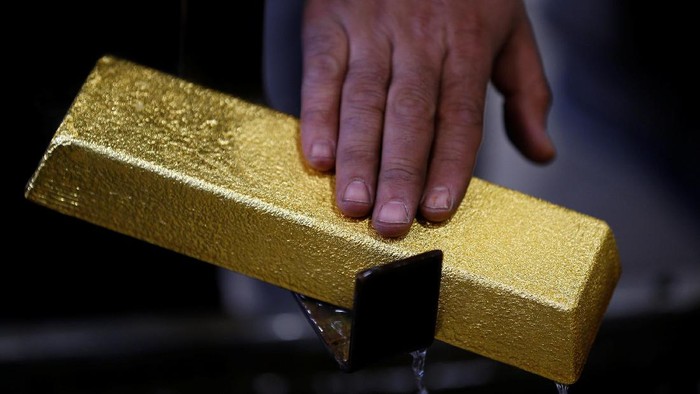
littlecellist.com – Dalam konteks ketidakstabilan geopolitik yang diperparah oleh konflik di beberapa wilayah dunia, Republik Rakyat China telah secara substansial meningkatkan pembelian emas. Laporan dari Deutsche Welle (DW) yang dirilis tanggal 10 April mengindikasikan bahwa, sejalan dengan pembelian besar-besaran oleh China, harga emas di pasar internasional telah menunjukkan lonjakan, dengan nilai mencapai puncak US$ 2.300 per troy ounce.

Persepsi Emas sebagai Instrumen Investasi Defensif

Dalam periode ketidakpastian ekonomi global dan potensi devaluasi mata uang, emas telah mendapatkan perhatian sebagai instrumen investasi defensif. People’s Bank of China (PBC), otoritas moneter China, telah mengambil langkah proaktif dengan konsisten menambah cadangan emas nasional selama 16 bulan berurutan, seperti yang dilaporkan oleh Dewan Emas Dunia. Pada tahun 2023, PBC menjadi pembeli emas terdepan di antara bank sentral global, dengan akumulasi sekitar 225 metrik ton emas.

Ekspansi Cadangan Emas PBC

Dewan Emas Dunia, melalui analis senior EMEA, Krishan Gopaul, mencatat bahwa PBC telah meningkatkan cadangan emasnya dengan tambahan 22 ton hanya di bulan Januari dan Februari, dengan keseluruhan cadangan emas yang dimiliki oleh PBC diperkirakan telah mencapai 2.257 ton.

Kenaikan Permintaan Emas oleh Masyarakat China

Di luar sektor keuangan, warga negara China juga tercatat meningkatkan pembelian emas, yang termanifestasi dalam bentuk koin, batangan, dan perhiasan. Tren ini didorong oleh penurunan nilai investasi di sektor lain seperti real estat, mata uang yuan, dan saham, akibat dari tekanan ekonomi yang dihadapi oleh China.

Dampak Diversifikasi Cadangan Devisa PBC dan Agenda BRICS

Inisiatif China untuk mendiversifikasi cadangan devisa mereka dan mengurangi ketergantungan pada dolar AS merupakan langkah strategis dalam konteks ekonomi global. Langkah ini juga beririsan dengan rencana BRICS dalam mendorong diversifikasi ekonomi yang lebih luas dan mungkin pengembangan mata uang bersama untuk memperkuat posisi mereka di perekonomian global dan menantang hegemoni dolar AS.

Aksi China dalam memperbanyak cadangan emasnya mencerminkan strategi diversifikasi cadangan devisa yang hati-hati dan dipikirkan matang. Ini tidak hanya memiliki implikasi untuk kebijakan moneter domestik tetapi juga menandai perubahan potensial dalam keseimbangan kekuatan ekonomi global, khususnya dalam konteks ambisi jangka panjang yang diusung oleh negara-negara BRICS.