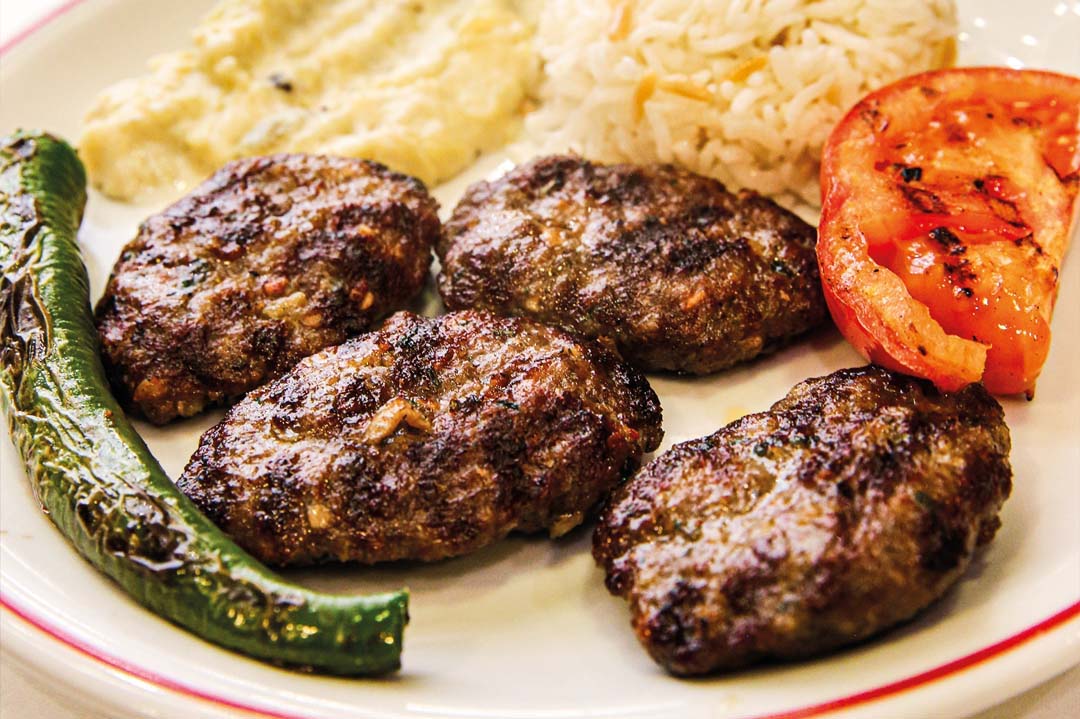
littlecellist.com – Köfte, the quintessential Turkish meatball, is a culinary delight that embodies the rich flavors and traditions of Turkey. Made from minced meat and a blend of spices, these savory morsels are a staple in Turkish households and are beloved for their versatility and delicious taste. Whether grilled, baked, or fried, köfte offers a taste of Turkey that is both comforting and satisfying. Let’s delve into the ingredients, preparation methods, and cultural significance of this iconic dish.
Ingredients
Köfte is celebrated for its simplicity and reliance on fresh, high-quality ingredients. Here’s what you’ll need to make traditional Turkish köfte:
- Minced Meat: Typically beef or lamb, providing a rich, savory base for the meatballs.
- Onions: Finely grated or chopped, adding sweetness and moisture.
- Garlic: Minced for a subtle aromatic touch.
- Spices: A blend of salt, pepper, cumin, and paprika, giving köfte its distinctive flavor.
- Parsley: Chopped finely for freshness and color.
- Bread Crumbs: Used as a binder to hold the meatballs together.
- Egg: Helps to bind the ingredients and adds richness.
Preparation
- Mixing the Ingredients: In a large bowl, combine the minced meat, onions, garlic, spices, parsley, bread crumbs, and egg. Mix thoroughly with your hands until all the ingredients are well incorporated. The mixture should be firm yet pliable.
- Shaping the Köfte: Take small portions of the mixture and shape them into oval or round meatballs, about the size of a walnut. Ensure each meatball is compact to prevent them from falling apart during cooking.
- Cooking Methods:
- Grilling: For a smoky flavor, grill the köfte on a barbecue or grill pan until they are browned and cooked through.
- Frying: Heat a little oil in a pan and fry the köfte until golden brown on all sides.
- Baking: For a healthier option, bake the köfte in the oven at 375°F (190°C) for about 20 minutes, turning halfway through.
Serving Suggestions
Köfte is incredibly versatile and can be served in various ways. Traditionally, it is accompanied by rice or bulgur pilaf, roasted vegetables, or a fresh salad. A side of yogurt sauce or tzatziki complements the meatballs perfectly, adding a creamy contrast to their rich flavors.
Cultural Significance
Köfte holds a special place in Turkish culture and cuisine. It is a dish that brings people together, often shared during family gatherings, picnics, and celebrations. Each region in Turkey has its own variation of köfte, reflecting local tastes and traditions. From spicy Adana köfte to the fragrant İzmir köfte, each version tells a story of its origins.
Conclusion
Köfte is more than just a meatball; it is a symbol of Turkish culinary heritage. Its simplicity and adaptability have allowed it to remain a beloved dish across generations. Whether you’re enjoying it at a street vendor’s stand or a family dinner table, köfte promises a taste of Turkey that is both timeless and delightful. Embrace the flavors and traditions of köfte, and experience the warmth of Turkish hospitality with every bite.