
The Blue Hour (2015): A Exploration of Identity and Mystery

littlecellist.com – “The Blue Hour” (2015) is a Thai drama film directed by Anucha Boonyawatana that delves into themes of identity, love, and the supernatural. This atmospheric film stands out for its haunting visuals and exploration of complex human emotions, offering audiences a unique cinematic experience. In this article, we will explore the film’s narrative, themes, and its impact on viewers and the film industry.

Plot Summary

Set against the backdrop of urban decay and eerie landscapes, “The Blue Hour” tells the story of Tam, a young man struggling with his identity and family issues. Tam meets Phum, a mysterious boy he encounters at an abandoned swimming pool, and the two form an intense bond. As their relationship deepens, the line between reality and the supernatural begins to blur, leading to unsettling and mysterious events.

Themes and Symbolism

Identity and Acceptance

The film poignantly explores themes of identity and acceptance, particularly in the context of LGBTQ+ issues. Tam’s journey reflects the struggles faced by many individuals in seeking acceptance from themselves and others, highlighting the societal pressures and personal conflicts that accompany such journeys.

The Supernatural and Reality

“The Blue Hour” blurs the boundaries between the supernatural and reality, using eerie and surreal imagery to evoke a sense of mystery and unease. This interplay challenges viewers to question what is real and what is imagined, adding depth to the narrative.

Isolation and Connection

Isolation is a recurring theme, depicted through Tam’s estrangement from his family and society. The film contrasts this with the connection he finds with Phum, illustrating the human need for companionship and understanding amidst loneliness.

Cinematic Techniques

The film is noted for its striking visual style, characterized by its use of lighting and color to create a dreamlike atmosphere. The “blue hour,” a time of day when the sky takes on a deep blue hue, serves as a metaphor for the film’s themes of transition and ambiguity.

Impact and Reception

“The Blue Hour” received critical acclaim for its bold storytelling and visual artistry. It was praised for its sensitive portrayal of LGBTQ+ themes and its ability to evoke strong emotional responses from audiences. The film has been screened at numerous international film festivals, contributing to the visibility of Thai cinema on the global stage.

Conclusion

“The Blue Hour” (2015) is a compelling exploration of identity, love, and the supernatural. Through its haunting narrative and evocative visuals, the film invites viewers to reflect on the complexities of human emotions and the often-blurred lines between reality and fantasy. Its impact on audiences and the film industry underscores its significance as a thought-provoking and artistically rich piece of cinema.

Ichi the Killer (2001): A Exploration of Violence & Psychopathy

littlecellist.com – “Ichi the Killer,” directed by Takashi Miike and released in 2001, is a Japanese crime-horror film that has become notorious for its extreme depictions of violence and psychological complexity. Based on the manga of the same name by Hideo Yamamoto, the film delves into the dark recesses of human nature, exploring themes of sadism, masochism, and the psyche of a killer. It is a film that has both repelled and fascinated audiences worldwide, carving a niche for itself in the annals of cult cinema.

Plot Overview

The storyline of “Ichi the Killer” revolves around a yakuza enforcer named Kakihara, played by Tadanobu Asano, who embarks on a quest to find his missing boss. His journey leads him to Ichi, portrayed by Nao Omori, a psychologically troubled assassin manipulated into killing by a mysterious figure. The narrative unfolds in a grim urban landscape, punctuated by graphic scenes that reveal the depths of human depravity.

Thematic Exploration

At its core, “Ichi the Killer” is a study of violence, not just as a physical act but as a psychological phenomenon. The film portrays violence as both a source of empowerment and a manifestation of vulnerability. Kakihara, with his masochistic tendencies, represents the paradox of finding pleasure in pain, challenging traditional notions of strength and weakness. Conversely, Ichi embodies the duality of innocence and brutality, a character caught in the throes of his own mental turmoil.

Visual and Stylistic Elements

Takashi Miike’s directorial style in “Ichi the Killer” is marked by its visceral imagery and unflinching portrayal of gore. The film’s visual language is deliberately exaggerated, creating an aesthetic that is both surreal and disturbing. Miike employs a frenetic pace and dynamic camera work to heighten the intensity of the narrative, immersing viewers in a world where violence is both a spectacle and a narrative device.

Cultural Impact and Reception

Upon its release, “Ichi the Killer” sparked controversy due to its explicit content and themes. It was banned in several countries and faced criticism from various quarters. However, it also garnered a cult following, praised for its bold storytelling and Miike’s uncompromising vision. The film has been discussed extensively in critical circles, often cited as an example of extreme cinema that challenges viewers’ perceptions of morality and entertainment.

Conclusion

“Ichi the Killer” remains a provocative piece of cinema that pushes boundaries and elicits strong reactions. It is a film that demands to be seen not just as a narrative but as a commentary on the darker aspects of human nature. For those willing to confront its challenging content, “Ichi the Killer” offers a unique cinematic experience that lingers long after the credits roll.

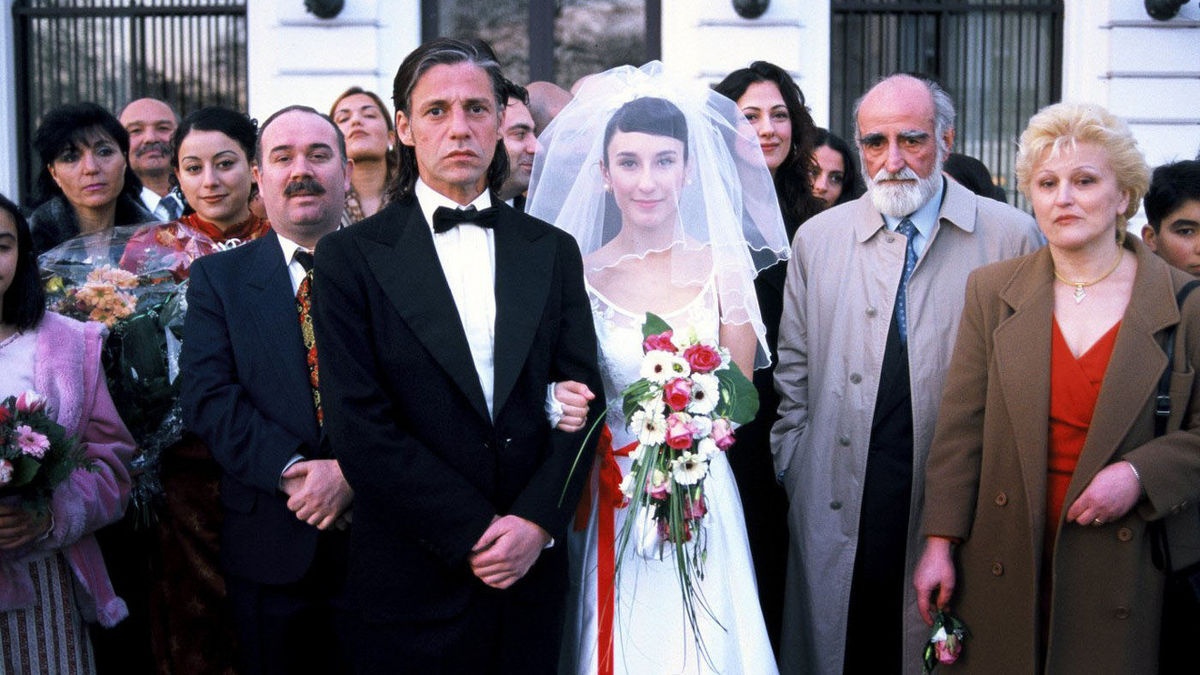
Head-On (Duvara Karşı): A Raw Exploration of Love and Identity

littlecellist.com – “Head-On” (Duvara Karşı) is a powerful German-Turkish film directed by Fatih Akin, released in 2004. This critically acclaimed film is known for its raw portrayal of love, identity, and the clash between traditional and modern values. Through its compelling narrative and intense performances, “Head-On” offers a gripping exploration of the complexities of human relationships and cultural identity.

Plot Overview

The film follows the tumultuous relationship between two Turkish immigrants in Germany: Cahit Tomruk and Sibel Güner. Cahit, a disillusioned man battling his own demons, meets Sibel, a spirited young woman desperate to escape her conservative family. In a bid for freedom, Sibel proposes a marriage of convenience to Cahit, allowing her to live a more liberated life. As they navigate their unusual arrangement, an unexpected and passionate love story unfolds, challenging both characters to confront their identities and past traumas.

Themes and Symbolism

“Head-On” delves deeply into themes of love, identity, and the struggle for self-acceptance. The film portrays the conflict between traditional cultural values and the desire for personal freedom, highlighting the challenges faced by immigrants straddling two worlds. Cahit and Sibel’s journey reflects the universal quest for belonging and the complexities of love as both a destructive and redemptive force.

The film’s title, “Head-On,” symbolizes the characters’ relentless pursuit of their desires and the headstrong nature of their actions. It also represents the collision of cultures and personal battles, as Cahit and Sibel confront societal expectations and their own inner turmoil.

Cinematic Style

Fatih Akin’s direction is marked by its gritty realism and emotional intensity. The film’s raw aesthetic, coupled with its dynamic cinematography, captures the chaotic and passionate essence of the story. The use of music, particularly the traditional Turkish soundtrack, enhances the emotional depth and cultural context of the film.

Reception and Impact

“Head-On” received widespread critical acclaim, winning the Golden Bear at the 2004 Berlin International Film Festival. The film’s unflinching portrayal of complex characters and its exploration of cultural identity resonated with audiences globally, earning it a place as a landmark in contemporary cinema. The performances of Birol Ünel and Sibel Kekilli were particularly lauded for their authenticity and emotional depth.

Conclusion

“Head-On” is a compelling film that tackles themes of love, identity, and cultural conflict with unflinching honesty. Through its intense narrative and powerful performances, the film offers a profound exploration of the human condition and the search for self-acceptance. Fatih Akin’s masterful direction ensures that “Head-On” remains a significant and influential work in the realm of international cinema.

History of Vanuatu: European Exploration – Colonial Era

littlecellist.com – The history of Vanuatu begins with the arrival of the Lapita people around 3,000 years ago. These early settlers are known for their distinct pottery and seafaring skills, marking the beginnings of human habitation on the islands.

European Exploration

The first European contact with Vanuatu occurred in the early 17th century. Spanish explorer Pedro Fernández de Quirós arrived in 1606, claiming the islands for Spain. Later, in 1774, Captain James Cook named the islands the New Hebrides, drawing interest from other European powers.

Colonial Era

In the late 19th century, both Britain and France established a presence in Vanuatu, leading to a unique colonial arrangement called the Anglo-French Condominium, which was formalized in 1906. This joint administration created a complex political landscape, with both nations exerting control over the islands.

Path to Independence

Vanuatu’s path to independence was shaped by growing nationalistic Slot Spaceman movements in the mid-20th century. The push for self-governance gained momentum in the 1970s, leading to the establishment of political parties advocating for independence. On July 30, 1980, Vanuatu became an independent republic, joining the Commonwealth of Nations.

Post-Independence

Since gaining independence, Vanuatu has developed a unique identity, balancing traditional customs with modern governance. The nation has focused on economic development, tourism, and maintaining its cultural heritage. Despite challenges such as natural disasters and economic pressures, Vanuatu remains a vibrant and resilient nation in the South Pacific.

Conclusion

The history of Vanuatu is a rich tapestry of indigenous cultures, colonial influences, and the quest for self-determination. From its early settlement by the Lapita people to its modern status as an independent nation, Vanuatu’s history reflects its resilience and diversity, offering a fascinating glimpse into the past and present of this Pacific island nation.

Eternal Sunshine of the Spotless Mind: Memory and Love

littlecellist.com – “Eternal Sunshine of the Spotless Mind” is a critically acclaimed film that delves into the complexities of memory, love, and identity. Directed by Michel Gondry and written by Charlie Kaufman, the film was released in 2004 and has since become a cult classic. Its unique narrative structure and profound themes offer a thought-provoking experience for audiences.

Plot Overview

The film follows the story of Joel Barish, played by Jim Carrey, and Clementine Kruczynski, portrayed by Kate Winslet. After a tumultuous relationship, Clementine undergoes a procedure to erase all memories of Joel from her mind. Heartbroken upon discovering this, Joel decides to undergo the same procedure. However, as his memories of Clementine begin to fade, he realizes that he doesn’t want to forget her after all.

Themes and Analysis

Memory and Identity

One of the central themes of the film is the relationship between memory and identity. It poses the question: who are we without our memories? As Joel navigates through his disappearing memories, he grapples with the loss of his identity and the realization that his memories, even the painful ones, are integral to who he is.

Love and Imperfection

“Eternal Sunshine of the Spotless Mind” also explores the nature of love and the human tendency to idealize relationships. The film presents love as a complex and often flawed experience, emphasizing that imperfections are an intrinsic part of any relationship. Joel’s journey through his memories highlights the beauty in imperfection and the importance of acceptance in love.

Cinematic Techniques

The film is renowned for its innovative use of visual effects and narrative style. Michel Gondry employs practical effects, seamless editing, and a non-linear narrative to create a dreamlike quality that mirrors the fragmented nature of memory. This distinctive approach enhances the emotional impact of the story.

Reception and Legacy

Upon its release, “Eternal Sunshine of the Spotless Mind” received widespread critical acclaim. It won the Academy Award for Best Original Screenplay and was praised for its originality, performances, and emotional depth. The film’s exploration of universal themes has resonated with audiences, securing its place as a timeless piece of cinema.

Conclusion

“Eternal Sunshine of the Spotless Mind” remains a powerful exploration of the human condition, offering insights into the interplay between memory, love, and identity. Its inventive storytelling and profound themes continue to captivate viewers, making it a lasting testament to the complexities of human relationships.