The Blue Hour (2015): A Exploration of Identity and Mystery

littlecellist.com – “The Blue Hour” (2015) is a Thai drama film directed by Anucha Boonyawatana that delves into themes of identity, love, and the supernatural. This atmospheric film stands out for its haunting visuals and exploration of complex human emotions, offering audiences a unique cinematic experience. In this article, we will explore the film’s narrative, themes, and its impact on viewers and the film industry.

Plot Summary

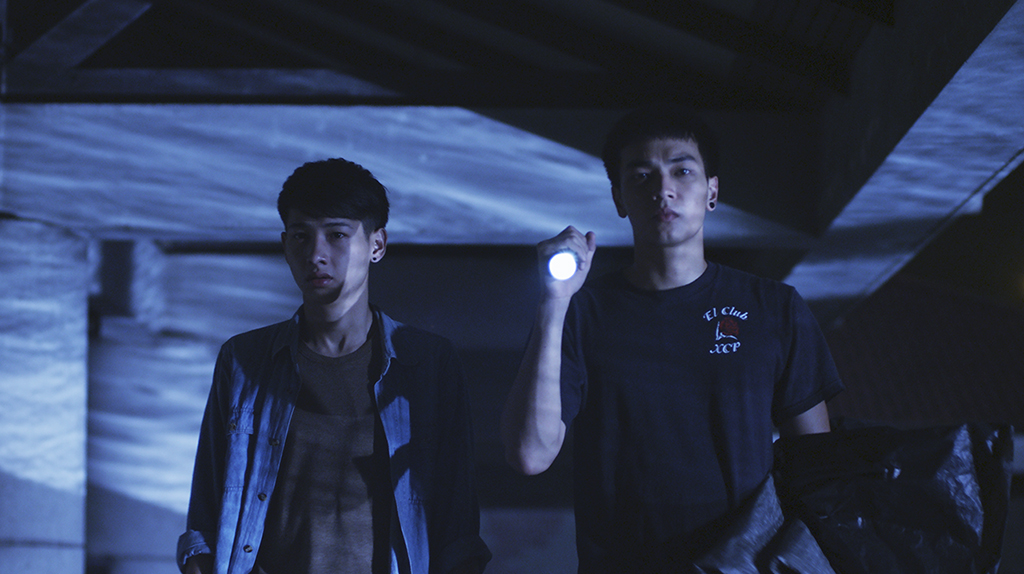
Set against the backdrop of urban decay and eerie landscapes, “The Blue Hour” tells the story of Tam, a young man struggling with his identity and family issues. Tam meets Phum, a mysterious boy he encounters at an abandoned swimming pool, and the two form an intense bond. As their relationship deepens, the line between reality and the supernatural begins to blur, leading to unsettling and mysterious events.

Themes and Symbolism

Identity and Acceptance

The film poignantly explores themes of identity and acceptance, particularly in the context of LGBTQ+ issues. Tam’s journey reflects the struggles faced by many individuals in seeking acceptance from themselves and others, highlighting the societal pressures and personal conflicts that accompany such journeys.

The Supernatural and Reality

“The Blue Hour” blurs the boundaries between the supernatural and reality, using eerie and surreal imagery to evoke a sense of mystery and unease. This interplay challenges viewers to question what is real and what is imagined, adding depth to the narrative.

Isolation and Connection

Isolation is a recurring theme, depicted through Tam’s estrangement from his family and society. The film contrasts this with the connection he finds with Phum, illustrating the human need for companionship and understanding amidst loneliness.

Cinematic Techniques

The film is noted for its striking visual style, characterized by its use of lighting and color to create a dreamlike atmosphere. The “blue hour,” a time of day when the sky takes on a deep blue hue, serves as a metaphor for the film’s themes of transition and ambiguity.

Impact and Reception

“The Blue Hour” received critical acclaim for its bold storytelling and visual artistry. It was praised for its sensitive portrayal of LGBTQ+ themes and its ability to evoke strong emotional responses from audiences. The film has been screened at numerous international film festivals, contributing to the visibility of Thai cinema on the global stage.

Conclusion

“The Blue Hour” (2015) is a compelling exploration of identity, love, and the supernatural. Through its haunting narrative and evocative visuals, the film invites viewers to reflect on the complexities of human emotions and the often-blurred lines between reality and fantasy. Its impact on audiences and the film industry underscores its significance as a thought-provoking and artistically rich piece of cinema.
Head-On (Duvara Karşı): A Raw Exploration of Love and Identity

littlecellist.com – “Head-On” (Duvara Karşı) is a powerful German-Turkish film directed by Fatih Akin, released in 2004. This critically acclaimed film is known for its raw portrayal of love, identity, and the clash between traditional and modern values. Through its compelling narrative and intense performances, “Head-On” offers a gripping exploration of the complexities of human relationships and cultural identity.

Plot Overview

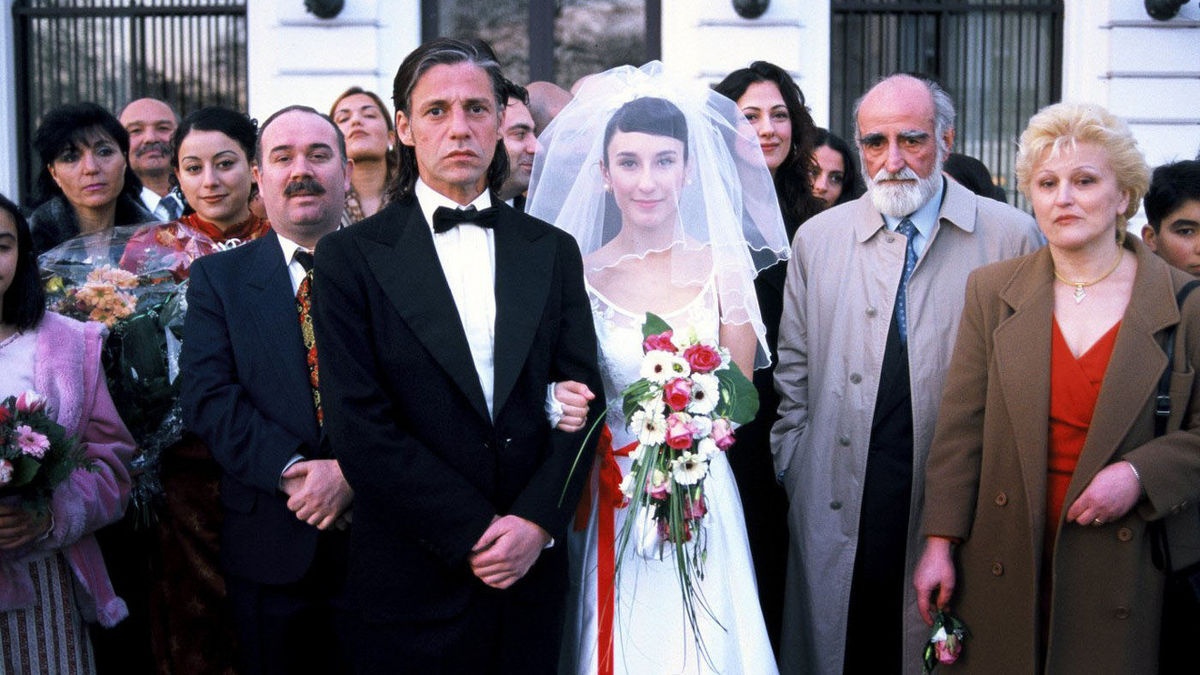
The film follows the tumultuous relationship between two Turkish immigrants in Germany: Cahit Tomruk and Sibel Güner. Cahit, a disillusioned man battling his own demons, meets Sibel, a spirited young woman desperate to escape her conservative family. In a bid for freedom, Sibel proposes a marriage of convenience to Cahit, allowing her to live a more liberated life. As they navigate their unusual arrangement, an unexpected and passionate love story unfolds, challenging both characters to confront their identities and past traumas.

Themes and Symbolism

“Head-On” delves deeply into themes of love, identity, and the struggle for self-acceptance. The film portrays the conflict between traditional cultural values and the desire for personal freedom, highlighting the challenges faced by immigrants straddling two worlds. Cahit and Sibel’s journey reflects the universal quest for belonging and the complexities of love as both a destructive and redemptive force.

The film’s title, “Head-On,” symbolizes the characters’ relentless pursuit of their desires and the headstrong nature of their actions. It also represents the collision of cultures and personal battles, as Cahit and Sibel confront societal expectations and their own inner turmoil.

Cinematic Style

Fatih Akin’s direction is marked by its gritty realism and emotional intensity. The film’s raw aesthetic, coupled with its dynamic cinematography, captures the chaotic and passionate essence of the story. The use of music, particularly the traditional Turkish soundtrack, enhances the emotional depth and cultural context of the film.

Reception and Impact

“Head-On” received widespread critical acclaim, winning the Golden Bear at the 2004 Berlin International Film Festival. The film’s unflinching portrayal of complex characters and its exploration of cultural identity resonated with audiences globally, earning it a place as a landmark in contemporary cinema. The performances of Birol Ünel and Sibel Kekilli were particularly lauded for their authenticity and emotional depth.

Conclusion

“Head-On” is a compelling film that tackles themes of love, identity, and cultural conflict with unflinching honesty. Through its intense narrative and powerful performances, the film offers a profound exploration of the human condition and the search for self-acceptance. Fatih Akin’s masterful direction ensures that “Head-On” remains a significant and influential work in the realm of international cinema.