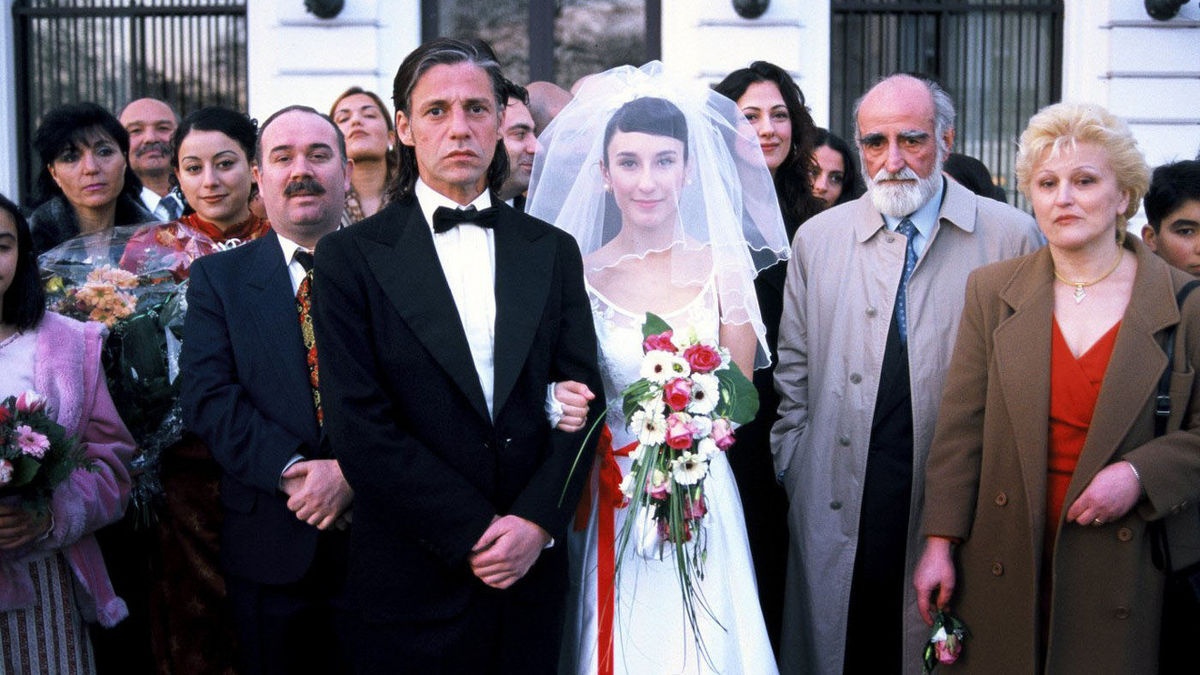
Tokyo Gore Police (2008) – Society and Violence

littlecellist.com – Tokyo Gore Police (2008), directed by Yoshihiro Nishimura, is a Japanese cult film that pushes the boundaries of horror, action, and satire. Known for its over-the-top gore, absurdly creative violence, and deep social commentary, the film quickly gained a reputation as one of the most extreme and bizarre films of its time. Set in a dystopian future where privatized police forces reign supreme, Tokyo Gore Police is a fearless, graphic exploration of a world consumed by corruption, bloodshed, and moral decay.

This audacious film blends elements of body horror, exploitation, and surrealism, creating an unsettling yet captivating experience that is equal parts grotesque and satirical. The film’s unapologetic gore, complex characters, and politically charged narrative make it a unique and unforgettable entry in the genre of Japanese extreme cinema. Tokyo Gore Police is not just a gore-fest—it’s a dark commentary on the nature of violence, capitalism, and the human body.

Plot Overview: A Futuristic Tokyo Overrun by Violence

Set in a near-future Tokyo, Tokyo Gore Police takes place in a world where the government has privatized its police forces. These “police corporations” are tasked with dealing with the outbreak of “engineered mutants” known as “Engineers,” who are criminals that possess grotesque, often weaponized body modifications. When someone becomes an Engineer, their body mutates in horrifying ways—transforming them into monsters with deadly appendages that are often used for violence and destruction.

The film follows Ruka (played by Eihi Shiina), a hard-as-nails female cop working for the privatized police force. As an expert in fighting Engineers, Ruka is tasked with hunting down these monstrous individuals, many of whom were once human but have been transformed through genetic experimentation. Ruka’s personal journey is intertwined with her brutal past—her father, once a key figure in the police force, was killed by an Engineer, which drives her relentless pursuit of these criminals.

As Ruka delves deeper into the world of Engineers, she uncovers dark secrets about the origins of the mutations and the corporations behind them. Her quest for revenge against the Engineers leads to a violent showdown, where the boundaries between human and monster, law and chaos, become increasingly blurred. The film is packed with intense, often grotesque action scenes, as Ruka and other characters confront violent and horrific mutations, all while exploring themes of power, corruption, and societal decay.

Themes: Capitalism, Corruption, and the Exploitation of the Body

At its core, Tokyo Gore Police is a sharp critique of capitalism, corporate greed, and the commodification of violence. The film is set in a world where the government has outsourced law enforcement to private corporations, creating a corrupt and brutal system where money and power drive every aspect of society. The privatization of the police force leads to a lack of accountability, with corporations profiting from violence and perpetuating an endless cycle of suffering and exploitation.

The Engineers themselves serve as a metaphor for the exploitation of the human body. Their horrific mutations—limbs transformed into deadly weapons, faces contorted into grotesque forms—represent the physical consequences of societal abuse and the loss of personal agency. In this world, the human body becomes a commodity, a tool for violence, and a means of control. The film uses body horror to make a bold statement about the dehumanizing effects of unchecked corporate power and the commodification of individuals.

In addition to its critique of capitalism, Tokyo Gore Police also examines themes of revenge, trauma, and identity. Ruka’s quest for vengeance is deeply personal, as she seeks justice for the death of her father, who was killed by an Engineer. Throughout the film, Ruka’s journey is marked by her struggle to retain her humanity in the face of overwhelming violence. Her evolving relationship with her own body and identity mirrors the transformations taking place in the world around her, as she is forced to reconcile her violent actions with her desire for justice.

Visual Style: Over-the-Top Gore and Stylized Violence

One of the most distinctive features of Tokyo Gore Police is its unapologetically extreme gore and violence. The film is infamous for its graphic depictions of bodily mutilation, with characters often being torn apart, dismembered, or transformed into grotesque creatures. The violence in the film is so exaggerated and over-the-top that it becomes almost cartoonish, yet its shock value is undeniable.

The special effects, created by the legendary Yoshihiro Nishimura, are a major highlight of the film. Nishimura, known for his work in films like The Machine Girl (2008) and Vampire Girl vs. Frankenstein Girl (2009), employs practical effects and prosthetics to create highly detailed and imaginative mutations. The Engineers’ transformations into grotesque, weaponized forms are presented with painstaking detail, showcasing the film’s commitment to practical effects over CGI.

The film’s blood-soaked action sequences are executed with a sense of dark humor and surrealism, as characters engage in extreme combat with exaggerated violence. The use of vibrant colors and stylized shots adds to the film’s unique visual language, making it feel like a hyper-real, twisted version of a comic book or graphic novel.

The extreme violence, though shocking, serves a narrative purpose. It reflects the corrupt and chaotic world in which the characters exist, where the human body is reduced to a tool for destruction. The visceral images are designed to evoke both disgust and fascination, forcing the audience to confront the unsettling consequences of a society that glorifies violence and exploitation.

Social Commentary: Violence and the Loss of Humanity

Beneath the gore and bloodshed, Tokyo Gore Police is deeply invested in exploring the impact of violence on society and the individual. The film portrays a dystopian world where violence has become normalized, where the line between law enforcement and criminality is blurred, and where human beings are turned into grotesque instruments of war. In this society, the police corporations are not interested in justice—they are only concerned with maintaining power and profiting from the violence they unleash.

The film’s portrayal of the Engineers, who are often victims of genetic experiments gone wrong, further underscores the dehumanizing effects of corporate greed. These individuals, once human, have been transformed into monstrous figures, a reflection of society’s willingness to sacrifice its own for profit and control. In this sense, the Engineers symbolize the loss of humanity in a world that values exploitation over compassion.

Tokyo Gore Police also serves as a critique of the relationship between the state, the police, and the citizenry. The privatization of law enforcement and the lack of oversight create a morally bankrupt system where the powerful are allowed to perpetuate violence without consequence. This bleak portrayal of a dystopian future echoes real-world concerns about the increasing influence of corporations in governmental affairs and the erosion of individual rights.

Legacy and Influence: A Cult Classic of Extreme Cinema

Upon its release, Tokyo Gore Police quickly became a cult classic, gaining a following among fans of extreme and exploitative cinema. Its unapologetic gore, innovative special effects, and unrelenting critique of capitalism and violence made it an unforgettable film in the landscape of Japanese and international horror. The film’s boldness and refusal to shy away from shock value have made it a touchstone for fans of splatter and grindhouse cinema.

While the film is not for everyone—its graphic content and relentless violence can be overwhelming for some—it has earned a dedicated fanbase that appreciates its subversive nature and boundary-pushing style. Tokyo Gore Police is frequently cited as a key film in the subgenre of “J-horror” and “Japanese splatter,” along with other films like The Machine Girl and Vampire Girl vs. Frankenstein Girl. Its unique blend of gore, satire, and social commentary has influenced numerous filmmakers working within the genre, and it remains a prime example of the kind of extreme, transgressive cinema that emerged from Japan in the early 2000s.

Conclusion: A Blood-Drenched Satire of Violence and Society

Tokyo Gore Police (2008) is a film that doesn’t pull any punches. Its grotesque violence, hyper-stylized visuals, and biting social commentary make it one of the most unique and daring films of its kind. The film’s critique of capitalism, corruption, and the exploitation of the human body is cleverly masked beneath layers of over-the-top gore and absurd humor. Whether you find it horrifying or fascinating, Tokyo Gore Police stands as a bold statement in the realm of extreme cinema, offering an unforgettable, blood-soaked ride through a dystopian world of chaos and corruption.

For fans of boundary-pushing horror, satire, and grotesque body horror, Tokyo Gore Police is an essential experience. It may not be for the faint of heart, but for those willing to dive into its disturbing world, the film provides a dark and twisted reflection of society, violence, and the human condition.
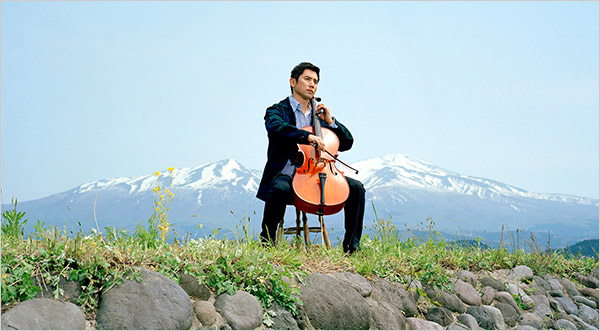
Departures (2008): A Touching Journey of Life, Death,

littlecellist.com – Departures (2008), directed by Yojiro Takita, is a deeply emotional and poignant film that explores themes of life, death, and the healing power of human connection. Set in Japan, the film follows Daigo Kobayashi (Takeshi Kaneshiro), a young man who unexpectedly finds himself working as a “encoffiner”—a person who prepares bodies for funeral rites. This occupation, both revered and misunderstood, becomes a journey of self-discovery as Daigo navigates the complexities of his past, relationships, and personal redemption.

With its rich exploration of grief, familial bonds, and the rituals surrounding death, Departures offers a moving meditation on the transient nature of life. The film’s sensitive treatment of these universal themes, combined with beautiful cinematography and powerful performances, earned it widespread acclaim, including the Academy Award for Best Foreign Language Film in 2009. Departures stands as a testament to the profound emotional resonance of cinema and the importance of finding meaning in life’s most difficult moments.

Plot Overview: A Journey into the World of Death

The film opens with Daigo Kobayashi, a cellist in a Tokyo orchestra, whose life is thrown into turmoil when the orchestra disbands. Struggling to find a new career, he returns to his hometown in rural Japan with his wife, Mika (Ryoko Hirosue), and begins looking for work. Daigo eventually stumbles upon an advertisement for a position as an “encoffiner,” which he mistakenly believes to be a job in the travel industry. When he discovers the true nature of the work—preparing the deceased for funerals and family rituals—he is initially repulsed, but out of desperation, he accepts the job.

Despite his initial aversion, Daigo quickly becomes immersed in his work, under the mentorship of the seasoned and kindhearted Mr. Ikai (Tsutomu Yamazaki), who teaches him the art of “encoffining.” As Daigo performs his duties, he begins to understand the profound significance of the rituals surrounding death and the role of the encoffiner in providing solace to the living. The delicate and respectful handling of the deceased becomes a means of both honoring the departed and helping their families come to terms with their loss.

As Daigo grows more comfortable with his profession, he is faced with emotional challenges from his past, particularly his strained relationship with his father, who abandoned him and his mother when Daigo was a child. The film explores Daigo’s internal struggle as he grapples with forgiveness, redemption, and the emotional complexities of his work. His journey is one of transformation, as he learns to accept both death and life’s inherent impermanence.

Themes: Life, Death, and the Healing Power of Ritual

The Cycle of Life and Death

Departures centers on the inevitable cycle of life and death, exploring how these two forces are intertwined and how individuals navigate their relationships with both. The film’s portrayal of death is not macabre or frightening, but rather a natural, dignified process that deserves respect. The encoffining ritual, in which Daigo and his mentor prepare bodies for their final resting place, is depicted with reverence and care. The ritual allows both the deceased and their families to find closure and peace.

In addition to its depiction of death, the film also highlights how life is shaped by the knowledge of mortality. Daigo’s own transformation is a reflection of this theme. At first, he sees his work as a means of survival, but as he gains a deeper understanding of the significance of his work, he begins to see it as a way to help the living, heal the grieving, and provide solace in times of loss. Through his experiences, the film suggests that life’s true meaning is often found in how we face death and the connections we form with others along the way.

Redemption and Forgiveness

A central theme of Departures is the idea of redemption, particularly in the context of Daigo’s strained relationship with his father. As the film progresses, Daigo confronts the emotional scars left by his father’s abandonment and the feelings of anger and betrayal that have haunted him for years. The encoffining work serves as a metaphor for the emotional labor required to heal these wounds—both in terms of caring for the dead and reconciling with the past.

Daigo’s journey is one of forgiveness—not only of his father but also of himself. As he comes to terms with his work and the humanity of the people he encounters, he learns that healing requires more than just physical care for the body; it also involves emotional and spiritual growth. The film delicately addresses the complexities of familial relationships, highlighting that forgiveness and reconciliation are integral to personal healing and transformation.

The Power of Ritual and Tradition

Departures also emphasizes the importance of ritual and tradition in the process of mourning and healing. In the film, the act of preparing the deceased for their final resting place is more than a job; it is an act of reverence, one that allows the living to process their grief and say goodbye. The film underscores how rituals surrounding death—whether it’s preparing a body, holding a funeral, or simply sitting with the grief of others—serve as vital cultural practices that help people cope with loss and find meaning in an otherwise chaotic world.

Through the characters’ interactions with the dead, Departures shows how ritual can bring a sense of peace, allowing individuals to face death with grace and dignity. Daigo’s growing respect for these rituals mirrors his own emotional maturation, and by the end of the film, he fully understands the significance of the work he does. Ritual becomes a way for individuals to regain control over their emotions and their lives, offering a path to healing that transcends the pain of loss.

Cinematic Style: A Beautiful and Intimate Approach

Yojiro Takita’s direction in Departures is marked by a delicate balance between emotional depth and understated simplicity. The film’s visual style is grounded in natural beauty, with the lush countryside and serene funeral scenes offering a sense of peace and tranquility amidst the story’s somber themes. Takita’s use of long takes and intimate close-ups allows the audience to connect deeply with the characters, making their personal journeys feel real and poignant.

The film’s pacing is also deliberate, with quiet, reflective moments interspersed with emotional highs and lows. The slow unfolding of Daigo’s personal journey mirrors the gradual process of coming to terms with life’s most profound realities. Takita’s direction ensures that the film never feels rushed or overly sentimental, allowing the audience to fully absorb the weight of each emotional moment.

Takeshi Kaneshiro’s performance as Daigo is a standout, bringing both vulnerability and strength to the character. His portrayal of a man grappling with grief, loss, and personal growth is understated yet deeply moving. The supporting cast, including Tsutomu Yamazaki as Mr. Ikai, delivers nuanced performances that enhance the film’s emotional resonance. The chemistry between the characters, particularly Daigo’s relationship with his wife Mika and Mr. Ikai, adds layers of warmth and humanity to the story.

Legacy and Influence: A Film That Resonates Universally

Departures is not just a Japanese film; it is a universal story that resonates with audiences around the world. Its exploration of death, grief, and the human need for connection speaks to people of all cultures and backgrounds. The film’s sensitive treatment of its themes allows it to transcend cultural boundaries, making it relatable to anyone who has experienced loss or struggled with their own sense of purpose.

The film’s success at the Academy Awards, where it won Best Foreign Language Film, introduced it to a global audience and cemented its place as one of the most important films of the 21st century. Its impact can be seen in the way it continues to inspire conversations about life, death, and the importance of human connection.

Conclusion: A Profound Reflection on Life’s Fragility

Departures (2008) is a moving and beautifully crafted film that offers a profound reflection on life, death, and the transformative power of human connection. Yojiro Takita’s masterful direction, combined with a powerful performance from Takeshi Kaneshiro, creates an emotionally rich experience that resonates long after the credits roll. The film’s delicate handling of themes such as redemption, forgiveness, and the role of ritual in healing makes it a standout in contemporary cinema, reminding audiences of the deep connections that bind us all in our shared humanity.

The Last Samurai (2003): A Tale of Honor & Cultural Conflict

littlecellist.com – The Last Samurai (2003), directed by Edward Zwick, is an epic historical drama that explores the complex and tumultuous period in Japanese history during the Meiji Restoration. The film stars Tom Cruise as Captain Nathan Algren, an American military officer hired to train the newly formed Japanese army, which is tasked with suppressing the samurai resistance to modernization. Set against the backdrop of Japan’s transition from a feudal society to a more Westernized and industrialized nation, The Last Samurai is both a visual spectacle and a poignant meditation on the clash of cultures, the price of honor, and the shifting tides of history.

While the film is not a direct historical account, it draws heavily on real events and characters from Japan’s history, particularly the Satsuma Rebellion of 1877. It combines thrilling battle sequences with emotional depth and explores themes of identity, honor, and the inevitable change that comes with modernization.

Plot Overview

The film follows Captain Nathan Algren, a disillusioned former soldier who has become haunted by his experiences in the American Indian Wars. Algren is hired by the Japanese government to help modernize the country’s military, which is trying to catch up with Western powers. The Japanese emperor and his government are intent on building a strong, Western-style army to defend the nation and consolidate their new power as they attempt to dismantle the old feudal order.

Algren is sent to Japan to train the new army in the use of modern weaponry and tactics, but soon finds himself caught up in the conflict between the samurai, the old warriors who refuse to accept the changing times, and the government forces determined to bring Japan into the modern world. During a battle with the samurai, Algren is captured and taken prisoner by the leader of the samurai rebellion, Katsumoto (played by Ken Watanabe).

As Algren spends time with the samurai, he becomes increasingly sympathetic to their cause, learning their way of life, understanding their values, and gaining respect for their code of honor. He bonds with Katsumoto, who represents the samurai ideals of loyalty, duty, and courage. Algren’s transformation is central to the story, as he gradually shifts from a man defined by his past traumas to someone who embraces the nobility and purpose of the samurai lifestyle.

Eventually, Algren must decide where his loyalties lie, as the conflict between the forces of modernization and the samurai culminates in a final battle. The film portrays Algren’s internal struggle as he tries to reconcile his own values with the demands of the changing world around him.

Themes: Honor, Cultural Conflict, and Transformation

Honor and Duty

One of the central themes in The Last Samurai is the concept of honor, especially as it relates to the samurai code of Bushido. Katsumoto and his followers embody a deep sense of personal and collective honor, which is grounded in loyalty, courage, and sacrifice. In contrast to the impersonal, pragmatic world of modern warfare and industrialization, the samurai way of life is depicted as a noble pursuit, defined by strict moral codes and an unwavering sense of duty.

Algren, initially a cynical and broken man, becomes increasingly drawn to the samurai’s code of honor. He is impressed by their selflessness, discipline, and commitment to each other. As Algren spends more time with the samurai, he sheds his earlier disdain for their antiquated ways and comes to see their struggle as a fight for preserving something more meaningful than mere survival. His own journey is one of redemption, as he gradually finds a sense of purpose and moral clarity in the samurai’s ideals.

The film explores how personal honor can lead to profound sacrifice, both on an individual and collective level. For Algren, embracing the samurai way means accepting the possibility of death and embracing the notion of dying with honor rather than living without purpose. This internal shift in Algren’s character is mirrored in his relationships with others, particularly with Katsumoto, who teaches him the value of self-discipline, honor, and sacrifice.

Cultural Clash and Transformation

The cultural conflict at the heart of The Last Samurai is symbolic of the broader societal transformation occurring in Japan during the late 19th century. The film depicts the clash between the traditional, feudal way of life, represented by the samurai, and the forces of modernization, symbolized by the imperial government and Western influence.

As Japan undergoes radical changes, the samurai are seen as relics of the past, clinging to a way of life that no longer fits the needs of a rapidly evolving nation. The samurai’s resistance to change is portrayed as both noble and tragic, as they strive to preserve their honor and traditions in the face of inevitable obsolescence. The Westernization of Japan, through industrialization and the adoption of Western military practices, challenges the samurai’s worldview and their place in society.

Algren’s transformation is symbolic of the larger cultural shift that Japan is experiencing. He begins the film as a representative of Western values—pragmatic, military, and distant from the samurai ethos—but over time, he becomes a bridge between the two worlds. His growing understanding of the samurai and their way of life allows him to appreciate the value of their traditions, while also recognizing the need for change in order to survive in a modernized world.

The film ultimately suggests that there is room for both traditions and modernization, but that this balance requires understanding, respect, and a willingness to adapt. The tension between the old and the new is portrayed as a painful but necessary part of the evolution of a society, and Algren’s role as a catalyst for this understanding makes him a central figure in the film’s exploration of cultural change.

The Price of Modernization

The Last Samurai also addresses the price of modernization and the human cost of progress. The samurai, who once served as the backbone of Japan’s military and social order, are rendered obsolete by the mechanization of warfare and the arrival of Western-style government. The film portrays the emotional toll that this change takes on individuals, particularly Katsumoto, who is unwilling to surrender his values and way of life.

Katsumoto’s leadership of the samurai rebellion is portrayed with tragic nobility, as he fights to protect his people and preserve their honor in a world that no longer values their existence. His battle is not just against the government, but against the cultural and personal disintegration caused by the march of progress. Katsumoto’s eventual fate underscores the deep cost of resisting change, while also highlighting the enduring legacy of the samurai’s code of honor.

In contrast, the government forces, equipped with modern weapons and technology, are shown to be impersonal and ruthless, willing to sacrifice human lives for political and military gain. The film critiques the cost of rapid industrialization and the loss of humanity that often accompanies it.

Cinematic Style and Visuals

Edward Zwick’s direction in The Last Samurai is marked by sweeping cinematography and action sequences that capture the grandeur and brutality of the period. The film’s battle scenes, while thrilling, are also carefully choreographed to emphasize the emotional stakes and the philosophical divide between the samurai and the modern army. The final battle, in particular, is a poignant and tragic reflection of the samurai’s doomed resistance against the forces of change.

The film’s visuals are breathtaking, with lush landscapes that showcase the beauty of 19th-century Japan, as well as the traditional architecture and customs that define the samurai way of life. The contrast between the natural beauty of the countryside and the mechanized destruction of modern warfare serves as a powerful visual metaphor for the film’s central themes of cultural conflict and transformation.

Reception and Legacy

Upon its release, The Last Samurai received generally positive reviews for its performances, especially that of Ken Watanabe as Katsumoto, whose portrayal of the noble samurai leader earned him a nomination for a Golden Globe. Tom Cruise’s performance was also praised for its emotional depth and growth, though some critics noted that the film took liberties with historical accuracy.

The film was a commercial success, grossing over $450 million worldwide, and it helped to reignite interest in samurai films and the historical period of the Meiji Restoration. The Last Samurai has since become a beloved film for its exploration of cultural change, honor, and personal redemption, and it remains one of the most well-known Western portrayals of samurai culture.

Conclusion

The Last Samurai (2003) is a powerful and visually stunning film that explores themes of honor, cultural conflict, and the price of modernization. Through the character of Nathan Algren, the film examines the emotional and moral challenges faced by individuals caught between two worlds—the fading tradition of the samurai and the rapidly advancing forces of Westernization. With its poignant portrayal of the samurai code and its critique of the cost of progress, The Last Samurai remains a compelling narrative of sacrifice, transformation, and the enduring value of honor in a changing world.

Mrs. Winterbourne (1996): Romantic Comedy with a Twist

littlecellist.com – Mrs. Winterbourne (1996), directed by Richard Benjamin, is a romantic comedy that mixes elements of mistaken identity, love, and family drama. Starring Shirley MacLaine, Brendan Fraser, and Ricki Lake, the film follows the story of a young woman who finds herself thrust into a wealthy family’s life after a case of mistaken identity. While the central plot focuses on the comedic and emotional journey of the protagonist, there is an understated role played by [insert actress’s name] as Nurse Allmeyer. Though uncredited, Nurse Allmeyer’s brief but memorable appearance in the film adds an important layer to the story’s unfolding drama.

Plot Overview: A Twist on Romance and Identity

The movie begins with the young, pregnant Patricia “Patty” Winterbourne (played by Ricki Lake), who is a poor, expectant woman on the run from a troubled past. After a tragic accident, she is mistakenly identified as the wife of a wealthy businessman, Hugh Winterbourne (Brendan Fraser), who had died in the same crash. As Patty is taken in by the Winterbourne family, she becomes entangled in their high-society lifestyle, dealing with their expectations and the complex emotions that arise from her newfound identity.

Throughout the story, Patty must navigate her deception while dealing with her growing feelings for Hugh’s brother, Bill (Mark Harmon), and unraveling the complex family dynamics of the Winterbourne clan. While the focus is on Patty’s journey and the romantic tension between the characters, Nurse Allmeyer, played by [insert actress’s name], plays a minor but noteworthy role within the film’s hospital setting.

Nurse Allmeyer: A Small but Key Role

Nurse Allmeyer, though uncredited, plays a vital yet understated role in the movie. Her brief appearance in the hospital sequence helps to set the tone for the drama and comedy that surrounds the central narrative. Although the character doesn’t receive much screen time, her presence contributes to the seamless unfolding of events that lead to Patty’s mistaken identity and the family’s involvement in her life.

As a nurse, she is part of a crucial scene where Patty is recovering from the accident and adjusting to her new life in the Winterbourne household. Nurse Allmeyer’s calm and professional demeanor provides a sense of stability during this tumultuous time for Patty. While she does not have a major impact on the story, her role highlights the smaller characters that help support the larger narrative, emphasizing the interconnectedness of the film’s plot.

The Role of Supporting Characters in Mrs. Winterbourne

Although Nurse Allmeyer’s screen time is minimal, her contribution to the overall story of Mrs. Winterbourne underscores the importance of every supporting character in shaping the film’s tone. While the central focus remains on Patty and the romantic comedy elements of the story, characters like Nurse Allmeyer provide moments of realism and balance in the midst of the emotional chaos and mistaken identity that drives the plot.

The inclusion of smaller roles such as Nurse Allmeyer’s enriches the overall narrative, adding depth to the film’s atmosphere. Supporting characters in films like Mrs. Winterbourne often provide pivotal moments that ground the comedy and emotional shifts, ensuring that the primary characters’ journeys feel realistic and engaging.

A Film of Family, Love, and Deception

At its heart, Mrs. Winterbourne is a film about love, family dynamics, and the consequences of deception. Patty’s unexpected entry into the wealthy Winterbourne family is at the center of the film’s comedic and emotional beats. While Nurse Allmeyer’s role is small, it is crucial in maintaining the flow of the film’s larger themes, particularly those surrounding the mistaken identity at its core.

The film explores how people cope with the unraveling of their own identities and the lies that they are forced to live with. Patty’s struggle to keep up the ruse while falling for a man who believes she is someone else is the driving force of the movie, and even small characters like Nurse Allmeyer help to keep the story moving forward in a grounded way.

Conclusion

Mrs. Winterbourne (1996) is a romantic comedy that mixes humor, love, and dramatic moments, with a unique twist of mistaken identity. Nurse Allmeyer, portrayed by [insert actress’s name], might not have a large presence in the film, but her role in the hospital scenes provides an essential backdrop to the larger narrative. Even though uncredited, the character contributes to the film’s atmosphere, offering moments of realism and balance as the main characters navigate the tangled web of deception, love, and family.

In a film where every character, no matter how minor, plays a role in the unfolding drama, Nurse Allmeyer adds a subtle yet meaningful touch. Her appearance in Mrs. Winterbourne reminds us that even the smallest of roles can impact the overall emotional journey of a film, contributing to its charm and depth.

The Dolls (1965): A Timeless Tapestry of Love and Life

littlecellist.com – The Dolls (original title: Le Bambole), a 1965 Italian comedy-drama anthology film, is a captivating exploration of love, desire, and the complexities of human relationships. Directed by a quartet of renowned Italian filmmakers—Mauro Bolognini, Luigi Comencini, Dino Risi, and Franco Rossi—this cinematic gem showcases the talents of iconic actresses Gina Lollobrigida, Monica Vitti, Virna Lisi, and Elke Sommer. With its witty dialogue, stunning visuals, and thought-provoking narratives, The Dolls remains a timeless classic that continues to enchant audiences worldwide.   

A Tapestry of Four Tales

The Dolls is comprised of four distinct, yet interconnected stories, each offering a unique perspective on love and its myriad forms.   

  1. The Telephone Call (La telefonata): Directed by Dino Risi, this segment stars Virna Lisi as a young, beautiful housewife whose constant phone calls to her mother drive her husband (Nino Manfredi) to seek solace in the arms of another woman.   
  2. Treatise on Eugenics (Trattato di eugenica): Helmed by Franco Rossi, this story features Elke Sommer as a woman determined to find the perfect mate to father her child. Her quest leads her on a humorous and ultimately surprising journey.   
  3. The Soup (La minestra): Directed by Luigi Comencini, this segment stars Monica Vitti as a young woman who falls in love with a much older man. Their relationship is tested by societal expectations and the challenges of intergenerational love.
  4. Monsignor Cupid (Monsignor Cupido): Mauro Bolognini directs this tale of a charming priest (Jean Sorel) who becomes a matchmaker for the wealthy and influential. Gina Lollobrigida plays a glamorous widow who becomes entangled in his web of love and intrigue.   

A Masterclass in Filmmaking

The Dolls is a masterpiece of Italian cinema, showcasing the country’s rich cinematic tradition. The film’s four directors bring their unique styles and sensibilities to each segment, resulting in a diverse and engaging viewing experience. The cinematography is stunning, capturing the beauty of Rome and its surrounding countryside. The costumes and set design are equally impressive, immersing the viewer in the glamorous world of high society.

A Timeless Legacy

The Dolls is more than just a collection of entertaining stories. It is a poignant reflection on the human condition, exploring themes of love, loss, desire, and the pursuit of happiness. The film’s enduring appeal lies in its ability to resonate with audiences across generations. Its witty dialogue, memorable characters, and timeless message continue to captivate viewers, making it a true classic of Italian cinema.

Conclusion

The Dolls is a cinematic gem that deserves to be celebrated. Its four interconnected stories offer a rich and varied tapestry of human experience, exploring the complexities of love, desire, and the pursuit of happiness. With its stellar cast, stunning visuals, and thought-provoking themes, The Dolls remains a timeless classic that continues to inspire and entertain audiences worldwide.

More Than Blue: Unspoken Love and Heartbreaking Sacrifice

littlecellist.com – “More Than Blue” (슬픔보다 더 슬픈 이야기, Seulpeumboda Deo Seulpeun Iyagi, literally “A Story Sadder Than Sadness”), a 2009 South Korean romantic melodrama film directed by Won Tae-yeon, is a poignant and deeply moving exploration of unconditional love, sacrifice, and the enduring power of human connection. The film’s narrative structure and emotional depth have resonated with audiences, making it a memorable and often tearful cinematic experience.

A Bond Forged in Shared Pain

The film centers on the intertwined lives of K (Kim Bum), a man diagnosed with terminal cancer, and Cream (Lee Bo-young), an orphaned woman who is his closest companion and soulmate. They have lived together as family for years, sharing a deep bond that transcends conventional definitions of friendship or romance.

K, knowing his time is limited, dedicates himself to finding a suitable husband for Cream. He wants to ensure her happiness and security after he is gone, believing that she deserves a fulfilling life beyond the shadow of his illness.

A Heartbreaking Act of Selflessness

K’s efforts to find Cream a husband are driven by a profound act of selflessness. He believes that he cannot offer her the future she deserves due to his impending death. He orchestrates a meeting between Cream and Joo-hwan (Joo Jin-mo), a kind and successful dentist, believing that Joo-hwan can provide her with the stability and love she needs.   

The film portrays K’s internal struggle as he watches Cream develop a relationship with Joo-hwan. He must suppress his own deep feelings for her, knowing that revealing them would only cause her more pain in the long run.

Unspoken Love and Hidden Sacrifices

“More Than Blue” is a story filled with unspoken love and hidden sacrifices. K’s love for Cream is profound and unconditional, driving him to make the ultimate sacrifice for her happiness. Cream, unaware of the full extent of K’s illness and his feelings for her, also harbors deep affection for him, which she struggles to express.   

The film’s narrative structure, which unfolds through flashbacks and reveals hidden truths, gradually unveils the depth of the characters’ emotions and the complexities of their relationships.

Themes of Love, Sacrifice, and Loss

“More Than Blue” explores several powerful themes:

  • Unconditional Love: The film portrays a love that is selfless and unwavering, characterized by sacrifice and devotion. K’s love for Cream transcends his own needs and desires, focusing solely on her well-being.
  • Sacrifice and Selflessness: The film emphasizes the power of selflessness and the lengths people will go to for those they love. K’s actions are driven by a desire to protect Cream from pain, even if it means sacrificing his own happiness.
  • Loss and Grief: The film deals with the themes of loss and grief in a poignant and realistic manner. It explores the emotional impact of terminal illness and the challenges of coping with the loss of a loved one.   
  • The Importance of Communication: The film also highlights the importance of communication in relationships. The characters’ inability to fully express their feelings leads to misunderstandings and missed opportunities.

A Melodrama That Resonates with Emotion

“More Than Blue” is a deeply emotional and moving film that explores the complexities of love, sacrifice, and loss. The performances of Kim Bum, Lee Bo-young, and Joo Jin-mo are captivating, bringing depth and sincerity to their characters. The film’s poignant story, combined with its evocative soundtrack and beautiful cinematography, creates a truly memorable and often heartbreaking cinematic experience. It stands as a testament to the enduring power of love and the sacrifices we make for those we cherish.

The Call: A Chilling Time-Bending Thriller

littlecellist.com – The Call (Korean: 콜; RR: Kol) is a 2020 South Korean thriller film directed by Lee Chung-hyun. This film presents a unique and suspenseful premise: two women living in different time periods are connected by a mysterious phone call. What begins as a seemingly harmless connection quickly spirals into a dangerous game with deadly consequences.   

Two Women, Two Time Periods, One Phone Call

The story revolves around two women: Seo-yeon (Park Shin-hye), who lives in the present day (2019), and Young-sook (Jeon Jong-seo), who lives in the same house 20 years earlier (1999). Seo-yeon returns to her childhood home, which is now empty, and finds an old cordless phone. When she plugs it in, she receives a call from Young-sook, who is living in the same house two decades in the past.   

A Dangerous Friendship with Unforeseen Consequences

Initially, the two women form a bond, sharing details about their lives and even helping each other with small tasks across time. However, their relationship takes a dark turn when Seo-yeon discovers that Young-sook is connected to a series of unsolved murders that occurred in the past. When Seo-yeon warns Young-sook about her impending fate, Young-sook takes drastic measures to change her own destiny, inadvertently altering the present for Seo-yeon in terrifying ways.   

A Twisting Narrative with Time-Altering Stakes

The Call masterfully utilizes the time-bending premise to create a suspenseful and unpredictable narrative. Every action taken by Young-sook in the past has ripple effects on Seo-yeon’s present, leading to shocking twists and turns. The film keeps the audience on edge, constantly questioning how the past and present will intertwine and what the ultimate consequences will be.   

Strong Performances That Drive the Tension

The success of The Call hinges on the powerful performances of its two lead actresses. Park Shin-hye delivers a compelling performance as Seo-yeon, portraying her growing fear and desperation as her present is altered by Young-sook’s actions. Jeon Jong-seo gives a chilling and captivating performance as Young-sook, embodying a character who becomes increasingly unhinged and dangerous. The dynamic between the two actresses is electric, driving the tension and suspense of the film.   

A Psychological Thriller with Horror Elements

While primarily a thriller, The Call incorporates elements of psychological horror, creating a truly unsettling atmosphere. The film explores themes of fate, free will, and the consequences of tampering with time. The psychological manipulation and emotional torment experienced by both characters add a layer of disturbing intensity to the narrative.

A Well-Crafted and Engaging Thriller

The Call is a well-crafted and engaging thriller that offers a fresh take on the time travel concept. Its suspenseful narrative, strong performances, and chilling atmosphere make it a captivating cinematic experience.

Around the World Under the Sea: A Deep Dive into Adventure

littlecellist.com – Around the World Under the Sea (1966) is a classic science fiction adventure film that takes viewers on a thrilling journey beneath the waves. Directed by Andrew Marton, the film follows a team of scientists aboard the nuclear-powered submarine, the Hydronaut, as they embark on a perilous mission to plant seismic sensors on the ocean floor to predict and prevent devastating earthquakes.   

A Stellar Cast

The film boasts a talented cast led by Lloyd Bridges, who portrays the charismatic and experienced Captain Doug Standish. The crew also includes Brian Kelly, Shirley Eaton, Gary Merrill, and David McCallum, each bringing their unique talents to their respective roles.   

Underwater Exploration and Danger

The film offers stunning underwater cinematography, showcasing the beauty and mystery of the deep sea. The crew encounters a variety of marine life, from playful dolphins to menacing sharks. As they traverse the ocean’s depths, they face a series of challenges, including equipment malfunctions, treacherous underwater currents, and encounters with dangerous sea creatures.   

A Race Against Time

The film’s plot is driven by a sense of urgency, as the crew must race against time to complete their mission before a catastrophic earthquake strikes. The ticking clock adds tension and excitement to the narrative, keeping viewers on the edge of their seats.

A Classic Sci-Fi Adventure

Around the World Under the Sea is a classic example of 1960s science fiction, blending adventure, suspense, and scientific exploration. While its special effects may not hold up to today’s standards, the film’s sense of wonder and its exploration of the unknown continue to captivate audiences.  

Conclusion

Whether you’re a fan of classic science fiction or simply enjoy a good adventure story, Around the World Under the Sea is a must-watch. Its stunning underwater visuals, thrilling plot, and memorable characters make it a timeless cinematic experience.

The Klansman: A Controversial and Infamous Film

littlecellist.com – Released in 1974, The Klansman is a controversial American drama film that has been widely criticized for its sensationalized and often inaccurate portrayal of the Ku Klux Klan and the racial tensions of the Reconstruction era. Directed by Terence Young and starring a cast that includes Lee Marvin, Richard Burton, Cameron Mitchell, and O.J. Simpson, the film was based on the 1967 novel of the same name by William Bradford Huie.   

A Tale of Racial Strife and Revenge

The film is set in the aftermath of the Civil War in the American South. It follows the story of a black man who is wrongly accused of raping a white woman. This accusation sparks a wave of racial violence, as the Ku Klux Klan terrorizes the local community. The film depicts a series of brutal attacks, lynchings, and cross burnings, as well as the efforts of a few courageous individuals to bring justice to the oppressed.   

A Controversial Legacy

The Klansman was met with mixed reviews upon its release, with many critics condemning its sensationalism and its oversimplified portrayal of the complex issues of race and racism in the American South. The film was also criticized for its graphic violence and its use of racial stereotypes.   

Despite its controversial nature, The Klansman has a cult following among fans of exploitation cinema. Its over-the-top performances, lurid violence, and melodramatic plot have made it a guilty pleasure for some viewers. However, the film’s historical inaccuracies and its insensitive portrayal of racial violence have led to its reputation as one of the worst films ever made.   

A Cautionary Tale

While The Klansman is a flawed film, it does serve as a cautionary tale about the dangers of hate and intolerance. The film’s depiction of the Ku Klux Klan’s reign of terror is a stark reminder of the dark side of human nature. However, the film’s sensationalized and often inaccurate portrayal of history has led to its reputation as a deeply problematic and offensive work.

Darling: A Haunting Portrait of the Swinging Sixties

littlecellist.com Darling, a 1965 British film directed by John Schlesinger, is a captivating and morally ambiguous exploration of the Swinging Sixties. The film follows the life of Diana Scott, a young and ambitious model who navigates the superficial world of fame, fashion, and fleeting relationships.   

A Woman Ahead of Her Time

Julie Christie delivers a mesmerizing performance as Diana Scott, a woman who embodies the spirit of the era. Her character is both alluring and repelling, a complex figure who is both victim and architect of her own downfall. Diana’s pursuit of pleasure and success leads her down a path of self-destruction, as she sacrifices her integrity and relationships for fleeting moments of gratification.   

A Dark Reflection of the Swinging Sixties

Darling offers a critical and unflinching look at the superficiality and moral decay of the Swinging Sixties. The film exposes the emptiness and loneliness that often underlie the pursuit of fame and fortune. Diana’s relentless pursuit of pleasure and status ultimately leaves her feeling isolated and unfulfilled.

The film’s stylish and visually striking cinematography captures the glamour and decadence of the era, while also highlighting the underlying emptiness and nihilism. The soundtrack, composed by John Dankworth, perfectly complements the film’s mood, creating a sense of both excitement and melancholy.

A Timeless Exploration of Desire and Disillusionment

Despite being a product of its time, Darling remains relevant today. Its exploration of themes such as ambition, love, and the pursuit of happiness continues to resonate with audiences. The film’s critique of materialism and superficiality is as timely as ever, as we continue to grapple with the pressures of modern society.

Darling is a haunting and thought-provoking film that challenges conventional notions of morality and success. It is a testament to the power of cinema to explore the complexities of the human condition and to expose the darker side of the human heart.

Batman Begins: A Dark Knight Rises – A Dark and Gritty Reboot

littlecellist.com – Batman Begins (2005), directed by Christopher Nolan, is a critically acclaimed superhero film that reimagines the iconic DC Comics character for a new generation. The film delves into the origins of Bruce Wayne’s transformation into Batman, a masked vigilante who fights crime in the corrupt city of Gotham.   

A Dark and Gritty Reboot

Nolan’s film takes a darker and more realistic approach to the Batman mythos, exploring themes of fear, loss, and the human condition. The film’s gritty and realistic tone sets it apart from previous Batman adaptations, offering a more mature and complex take on the character.

A Stellar Cast

The film features a stellar cast, including Christian Bale as Bruce Wayne/Batman, Michael Caine as Alfred Pennyworth, Gary Oldman as Lieutenant James Gordon, Liam Neeson as Ra’s al Ghul, and Katie Holmes as Rachel Dawes.

A Critical and Commercial Success

Batman Begins was a critical and commercial success, praised for its strong performances, innovative storytelling, and stunning visuals. The film’s dark and gritty tone, combined with its exploration of complex themes, resonated with audiences and critics alike.

A New Era of Superhero Films

Batman Begins is considered a pivotal moment in the history of superhero films. Its success paved the way for a new era of darker, more realistic superhero adaptations, inspiring a wave of critically acclaimed films that pushed the boundaries of the genre.

The Siege of Firebase Gloria: A Gripping Vietnam War Film

littlecellist.com – Released in 1989, “The Siege of Firebase Gloria” is a war film directed by Brian Trenchard-Smith. The movie offers a harrowing depiction of the Vietnam War, focusing on the intense battle at a remote military outpost. It stands out for its raw portrayal of the chaos and brutality of combat, capturing the psychological and physical challenges faced by soldiers.

Plot Overview

The film follows a group of U.S. Marines stationed at Firebase Gloria, a critical military outpost during the Vietnam War. As the Tet Offensive erupts, the outpost becomes a target for the Viet Cong, leading to a desperate and bloody siege. The story centers on the efforts of the Marines, led by tough and seasoned Sgt. Maj. Bill Hafner, played by R. Lee Ermey, and his second-in-command, Cpl. Joseph L. DiNardo, portrayed by Wings Hauser, as they fight to hold their position against overwhelming odds.

Characters and Performances

R. Lee Ermey, known for his authentic portrayals of military characters, delivers a powerful performance as Sgt. Maj. Bill Hafner. His character embodies the resilience and determination of soldiers facing the relentless pressures of war. Wings Hauser, as Cpl. DiNardo, provides a compelling portrayal of a soldier grappling with the chaos around him, contributing to the film’s intense atmosphere.

Themes and Analysis

“The Siege of Firebase Gloria” explores themes of survival, brotherhood, and the moral complexities of war. It presents a stark depiction of the Vietnam War, emphasizing the relentless and unpredictable nature of combat. The film delves into the psychological strain experienced by soldiers, highlighting their courage and camaraderie in the face of overwhelming adversity.

Cultural and Cinematic Impact

While not as widely known as some other Vietnam War films, “The Siege of Firebase Gloria” has gained a cult following for its realistic portrayal of military life and combat. Its gritty and intense depiction of warfare offers viewers a raw and unfiltered look at the challenges faced by soldiers during the Vietnam War.

Conclusion

In summary, “The Siege of Firebase Gloria” is a gripping and intense war film that captures the harsh realities of the Vietnam War. Through its compelling characters and realistic portrayal of combat, it offers a powerful and thought-provoking look at the experiences of soldiers during one of the most tumultuous periods in American military history.

The Blue Hour (2015): A Exploration of Identity and Mystery

littlecellist.com – “The Blue Hour” (2015) is a Thai drama film directed by Anucha Boonyawatana that delves into themes of identity, love, and the supernatural. This atmospheric film stands out for its haunting visuals and exploration of complex human emotions, offering audiences a unique cinematic experience. In this article, we will explore the film’s narrative, themes, and its impact on viewers and the film industry.

Plot Summary

Set against the backdrop of urban decay and eerie landscapes, “The Blue Hour” tells the story of Tam, a young man struggling with his identity and family issues. Tam meets Phum, a mysterious boy he encounters at an abandoned swimming pool, and the two form an intense bond. As their relationship deepens, the line between reality and the supernatural begins to blur, leading to unsettling and mysterious events.

Themes and Symbolism

Identity and Acceptance

The film poignantly explores themes of identity and acceptance, particularly in the context of LGBTQ+ issues. Tam’s journey reflects the struggles faced by many individuals in seeking acceptance from themselves and others, highlighting the societal pressures and personal conflicts that accompany such journeys.

The Supernatural and Reality

“The Blue Hour” blurs the boundaries between the supernatural and reality, using eerie and surreal imagery to evoke a sense of mystery and unease. This interplay challenges viewers to question what is real and what is imagined, adding depth to the narrative.

Isolation and Connection

Isolation is a recurring theme, depicted through Tam’s estrangement from his family and society. The film contrasts this with the connection he finds with Phum, illustrating the human need for companionship and understanding amidst loneliness.

Cinematic Techniques

The film is noted for its striking visual style, characterized by its use of lighting and color to create a dreamlike atmosphere. The “blue hour,” a time of day when the sky takes on a deep blue hue, serves as a metaphor for the film’s themes of transition and ambiguity.

Impact and Reception

“The Blue Hour” received critical acclaim for its bold storytelling and visual artistry. It was praised for its sensitive portrayal of LGBTQ+ themes and its ability to evoke strong emotional responses from audiences. The film has been screened at numerous international film festivals, contributing to the visibility of Thai cinema on the global stage.

Conclusion

“The Blue Hour” (2015) is a compelling exploration of identity, love, and the supernatural. Through its haunting narrative and evocative visuals, the film invites viewers to reflect on the complexities of human emotions and the often-blurred lines between reality and fantasy. Its impact on audiences and the film industry underscores its significance as a thought-provoking and artistically rich piece of cinema.

“Tabula Rasa” (2014): Tale of Food, Culture, and Redemption

littlecellist.com – “Tabula Rasa,” a 2014 Indonesian film directed by Adriyanto Dewo, offers a delightful blend of culinary artistry and human connection. The film explores themes of redemption, hope, and the cultural significance of food, capturing the essence of Indonesian diversity and hospitality.

Plot Summary

The story follows Hans, a young man from Papua, who dreams of becoming a professional soccer player. However, his aspirations are crushed when he suffers a career-ending injury. Disheartened and adrift in Jakarta, Hans encounters Mak, a Minang restaurant owner, who takes him under her wing. The film chronicles Hans’s journey as he learns the art of cooking Minang cuisine, discovering a sense of belonging and purpose.

Cultural Significance of Food

“Tabula Rasa” highlights the central role that food plays in Indonesian culture, serving as a bridge between diverse communities. The film showcases mouth-watering Minang dishes, emphasizing how cooking and sharing food can foster connection and healing. Through Mak’s mentorship, Hans learns not only culinary skills but also the importance of preserving cultural heritage.

Character Development and Performances

Jimmy Kobogau delivers a compelling performance as Hans, portraying his character’s transformation with authenticity and depth. Dewi Irawan shines as Mak, offering a warm and nuanced portrayal of a woman whose resilience and compassion inspire those around her. The chemistry between the cast members underscores the film’s heartfelt narrative.

Themes of Redemption and Belonging

At its core, “Tabula Rasa” is a story about second chances and finding one’s place in the world. Hans’s journey from despair to hope is a testament to the power of community and acceptance. The film beautifully illustrates how new beginnings can emerge from unexpected places, and how food can serve as a catalyst for personal growth and reconciliation.

Cinematic Excellence

The film’s rich cinematography captures the vibrant streets of Jakarta and the intricate details of Minang cuisine, immersing viewers in a sensory experience. The thoughtful direction and screenplay by Adriyanto Dewo and Tumpal Tampubolon, respectively, ensure that the film resonates with audiences on both emotional and cultural levels.

Conclusion

“Tabula Rasa” is more than just a film about food; it is a celebration of Indonesia’s cultural diversity and the human spirit’s capacity for resilience. It invites viewers to savor the flavors of life and reminds us of the bonds that unite us through shared experiences.

Ichi the Killer (2001): A Exploration of Violence & Psychopathy

littlecellist.com – “Ichi the Killer,” directed by Takashi Miike and released in 2001, is a Japanese crime-horror film that has become notorious for its extreme depictions of violence and psychological complexity. Based on the manga of the same name by Hideo Yamamoto, the film delves into the dark recesses of human nature, exploring themes of sadism, masochism, and the psyche of a killer. It is a film that has both repelled and fascinated audiences worldwide, carving a niche for itself in the annals of cult cinema.

Plot Overview

The storyline of “Ichi the Killer” revolves around a yakuza enforcer named Kakihara, played by Tadanobu Asano, who embarks on a quest to find his missing boss. His journey leads him to Ichi, portrayed by Nao Omori, a psychologically troubled assassin manipulated into killing by a mysterious figure. The narrative unfolds in a grim urban landscape, punctuated by graphic scenes that reveal the depths of human depravity.

Thematic Exploration

At its core, “Ichi the Killer” is a study of violence, not just as a physical act but as a psychological phenomenon. The film portrays violence as both a source of empowerment and a manifestation of vulnerability. Kakihara, with his masochistic tendencies, represents the paradox of finding pleasure in pain, challenging traditional notions of strength and weakness. Conversely, Ichi embodies the duality of innocence and brutality, a character caught in the throes of his own mental turmoil.

Visual and Stylistic Elements

Takashi Miike’s directorial style in “Ichi the Killer” is marked by its visceral imagery and unflinching portrayal of gore. The film’s visual language is deliberately exaggerated, creating an aesthetic that is both surreal and disturbing. Miike employs a frenetic pace and dynamic camera work to heighten the intensity of the narrative, immersing viewers in a world where violence is both a spectacle and a narrative device.

Cultural Impact and Reception

Upon its release, “Ichi the Killer” sparked controversy due to its explicit content and themes. It was banned in several countries and faced criticism from various quarters. However, it also garnered a cult following, praised for its bold storytelling and Miike’s uncompromising vision. The film has been discussed extensively in critical circles, often cited as an example of extreme cinema that challenges viewers’ perceptions of morality and entertainment.

Conclusion

“Ichi the Killer” remains a provocative piece of cinema that pushes boundaries and elicits strong reactions. It is a film that demands to be seen not just as a narrative but as a commentary on the darker aspects of human nature. For those willing to confront its challenging content, “Ichi the Killer” offers a unique cinematic experience that lingers long after the credits roll.

Head-On (Duvara Karşı): A Raw Exploration of Love and Identity

littlecellist.com – “Head-On” (Duvara Karşı) is a powerful German-Turkish film directed by Fatih Akin, released in 2004. This critically acclaimed film is known for its raw portrayal of love, identity, and the clash between traditional and modern values. Through its compelling narrative and intense performances, “Head-On” offers a gripping exploration of the complexities of human relationships and cultural identity.

Plot Overview

The film follows the tumultuous relationship between two Turkish immigrants in Germany: Cahit Tomruk and Sibel Güner. Cahit, a disillusioned man battling his own demons, meets Sibel, a spirited young woman desperate to escape her conservative family. In a bid for freedom, Sibel proposes a marriage of convenience to Cahit, allowing her to live a more liberated life. As they navigate their unusual arrangement, an unexpected and passionate love story unfolds, challenging both characters to confront their identities and past traumas.

Themes and Symbolism

“Head-On” delves deeply into themes of love, identity, and the struggle for self-acceptance. The film portrays the conflict between traditional cultural values and the desire for personal freedom, highlighting the challenges faced by immigrants straddling two worlds. Cahit and Sibel’s journey reflects the universal quest for belonging and the complexities of love as both a destructive and redemptive force.

The film’s title, “Head-On,” symbolizes the characters’ relentless pursuit of their desires and the headstrong nature of their actions. It also represents the collision of cultures and personal battles, as Cahit and Sibel confront societal expectations and their own inner turmoil.

Cinematic Style

Fatih Akin’s direction is marked by its gritty realism and emotional intensity. The film’s raw aesthetic, coupled with its dynamic cinematography, captures the chaotic and passionate essence of the story. The use of music, particularly the traditional Turkish soundtrack, enhances the emotional depth and cultural context of the film.

Reception and Impact

“Head-On” received widespread critical acclaim, winning the Golden Bear at the 2004 Berlin International Film Festival. The film’s unflinching portrayal of complex characters and its exploration of cultural identity resonated with audiences globally, earning it a place as a landmark in contemporary cinema. The performances of Birol Ünel and Sibel Kekilli were particularly lauded for their authenticity and emotional depth.

Conclusion

“Head-On” is a compelling film that tackles themes of love, identity, and cultural conflict with unflinching honesty. Through its intense narrative and powerful performances, the film offers a profound exploration of the human condition and the search for self-acceptance. Fatih Akin’s masterful direction ensures that “Head-On” remains a significant and influential work in the realm of international cinema.

“Battle of Changsha” (2014): A Poignant Tale of War & Resilience

littlecellist.com – “Battle of Changsha” is a critically acclaimed Chinese television drama series that aired in 2014. Directed by Kong Sheng and produced by Hou Hongliang, the series is set against the backdrop of the Second Sino-Japanese War, offering a deeply human perspective on the impacts of war through the lives of ordinary people.

Plot Overview:

The series centers around the Hu family, particularly the 16-year-old Xiang Xiang and her elder brother, Hu Xiangjiang. As the Japanese invasion intensifies, the family is drawn into the turmoil, experiencing the devastating effects of war firsthand. The narrative follows their struggles for survival and the complex relationships that develop, including Xiang Xiang’s evolving relationship with Gu Qingming, a strict intelligence officer who returns from studying abroad to serve his country.

Themes and Symbolism:

“Battle of Changsha” explores themes of love, sacrifice, and the resilience of the human spirit. The series poignantly captures the chaotic and tragic nature of war, while also highlighting the strength and determination of those who endure it. Through the personal stories of its characters, the series delves into the emotional and psychological landscapes shaped by conflict.

Cinematic Style:

The series is renowned for its attention to detail and historical accuracy. Its powerful storytelling is complemented by strong performances, particularly from Wallace Huo and Andy Yang, who lead the cast. The cinematography effectively conveys the grim realities of war alongside moments of hope and beauty, creating a deeply immersive viewing experience.

Cultural Impact and Reception:

“Battle of Changsha” was well-received both domestically and internationally, praised for its compelling narrative and character development. It stands out as a significant work in Chinese television, offering a nuanced portrayal of a pivotal period in Chinese history. The series not only entertained but also educated viewers, prompting a deeper appreciation for the sacrifices made during the war.

Conclusion:

“Battle of Changsha” is more than just a war drama; it is a tribute to the resilience of those who lived through one of the most challenging times in modern history. By focusing on personal stories within the broader context of war, the series manages to convey a powerful message of hope and endurance, resonating with audiences around the world.

The Cinematic Masterpiece of Apocalypse Now: Heart of Darkness

littlecellist.com – “Apocalypse Now,” directed by Francis Ford Coppola and released in 1979, stands as one of the most iconic films in cinema history. Set against the backdrop of the Vietnam War, this epic war film delves into the psychological and moral complexities of warfare, drawing inspiration from Joseph Conrad’s novella, “Heart of Darkness.” Through its bold storytelling, unforgettable performances, and haunting visuals, “Apocalypse Now” explores the darkness within the human soul and the chaos of war.

The Story of Apocalypse Now:

The narrative follows Captain Benjamin L. Willard, portrayed by Martin Sheen, a disillusioned Army officer tasked with a covert mission: to travel upriver into Cambodia to assassinate Colonel Walter E. Kurtz, played by Marlon Brando. Kurtz, once a revered officer, has gone rogue, establishing a cult-like following deep in the jungle. As Willard journeys through the war-torn landscape, he encounters the madness and brutality of combat, reflecting on the thin line between sanity and insanity.

Themes and Messages:

  1. The Duality of Man:
    “Apocalypse Now” examines the dual nature of humanity, exploring how war can bring out both heroism and monstrosity. The film portrays the psychological impact of conflict on soldiers, highlighting the internal struggle between morality and savagery. Kurtz embodies this duality, as his descent into madness raises questions about the true nature of power and the human psyche.
  2. The Futility of War:
    The film offers a critique of the Vietnam War, emphasizing its senselessness and the chaos it wrought. Through vivid and often surreal depictions of battle, “Apocalypse Now” conveys the absurdity and destruction of war, serving as a powerful anti-war statement that resonates with audiences.
  3. Journey into the Unknown:
    Willard’s journey up the river symbolizes a descent into the unknown depths of the human spirit. The film’s structure mirrors a voyage into madness, where the jungle setting becomes a metaphor for the primal instincts lurking beneath civilization. This exploration of the unknown challenges viewers to confront their own fears and moral boundaries.

Cinematic Excellence:

“Apocalypse Now” is renowned for its groundbreaking cinematography and sound design. The film’s visual artistry, captured by cinematographer Vittorio Storaro, creates a mesmerizing and often surreal atmosphere. Coppola’s use of light and shadow intensifies the film’s themes, while the haunting soundscape, including the iconic use of “The Ride of the Valkyries,” enhances the surreal and chaotic experience.

Conclusion:

“Apocalypse Now” is more than just a war film; it is a profound exploration of the human condition and the horrors of conflict. Its impact on cinema and culture is undeniable, challenging audiences to question the morality of war and the darkness within themselves. As a masterpiece of storytelling and visual artistry, “Apocalypse Now” continues to captivate and provoke, leaving an indelible mark on the history of film.

Epic Saga Unveiled: “Bahubali: The Conclusion”

littlecellist.com – “Bahubali: The Conclusion” is a monumental Indian film directed by S.S. Rajamouli, released in 2017. As the second installment in the Bahubali series, this film captivated audiences worldwide with its grand storytelling, breathtaking visuals, and powerful performances. Below, we delve into what makes “Bahubali: The Conclusion” a cinematic phenomenon.

Plot and Narrative

“Bahubali: The Conclusion” picks up the story from where “Bahubali: The Beginning” left off, resolving the cliffhanger that intrigued audiences globally: “Why did Kattappa kill Bahubali?” The film explores the themes of loyalty, betrayal, and justice, as it follows the journey of Mahendra Bahubali (played by Prabhas) as he seeks to reclaim his kingdom and avenge his father’s death. The narrative intricately weaves together past and present, revealing the complex dynamics within the royal family of Mahishmati.

Spectacular Visuals and Direction

The film is renowned for its stunning visual effects and grandiose set designs. S.S. Rajamouli’s direction ensures that each scene is a visual treat, with elaborate battle sequences and majestic landscapes that transport viewers into the mythical world of Mahishmati. The meticulous attention to detail in costume design and set construction adds authenticity and richness to the epic tale. The film’s visual grandeur is complemented by the musical score, composed by M.M. Keeravani, which enhances the emotional depth and drama of the narrative.

Powerful Performances

The cast of “Bahubali: The Conclusion” delivers compelling performances that bring the epic tale to life. Prabhas shines in his dual role as Amarendra and Mahendra Bahubali, capturing the nobility and strength of his characters. Rana Daggubati’s portrayal of Bhallaladeva, the antagonist, is equally powerful, exuding menace and ambition. Anushka Shetty as Devasena and Ramya Krishnan as Sivagami add depth and complexity to their roles, portraying strong and resilient women who play pivotal roles in the unfolding drama.

Cultural Impact and Reception

Upon its release, “Bahubali: The Conclusion” shattered box office records and became one of the highest-grossing Indian films of all time. Its success extended beyond India, garnering international acclaim for its epic storytelling and cinematic excellence. The film’s cultural impact is significant, as it redefined the scope and scale of Indian cinema, setting new benchmarks for production values and narrative ambition.

Legacy and Influence

The legacy of “Bahubali: The Conclusion” extends beyond its commercial success. It has inspired a new wave of Indian filmmakers to explore grand narratives and invest in high-quality visual effects. The film has also sparked discussions about the potential of Indian cinema on the global stage, showcasing the industry’s ability to produce world-class entertainment.

In summary, “Bahubali: The Conclusion” is a landmark film that combines epic storytelling, dazzling visuals, and stellar performances to create a cinematic masterpiece. Its enduring appeal and cultural significance continue to resonate with audiences, solidifying its place in the pantheon of great films.

Romansa di Tengah Kekacauan: Asal Usul dan Cinta Joker

Kisah Joker, salah satu musuh terbesar Batman, dikenal bukan hanya karena kekacauannya, tetapi juga karena hubungan romantisnya yang unik dan penuh kontroversi. Di balik kegilaannya yang mewarnai dunia Gotham, Joker memiliki sisi yang memperlihatkan keintiman yang kompleks, terutama dalam hubungannya dengan Harley Quinn, yang menjadi pusat romansa penuh gejolak ini.

Asal Usul Joker: Kekacauan yang Lahir dari Tragedi

Asal usul Joker sering kali digambarkan dengan berbagai versi dalam komik dan film, namun satu tema yang selalu hadir adalah kegilaannya yang lahir dari tragedi. Dalam banyak versi cerita, Joker digambarkan sebagai seseorang yang mengalami serangkaian peristiwa traumatis yang mengubahnya menjadi simbol anarki. Salah satu versi yang terkenal adalah “The Killing Joke” karya Alan Moore, di mana Joker digambarkan sebagai seorang komedian gagal yang terjebak dalam situasi penuh keputusasaan. Setelah mengalami kecelakaan di pabrik kimia, ia terjatuh ke dalam cairan beracun yang mengubah penampilannya secara drastis: kulitnya menjadi putih, bibirnya merah darah, dan rambutnya hijau. Perubahan fisik ini menjadi cerminan transformasi mentalnya, di mana ia menyerah pada kegilaan dan kekacauan.

Harley Quinn: Kegilaan yang Dibagi

Joker mungkin sendiri sudah cukup gila untuk menciptakan kekacauan, tetapi kehadiran Harley Quinn dalam hidupnya menambah lapisan baru pada kepribadiannya. Harley Quinn, yang pertama kali muncul dalam seri animasi “Batman: The Animated Series”, adalah mantan psikiater Dr. Harleen Quinzel. Ketika ditugaskan untuk mempelajari Joker di Arkham Asylum, ia justru jatuh cinta pada pesona gila sang pangeran kriminal ini. Transformasinya dari psikiater yang penuh harapan menjadi kaki tangan setia Joker merupakan salah satu kisah paling menarik dalam dunia komik.

Hubungan Joker dan Harley Quinn adalah manifestasi romansa beracun yang dibumbui oleh kekerasan, manipulasi, dan kontrol. Joker sering memperlakukan Harley dengan kejam, tetapi di balik semua itu, ada aspek romansa yang sangat rumit. Harley percaya bahwa Joker mencintainya, meskipun dia sering mengabaikannya atau bahkan menyiksanya. Sisi manipulatif Joker membuat hubungan ini semakin tragis, karena Harley terus mencari validasi cintanya meskipun harus menghadapi penghinaan dan penderitaan.

Cinta dalam Kekacauan

Apa yang membuat hubungan Joker dan Harley begitu menarik adalah ambiguitas perasaan Joker. Di satu sisi, Joker tampak tidak mampu mencintai siapa pun selain dirinya sendiri. Namun, di sisi lain, beberapa cerita memperlihatkan momen-momen di mana Joker menunjukkan keterikatan emosional dengan Harley. Hubungan mereka lebih mirip dengan ketergantungan, di mana Harley selalu kembali kepada Joker meskipun disakiti, dan Joker menikmati perhatian serta pengabdian Harley.

Dalam berbagai cerita komik dan film, romansa mereka diwarnai oleh ketidakseimbangan kekuatan. Joker123 Login selalu menjadi pengendali, sementara Harley adalah yang dikendalikan. Namun, di beberapa versi, Harley akhirnya menyadari bahwa cinta ini beracun dan berusaha untuk lepas dari cengkeraman Joker. Hal ini menambah kedalaman karakter Harley Quinn, menjadikannya lebih dari sekadar “pelayan Joker” dan menjadi simbol perjuangan seseorang yang terjebak dalam hubungan yang merusak.

Simbolisme Romansa Joker

Romansa di tengah kekacauan yang dilambangkan oleh hubungan Joker dengan Harley adalah cerminan dari filosofi Joker itu sendiri. Joker percaya bahwa kehidupan tidak memiliki aturan dan keteraturan. Hubungan cintanya dengan Harley menegaskan konsep ini: tidak ada aturan atau batasan dalam cara mereka saling memperlakukan satu sama lain. Kekacauan, kekerasan, dan kegilaan menjadi fondasi dari apa yang disebut cinta dalam kehidupan Joker.

Namun, cinta Joker dengan Harley juga menyingkapkan sisi rapuh dari karakternya. Meskipun ia tampaknya tidak memiliki rasa kasih sayang yang tulus, hubungan tersebut memperlihatkan bahwa bahkan dalam kekacauan, masih ada keinginan untuk diakui dan dicintai. Joker, meskipun mengklaim bahwa dirinya adalah agen kekacauan yang murni, masih memiliki ikatan emosional, walaupun itu berwujud dalam bentuk yang menyimpang dan berbahaya.

Penutup: Romansa di Batas Kekacauan

Kisah cinta Joker, terutama dengan Harley Quinn, adalah gambaran romansa yang tidak biasa dan penuh paradoks. Di tengah-tengah kegilaannya, Joker memiliki keinginan untuk mencintai dan dicintai, meskipun ia mengekspresikannya melalui cara yang kejam dan manipulatif. Hubungan mereka adalah cerminan dari cinta yang terperangkap dalam kekacauan, di mana batas antara cinta dan kekerasan menjadi kabur.

Pada akhirnya, romansa Joker adalah pengingat bahwa cinta, dalam bentuk apa pun, dapat terdistorsi oleh keadaan, terutama dalam dunia yang penuh kekacauan seperti Gotham. Sisi romantis Joker, meskipun tidak konvensional, tetap menjadi bagian penting dari kepribadiannya yang menambah lapisan kompleksitas pada salah satu karakter paling ikonik dalam sejarah budaya populer.

Eternal Sunshine of the Spotless Mind: Memory and Love

littlecellist.com – “Eternal Sunshine of the Spotless Mind” is a critically acclaimed film that delves into the complexities of memory, love, and identity. Directed by Michel Gondry and written by Charlie Kaufman, the film was released in 2004 and has since become a cult classic. Its unique narrative structure and profound themes offer a thought-provoking experience for audiences.

Plot Overview

The film follows the story of Joel Barish, played by Jim Carrey, and Clementine Kruczynski, portrayed by Kate Winslet. After a tumultuous relationship, Clementine undergoes a procedure to erase all memories of Joel from her mind. Heartbroken upon discovering this, Joel decides to undergo the same procedure. However, as his memories of Clementine begin to fade, he realizes that he doesn’t want to forget her after all.

Themes and Analysis

Memory and Identity

One of the central themes of the film is the relationship between memory and identity. It poses the question: who are we without our memories? As Joel navigates through his disappearing memories, he grapples with the loss of his identity and the realization that his memories, even the painful ones, are integral to who he is.

Love and Imperfection

“Eternal Sunshine of the Spotless Mind” also explores the nature of love and the human tendency to idealize relationships. The film presents love as a complex and often flawed experience, emphasizing that imperfections are an intrinsic part of any relationship. Joel’s journey through his memories highlights the beauty in imperfection and the importance of acceptance in love.

Cinematic Techniques

The film is renowned for its innovative use of visual effects and narrative style. Michel Gondry employs practical effects, seamless editing, and a non-linear narrative to create a dreamlike quality that mirrors the fragmented nature of memory. This distinctive approach enhances the emotional impact of the story.

Reception and Legacy

Upon its release, “Eternal Sunshine of the Spotless Mind” received widespread critical acclaim. It won the Academy Award for Best Original Screenplay and was praised for its originality, performances, and emotional depth. The film’s exploration of universal themes has resonated with audiences, securing its place as a timeless piece of cinema.

Conclusion

“Eternal Sunshine of the Spotless Mind” remains a powerful exploration of the human condition, offering insights into the interplay between memory, love, and identity. Its inventive storytelling and profound themes continue to captivate viewers, making it a lasting testament to the complexities of human relationships.