“Tabula Rasa” (2014): Tale of Food, Culture, and Redemption

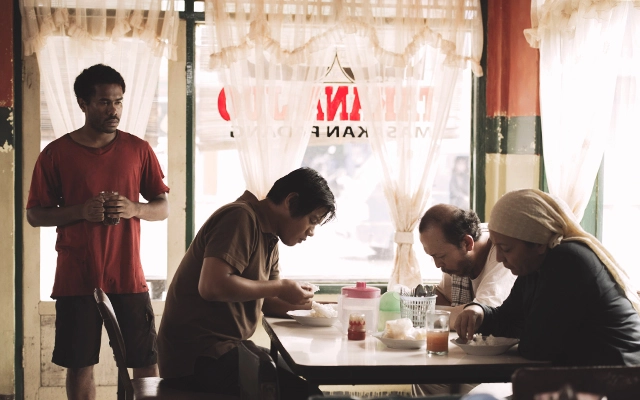
littlecellist.com – “Tabula Rasa,” a 2014 Indonesian film directed by Adriyanto Dewo, offers a delightful blend of culinary artistry and human connection. The film explores themes of redemption, hope, and the cultural significance of food, capturing the essence of Indonesian diversity and hospitality.

Plot Summary

The story follows Hans, a young man from Papua, who dreams of becoming a professional soccer player. However, his aspirations are crushed when he suffers a career-ending injury. Disheartened and adrift in Jakarta, Hans encounters Mak, a Minang restaurant owner, who takes him under her wing. The film chronicles Hans’s journey as he learns the art of cooking Minang cuisine, discovering a sense of belonging and purpose.

Cultural Significance of Food

“Tabula Rasa” highlights the central role that food plays in Indonesian culture, serving as a bridge between diverse communities. The film showcases mouth-watering Minang dishes, emphasizing how cooking and sharing food can foster connection and healing. Through Mak’s mentorship, Hans learns not only culinary skills but also the importance of preserving cultural heritage.

Character Development and Performances

Jimmy Kobogau delivers a compelling performance as Hans, portraying his character’s transformation with authenticity and depth. Dewi Irawan shines as Mak, offering a warm and nuanced portrayal of a woman whose resilience and compassion inspire those around her. The chemistry between the cast members underscores the film’s heartfelt narrative.

Themes of Redemption and Belonging

At its core, “Tabula Rasa” is a story about second chances and finding one’s place in the world. Hans’s journey from despair to hope is a testament to the power of community and acceptance. The film beautifully illustrates how new beginnings can emerge from unexpected places, and how food can serve as a catalyst for personal growth and reconciliation.

Cinematic Excellence

The film’s rich cinematography captures the vibrant streets of Jakarta and the intricate details of Minang cuisine, immersing viewers in a sensory experience. The thoughtful direction and screenplay by Adriyanto Dewo and Tumpal Tampubolon, respectively, ensure that the film resonates with audiences on both emotional and cultural levels.

Conclusion

“Tabula Rasa” is more than just a film about food; it is a celebration of Indonesia’s cultural diversity and the human spirit’s capacity for resilience. It invites viewers to savor the flavors of life and reminds us of the bonds that unite us through shared experiences.
Wholesome Foods from the Land: The Country Pantry

littlecellist.com – In a world where fast-paced living often leads to fast food choices, the allure of the countryside and its bounty has never been stronger. The Country Pantry is not just a concept; it’s a lifestyle that celebrates the simplicity, purity, and wholesomeness of food grown and nurtured by the land. This article delves into the heart of what The Country Pantry represents, exploring the connection between the land and the food that sustains us, and why this approach to eating is more relevant than ever.

The Essence of The Country Pantry

The Country Pantry is a testament to the age-old tradition of sourcing food directly from the land. It’s about embracing the seasons, understanding the soil, and respecting the cycles of nature. This philosophy doesn’t just apply to farming; it’s a way of life that values sustainability, community, and health.

Sustainability at Its Core

At the heart of The Country Pantry is the commitment to sustainability. This means farming practices that enrich the soil, conserve water, and reduce waste. It’s about choosing heirloom seeds over genetically modified organisms (GMOs) and ensuring that what we put back into the earth is as good as what we take out.

Community and Connection

The Country Pantry is also about community. It’s about knowing your farmer, understanding where your food comes from, and building relationships based on trust and mutual respect. This sense of connection is lost in the industrialized food system, but it’s alive and well in the world of The Country Pantry.

The Benefits of Wholesome Foods

Eating food that is grown locally and in season has numerous benefits, both for the individual and the planet. Nutritionally, these foods are often more nutritious, as they are harvested at the peak of ripeness and consumed shortly thereafter. They also tend to have a lower carbon footprint, as they don’t need to travel long distances to reach your plate.

Health and Wellness

The health benefits of a diet rich in wholesome, locally-sourced foods are well-documented. These foods are free from many of the additives, preservatives, and chemicals found in processed foods. They are also more likely to be organic, which means they are free from synthetic pesticides and fertilizers.

Environmental Impact

The environmental impact of choosing wholesome foods from the land cannot be overstated. By supporting local farmers and sustainable farming practices, we are helping to preserve the land for future generations. We are also reducing our carbon footprint and contributing to a more resilient food system.

Embracing The Country Pantry Lifestyle

Embracing The Country Pantry lifestyle is easier than you might think. It starts with small changes, like visiting your local farmers’ market, planting a garden, or even just choosing seasonal produce at your grocery store. As you become more connected to the food you eat, you’ll find that these changes lead to a more fulfilling and sustainable way of life.

Cooking with the Seasons

Cooking with the seasons is one of the most rewarding aspects of The Country Pantry lifestyle. Each season brings its own bounty, from the fresh greens of spring to the hearty root vegetables of winter. By cooking with what’s in season, you’ll not only enjoy the best flavors that nature has to offer, but you’ll also be supporting local farmers and reducing your environmental impact.

Preserving the Harvest

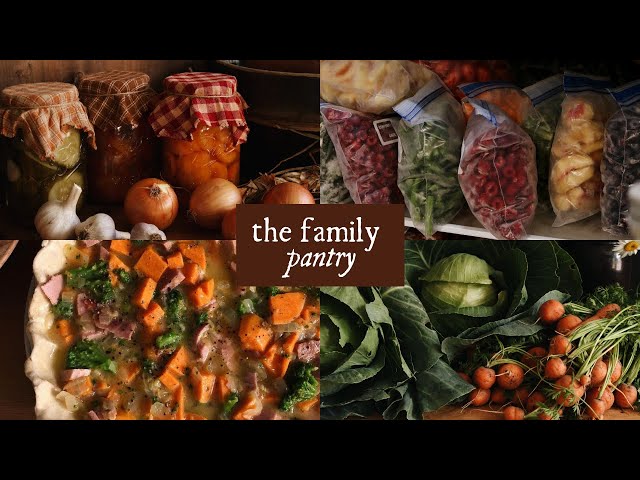
Preserving the harvest is another key component of The Country Pantry. Whether it’s canning, pickling, or freezing, preserving allows you to enjoy the flavors of the season all year round. It’s also a way to reduce waste and ensure that nothing goes to waste.

Conclusion

The Country Pantry represents a return to the basics of eating and living. It’s about valuing the land, the farmers, and the food that sustains us. By embracing The Country Pantry lifestyle, we can enjoy healthier, more fulfilling lives while also contributing to a more sustainable future. So, let’s celebrate the land and all that it provides, and rediscover the joy of wholesome foods from the land.