Baltimore, Maryland: A Historic City with Culture, Innovation

littlecellist.com – Baltimore, the largest city in Maryland, is a city of contrasts where rich history meets vibrant modernity. Located on the Chesapeake Bay, Baltimore is known for its picturesque waterfront, renowned cultural institutions, and a thriving arts scene. The city’s diverse neighborhoods, world-class museums, and innovative spirit make it an exciting place to visit or call home. Whether you’re drawn to its maritime heritage, passionate sports culture, or the eclectic mix of culinary offerings, Baltimore has something for everyone.

A City Steeped in History

Baltimore’s history plays a central role in shaping its identity. The city was a key player in the early years of the United States, from its role as a major port during the colonial period to its significant contributions during the War of 1812. One of the city’s most iconic landmarks, Fort McHenry, is where the famous battle of the War of 1812 took place, inspiring Francis Scott Key to pen “The Star-Spangled Banner.” Visitors can tour the historic fort, which is now a national monument, and learn about the pivotal role it played in American history.

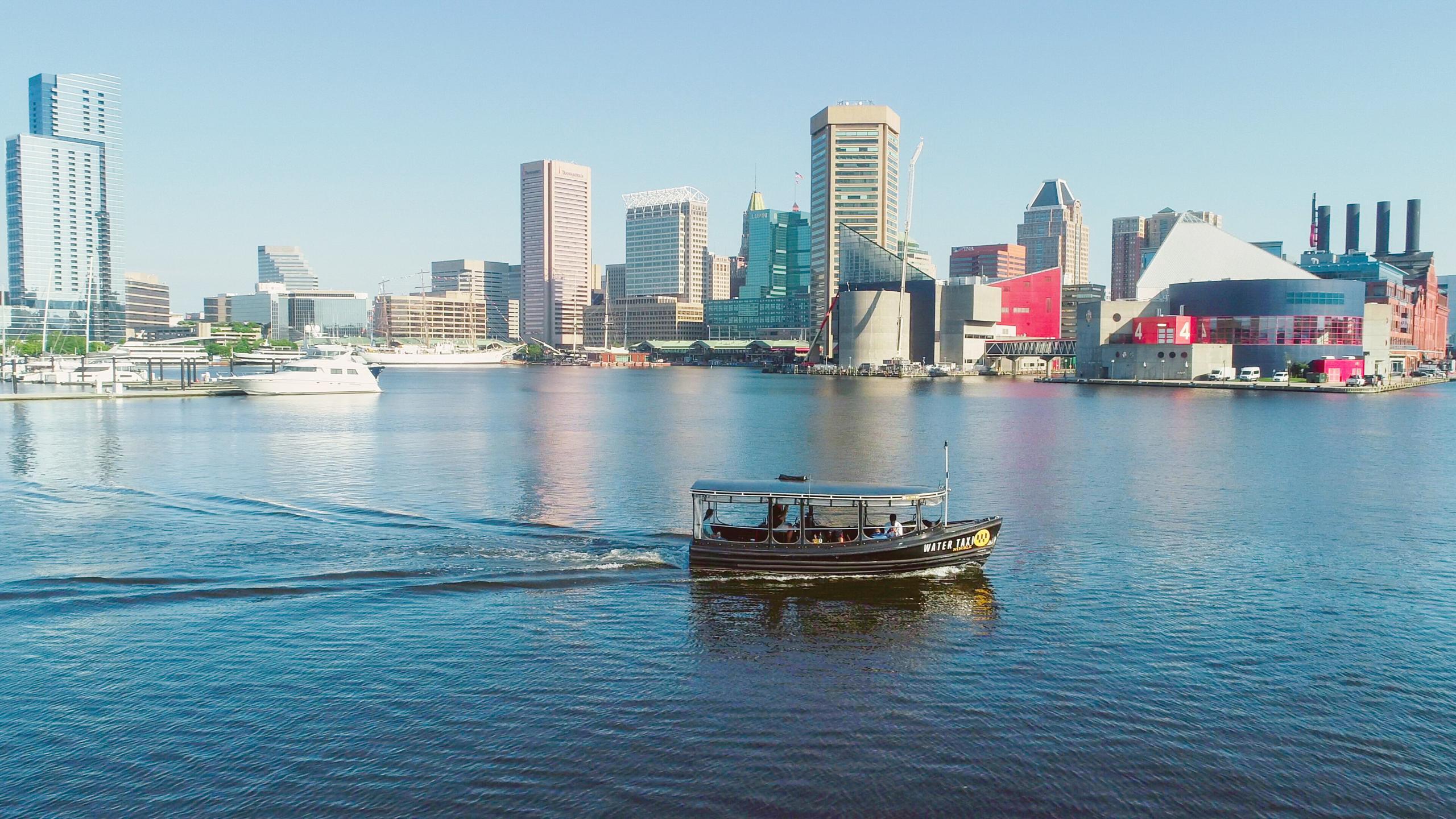
The Inner Harbor, one of Baltimore’s most famous areas, is another spot that reflects the city’s maritime roots. Once a bustling hub for trade and commerce, the Inner Harbor is now home to several museums, historic ships, and attractions. The National Aquarium, located on the harbor, is one of the city’s most popular destinations, featuring a wide array of marine life and educational exhibits.

Baltimore’s historical significance can also be explored in neighborhoods like Fell’s Point, a charming district with cobblestone streets and historic buildings. The area offers an immersive experience of Baltimore’s past while also boasting trendy shops, pubs, and waterfront views.

Cultural and Artistic Vibrancy

Baltimore is a city where art and culture thrive. The city boasts an impressive selection of museums and galleries, as well as a lively performing arts scene. The Baltimore Museum of Art (BMA) is a cultural treasure, home to an extensive collection of works by artists such as Matisse, Picasso, and Warhol. The museum also features a beautiful sculpture garden, making it a must-visit destination for art lovers.

For a deeper dive into African American culture and history, the Reginald F. Lewis Museum of Maryland African American History & Culture offers compelling exhibits that celebrate the contributions of African Americans to the region and the country.

The Baltimore Symphony Orchestra is another cultural gem, offering world-class performances of classical and contemporary music. The city’s theater scene is also thriving, with venues like the Hippodrome Theatre and Center Stage presenting a wide range of performances, from Broadway shows to local productions.

Innovative Cuisine and Craft Beer Scene

Baltimore has become known for its growing culinary scene, which showcases a diverse range of flavors from Southern comfort food to global cuisine. Of course, no visit to Baltimore is complete without trying its famous Maryland blue crab. The city’s crab cakes are a local delicacy, and there are numerous seafood restaurants along the waterfront where you can sample this regional specialty.

In addition to seafood, Baltimore is home to a thriving food scene that includes ethnic cuisine, artisanal offerings, and modern interpretations of traditional dishes. The city’s food culture is reflected in neighborhoods like Hampden, where trendy restaurants and bakeries are paired with vintage shops and eclectic boutiques.

Baltimore is also gaining recognition for its craft beer scene, with a growing number of local breweries producing everything from hoppy IPAs to rich stouts. Breweries like Union Craft Brewing, Heavy Seas Beer, and the Pratt Street Aleworks offer visitors the chance to sample a wide variety of locally brewed beers. The city is also home to beer festivals, craft beer events, and a network of taprooms where beer enthusiasts can gather.

Outdoor Activities and Waterfront Fun

Baltimore’s location along the Chesapeake Bay provides plenty of opportunities for outdoor activities and enjoying the waterfront. The city’s Inner Harbor is a focal point for tourists and locals alike, offering boat tours, kayaking, and beautiful views of the water. The Harborplace shopping complex and the waterfront promenade are great places to relax and enjoy the scenery.

For those who enjoy hiking and outdoor exploration, the nearby Patterson Park offers green spaces, trails, and recreational facilities. The park is a local favorite for walking, jogging, and picnicking. Baltimore also has an extensive network of biking trails, and cycling is a popular way to explore the city’s neighborhoods and scenic areas.

For those seeking a more adventurous outdoor experience, Baltimore’s proximity to the Appalachian Mountains and Shenandoah National Park offers opportunities for hiking, camping, and exploring the natural beauty of the region. The city’s location also makes it an ideal base for day trips to nearby beaches and parks along the Chesapeake Bay.

Sports and Recreation

Baltimore is a sports-loving city, and its residents are passionate about supporting their local teams. The city is home to the Baltimore Ravens (NFL) and the Baltimore Orioles (MLB), two major league teams with loyal followings. M&T Bank Stadium, where the Ravens play, is known for its electric atmosphere, while Oriole Park at Camden Yards is widely considered one of the most beautiful baseball stadiums in the country.

In addition to professional sports, Baltimore has a strong amateur sports scene, with local teams and leagues providing opportunities for residents to stay active and engage in community events. The city also has a thriving recreational sports scene, with numerous parks, gyms, and fitness programs available to residents and visitors alike.

A Diverse and Welcoming Community

Baltimore is a city that values diversity, and its neighborhoods reflect a mix of cultural backgrounds and traditions. The city’s neighborhoods are distinct, each with its own character and charm. Areas like Mount Vernon are known for their historic architecture and cultural institutions, while neighborhoods like Little Italy and Greektown offer a taste of international cuisine and cultural heritage.

Baltimore also hosts a wide variety of events and festivals that celebrate its multicultural community. The Baltimore Book Festival, the Maryland Film Festival, and the African American Festival are just a few examples of events that draw people together to celebrate art, culture, and community.

The city’s welcoming atmosphere is one of its defining features, and it is known for its residents’ pride in their community. Baltimore’s rich cultural fabric is reflected in its art, food, music, and public events, making it a city that welcomes visitors from all walks of life.

A Thriving Economy and Job Market

Baltimore’s economy is diverse and continues to grow, with major industries including healthcare, education, technology, and tourism. The city is home to several top universities and medical institutions, including Johns Hopkins University and the University of Maryland, which are significant drivers of the city’s economy and job market.

In recent years, Baltimore has also emerged as a hub for tech startups and innovation, with a growing number of tech companies establishing a presence in the city. The city’s affordability compared to other East Coast tech hubs has made it an attractive destination for entrepreneurs and tech professionals.

Conclusion

Baltimore, Maryland, is a city that offers a unique blend of history, culture, innovation, and outdoor adventure. Whether you’re exploring its historic landmarks, enjoying the culinary scene, or attending a live performance, the city has something to offer everyone. Baltimore’s waterfront charm, passionate sports culture, and diverse neighborhoods make it a vibrant place to visit or live. With its rich history, thriving arts scene, and innovative spirit, Baltimore continues to evolve while staying true to its roots as a city of character and community.

Barinas: A Llanero Heartland – Vast Plains and Rich Culture

littlecellist.com – Barinas, a state located in western Venezuela, is renowned for its expansive plains, known as the Llanos. This region, characterized by its savannas and seasonal flooding, has shaped the lives of its people and the landscape itself. The state is famous for its cattle ranching tradition, its vibrant cultural heritage, and its diverse ecosystems.   

Llanero Culture and Tradition

The Llaneros, the cowboys of the Venezuelan plains, are a proud and resilient people. Their culture is deeply rooted in the land, and their traditions are passed down through generations. The Joropo, a lively folk dance and music genre, is a central part of Llanero culture, often accompanied by the sounds of the cuatro and the harp.   

Natural Beauty and Biodiversity

Barinas boasts a diverse range of ecosystems, from the vast savannas to the dense forests along the Orinoco River. The state is home to a variety of wildlife, including capybaras, jaguars, and a diverse birdlife. The Orinoco River, one of the world’s largest rivers, flows through Apure, providing vital resources and shaping the region’s ecology.

Historical Significance

Barinas has a rich history, dating back to the colonial era. The state played a significant role in Venezuela’s independence movement, and many historical sites and monuments can be found throughout the region.

Challenges and Opportunities

Despite its natural beauty and cultural richness, Barinas faces several challenges, including poverty, unemployment, and environmental degradation. The state’s economy is heavily reliant on agriculture and livestock, which can be vulnerable to climate change and economic fluctuations. However, Barinas also offers significant opportunities for sustainable development, particularly in ecotourism and renewable energy.

A Glimpse into the Future

As Venezuela continues to navigate complex political and economic challenges, Barinas’ future remains uncertain. However, the state’s resilient people and its vast natural resources offer hope for a brighter future. By investing in education, infrastructure, and sustainable development, Barinas can overcome its challenges and contribute to the growth and prosperity of Venezuela.

Apple Pie: A Symbol of American Culture

littlecellist.com – Apple pie is more than just a delicious dessert; it is an enduring symbol of American culture and tradition. Often associated with home, comfort, and nostalgia, apple pie has earned its place as a quintessential dish in American cuisine. With its origins tracing back to Europe, this simple yet beloved dessert has evolved over centuries to become an iconic representation of the American spirit.

Historical Background

The history of apple pie dates back to medieval Europe, where recipes for pies made with various fruits, including apples, were common. The first apple pie recipes appeared in England in the 14th century. However, it wasn’t until European settlers brought apple trees to North America that the apple pie began its transformation into a distinctly American dish. In the early days of America, apple pie was a practical and popular choice due to the abundance of apples and the versatility of the dessert.

Cultural Significance

The phrase “as American as apple pie” underscores the profound connection between the dessert and American identity. Apple pie’s cultural significance grew during the 19th and 20th centuries, coinciding with a period of burgeoning national pride. It became a symbol of Americana—representing simplicity, prosperity, and the comforts of home. During World War II, soldiers would often say they were fighting for “Mom and apple pie,” solidifying its status as an emblem of American values.

The Art of Making Apple Pie

Creating the perfect apple pie involves a delicate balance of ingredients and technique. A traditional recipe typically includes a flaky, buttery crust and a sweet-tart filling made from fresh apples, sugar, cinnamon, and nutmeg. While there are countless variations, from lattice-topped pies to those with crumbly streusel toppings, the core elements remain the same. The choice of apples is crucial, with varieties like Granny Smith, Honeycrisp, and McIntosh often preferred for their flavor and texture.

Apple Pie in Modern America

Today, apple pie continues to be a staple at American gatherings, particularly during holidays like Thanksgiving and the Fourth of July. It is often served with a scoop of vanilla ice cream or a slice of cheddar cheese, depending on regional preferences. Beyond its culinary appeal, apple pie has been immortalized in popular culture, featured in literature, music, and film as a symbol of American life.

Conclusion

Apple pie’s journey from medieval Europe to the heart of American culture is a testament to its enduring appeal and adaptability. As a symbol of national identity and a beloved culinary tradition, apple pie embodies the values of comfort, tradition, and innovation. Whether enjoyed at a family gathering or a local diner, apple pie remains an iconic and timeless slice of Americana.

“Tabula Rasa” (2014): Tale of Food, Culture, and Redemption

littlecellist.com – “Tabula Rasa,” a 2014 Indonesian film directed by Adriyanto Dewo, offers a delightful blend of culinary artistry and human connection. The film explores themes of redemption, hope, and the cultural significance of food, capturing the essence of Indonesian diversity and hospitality.

Plot Summary

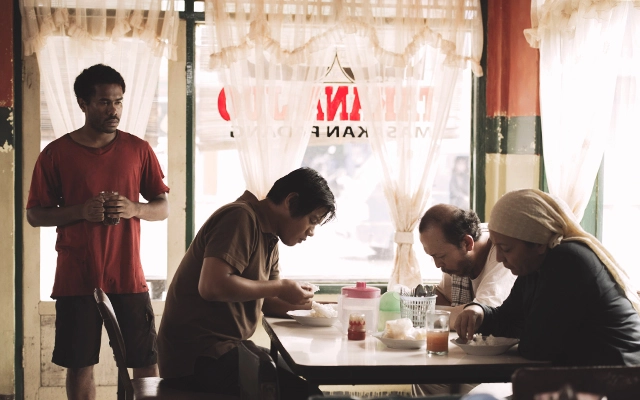
The story follows Hans, a young man from Papua, who dreams of becoming a professional soccer player. However, his aspirations are crushed when he suffers a career-ending injury. Disheartened and adrift in Jakarta, Hans encounters Mak, a Minang restaurant owner, who takes him under her wing. The film chronicles Hans’s journey as he learns the art of cooking Minang cuisine, discovering a sense of belonging and purpose.

Cultural Significance of Food

“Tabula Rasa” highlights the central role that food plays in Indonesian culture, serving as a bridge between diverse communities. The film showcases mouth-watering Minang dishes, emphasizing how cooking and sharing food can foster connection and healing. Through Mak’s mentorship, Hans learns not only culinary skills but also the importance of preserving cultural heritage.

Character Development and Performances

Jimmy Kobogau delivers a compelling performance as Hans, portraying his character’s transformation with authenticity and depth. Dewi Irawan shines as Mak, offering a warm and nuanced portrayal of a woman whose resilience and compassion inspire those around her. The chemistry between the cast members underscores the film’s heartfelt narrative.

Themes of Redemption and Belonging

At its core, “Tabula Rasa” is a story about second chances and finding one’s place in the world. Hans’s journey from despair to hope is a testament to the power of community and acceptance. The film beautifully illustrates how new beginnings can emerge from unexpected places, and how food can serve as a catalyst for personal growth and reconciliation.

Cinematic Excellence

The film’s rich cinematography captures the vibrant streets of Jakarta and the intricate details of Minang cuisine, immersing viewers in a sensory experience. The thoughtful direction and screenplay by Adriyanto Dewo and Tumpal Tampubolon, respectively, ensure that the film resonates with audiences on both emotional and cultural levels.

Conclusion

“Tabula Rasa” is more than just a film about food; it is a celebration of Indonesia’s cultural diversity and the human spirit’s capacity for resilience. It invites viewers to savor the flavors of life and reminds us of the bonds that unite us through shared experiences.

The Rapa Nui People: Indigenous Culture of Easter Island

littlecellist.com – Easter Island, known as Rapa Nui by its indigenous inhabitants, is a remote Polynesian island located in the southeastern Pacific Ocean. The island is famous for its monumental stone statues, known as moai, which are a testament to the rich cultural heritage of the Rapa Nui people. This article delves into the history, language, and cultural practices of the Rapa Nui, providing a comprehensive overview of their unique and fascinating culture.

History and Settlement

The Rapa Nui people are believed to have settled on Easter Island between 300 and 1200 CE, making them the easternmost Polynesian culture. The exact date of their arrival is still a subject of debate among historians and archaeologists. The Rapa Nui are descendants of the original inhabitants of Easter Island, and today, they make up about 60% of the island’s population, with a significant portion also residing in mainland Chile.

Language

The Rapa Nui people primarily speak Spanish, which is the official language of Chile, the country that governs Easter Island. However, the traditional language of the Rapa Nui, also known as Pascuan, is still spoken by a portion of the population. Efforts are being made to preserve and revitalize this ancient language, which is an essential part of their cultural identity.

Cultural Practices

The Moai

The most iconic cultural practice of the Rapa Nui is the creation and veneration of the moai. These massive stone statues, carved from volcanic rock, are believed to represent deified ancestors. The moai were erected along the coastline, facing inland, to watch over the Rapa Nui people. The construction and transportation of these statues required significant resources and labor, reflecting the advanced engineering skills and social organization of the Rapa Nui.

Traditional Festivals

One of the most important cultural events on Easter Island is the Tapati Festival, held annually in February. This festival celebrates the Rapa Nui culture through traditional music, dance, and competitions. Participants engage in various activities, such as body painting and traditional sports, showcasing the vibrant and resilient spirit of the Rapa Nui people.

Environmental Challenges

The Rapa Nui culture faced significant challenges, particularly before the arrival of Europeans in 1722. A common hypothesis suggests that the decline of the Rapa Nui society was due to the over-exploitation of the island’s environment, including deforestation, which led to resource scarcity and social upheaval.

Modern Times

Today, tourism is a crucial part of the Rapa Nui economy. Visitors from around the world come to Easter Island to witness the enigmatic moai and learn about the Rapa Nui culture. This influx of tourists has both positive and negative impacts on the island, providing economic benefits while also posing challenges to the preservation of cultural heritage and the environment.

Conclusion

The Rapa Nui people of Easter Island have a rich and complex history, marked by the creation of monumental stone statues, the preservation of a unique language, and the celebration of traditional festivals. Despite facing significant environmental and social challenges, the Rapa Nui continue to thrive, maintaining their cultural identity and contributing to the global understanding of Polynesian heritage.

Building a Culture of Production: The Factory as a Community

littlecellist.com – In the modern era of industrial production, the concept of the factory has evolved far beyond the mere physical space where goods are manufactured. Today, factories are increasingly recognized as vibrant communities where a culture of production is not just fostered but celebrated. This transformation is not merely a shift in perspective but a strategic approach to enhancing productivity, innovation, and employee satisfaction. The factory as a community is a testament to the power of human collaboration and the synergy that arises when individuals are united by a common goal.

The Foundation of a Factory Community

At the heart of every factory community is the workforce. These are the individuals who bring the machinery to life, who solve the daily puzzles of production, and who ensure that the factory’s output meets the highest standards of quality. Recognizing the value of each employee is the first step in building a culture of production. This recognition extends beyond financial compensation to include a sense of belonging, opportunities for growth, and a voice in the decision-making process.

Communication and Collaboration

Effective communication is the lifeblood of any community, and the factory is no exception. Open lines of communication allow for the free flow of ideas, concerns, and feedback. This not only improves the work environment but also leads to better problem-solving and innovation. Collaboration is encouraged, not just within teams but across different departments, fostering a holistic approach to production that can lead to breakthroughs in efficiency and product development.

Training and Development

Investing in the training and development of employees is a cornerstone of building a factory community. This not only equips workers with the skills they need to excel in their roles but also shows them that their growth is a priority for the company. Continuous learning opportunities create a culture of excellence and adaptability, ensuring that the factory remains at the forefront of industry trends and technological advancements.

Safety and Well-being

A strong emphasis on safety and well-being is essential in creating a positive factory community. This includes not just physical safety but also mental health and overall job satisfaction. When employees feel that their well-being is a priority, they are more likely to be engaged, productive, and loyal to the company. Implementing robust safety protocols, providing access to mental health resources, and fostering a supportive work environment are all critical components of a healthy factory community.

Sustainability and Social Responsibility

In today’s world, sustainability and social responsibility are key considerations for any successful business. Factories that embrace these principles not only contribute to a healthier planet but also build a stronger sense of community. By involving employees in sustainability initiatives, factories can create a shared sense of purpose and pride in contributing to a greater good. This can range from reducing waste and conserving energy to supporting local communities and charities.

Conclusion

The factory as a community represents a paradigm shift in industrial production. It is a recognition that the success of a factory is not just measured by its output but by the well-being and satisfaction of its workforce. By fostering a culture of production that values collaboration, communication, training, safety, and social responsibility, factories can become more than just places of work—they can become vibrant communities where employees thrive and innovation flourishes. This approach not only benefits the individuals who work within these walls but also the companies they represent and the broader society they serve.