Mrs. Winterbourne (1996): Romantic Comedy with a Twist

littlecellist.com – Mrs. Winterbourne (1996), directed by Richard Benjamin, is a romantic comedy that mixes elements of mistaken identity, love, and family drama. Starring Shirley MacLaine, Brendan Fraser, and Ricki Lake, the film follows the story of a young woman who finds herself thrust into a wealthy family’s life after a case of mistaken identity. While the central plot focuses on the comedic and emotional journey of the protagonist, there is an understated role played by [insert actress’s name] as Nurse Allmeyer. Though uncredited, Nurse Allmeyer’s brief but memorable appearance in the film adds an important layer to the story’s unfolding drama.

Plot Overview: A Twist on Romance and Identity

The movie begins with the young, pregnant Patricia “Patty” Winterbourne (played by Ricki Lake), who is a poor, expectant woman on the run from a troubled past. After a tragic accident, she is mistakenly identified as the wife of a wealthy businessman, Hugh Winterbourne (Brendan Fraser), who had died in the same crash. As Patty is taken in by the Winterbourne family, she becomes entangled in their high-society lifestyle, dealing with their expectations and the complex emotions that arise from her newfound identity.

Throughout the story, Patty must navigate her deception while dealing with her growing feelings for Hugh’s brother, Bill (Mark Harmon), and unraveling the complex family dynamics of the Winterbourne clan. While the focus is on Patty’s journey and the romantic tension between the characters, Nurse Allmeyer, played by [insert actress’s name], plays a minor but noteworthy role within the film’s hospital setting.

Nurse Allmeyer: A Small but Key Role

Nurse Allmeyer, though uncredited, plays a vital yet understated role in the movie. Her brief appearance in the hospital sequence helps to set the tone for the drama and comedy that surrounds the central narrative. Although the character doesn’t receive much screen time, her presence contributes to the seamless unfolding of events that lead to Patty’s mistaken identity and the family’s involvement in her life.

As a nurse, she is part of a crucial scene where Patty is recovering from the accident and adjusting to her new life in the Winterbourne household. Nurse Allmeyer’s calm and professional demeanor provides a sense of stability during this tumultuous time for Patty. While she does not have a major impact on the story, her role highlights the smaller characters that help support the larger narrative, emphasizing the interconnectedness of the film’s plot.

The Role of Supporting Characters in Mrs. Winterbourne

Although Nurse Allmeyer’s screen time is minimal, her contribution to the overall story of Mrs. Winterbourne underscores the importance of every supporting character in shaping the film’s tone. While the central focus remains on Patty and the romantic comedy elements of the story, characters like Nurse Allmeyer provide moments of realism and balance in the midst of the emotional chaos and mistaken identity that drives the plot.

The inclusion of smaller roles such as Nurse Allmeyer’s enriches the overall narrative, adding depth to the film’s atmosphere. Supporting characters in films like Mrs. Winterbourne often provide pivotal moments that ground the comedy and emotional shifts, ensuring that the primary characters’ journeys feel realistic and engaging.

A Film of Family, Love, and Deception

At its heart, Mrs. Winterbourne is a film about love, family dynamics, and the consequences of deception. Patty’s unexpected entry into the wealthy Winterbourne family is at the center of the film’s comedic and emotional beats. While Nurse Allmeyer’s role is small, it is crucial in maintaining the flow of the film’s larger themes, particularly those surrounding the mistaken identity at its core.

The film explores how people cope with the unraveling of their own identities and the lies that they are forced to live with. Patty’s struggle to keep up the ruse while falling for a man who believes she is someone else is the driving force of the movie, and even small characters like Nurse Allmeyer help to keep the story moving forward in a grounded way.

Conclusion

Mrs. Winterbourne (1996) is a romantic comedy that mixes humor, love, and dramatic moments, with a unique twist of mistaken identity. Nurse Allmeyer, portrayed by [insert actress’s name], might not have a large presence in the film, but her role in the hospital scenes provides an essential backdrop to the larger narrative. Even though uncredited, the character contributes to the film’s atmosphere, offering moments of realism and balance as the main characters navigate the tangled web of deception, love, and family.

In a film where every character, no matter how minor, plays a role in the unfolding drama, Nurse Allmeyer adds a subtle yet meaningful touch. Her appearance in Mrs. Winterbourne reminds us that even the smallest of roles can impact the overall emotional journey of a film, contributing to its charm and depth.
Iceland’s Role in World War II

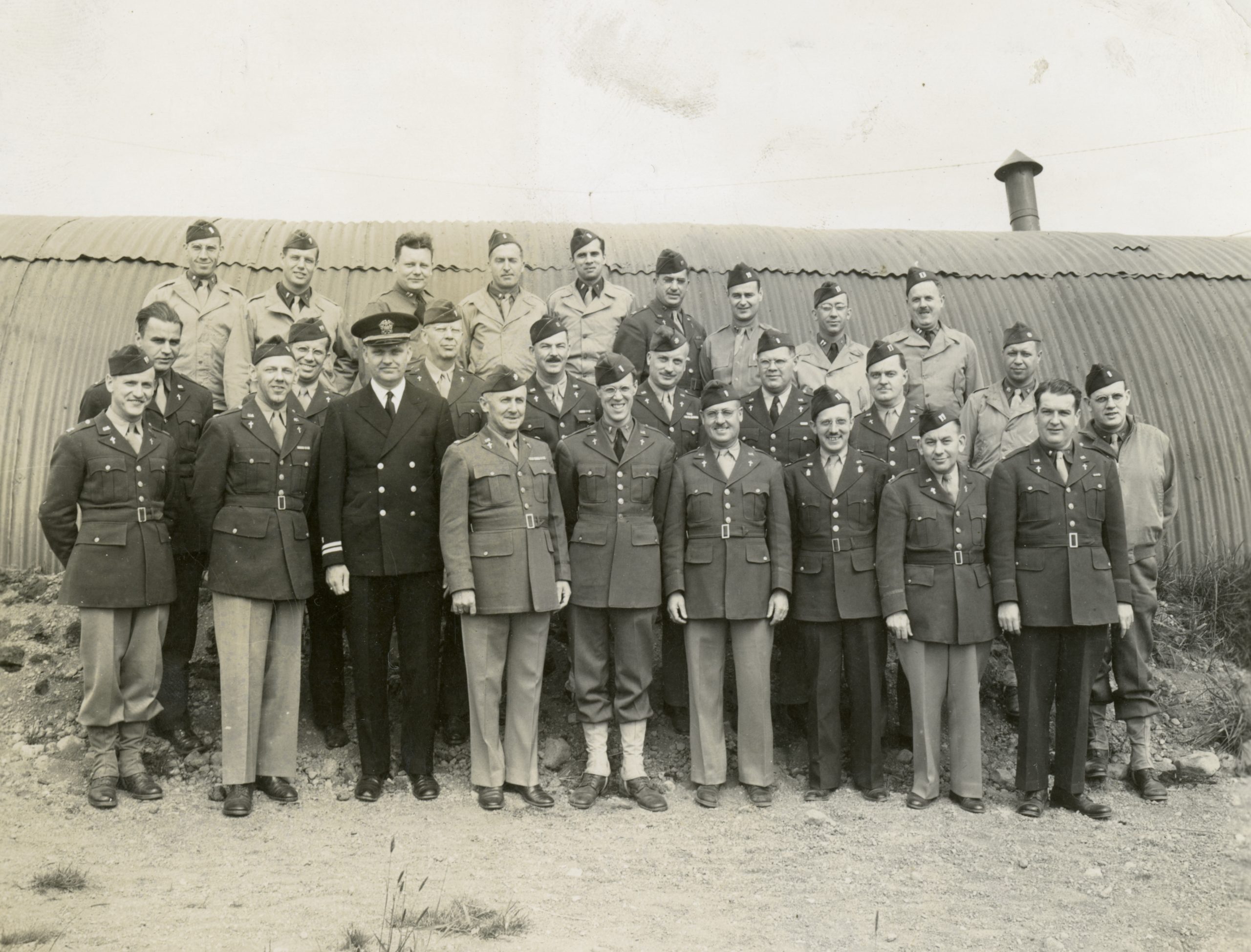
littlecellist.com – Iceland, a small island nation in the North Atlantic, played a significant but often overlooked role during World War II. Despite its official stance of neutrality, Iceland found itself at the center of strategic importance for both the Allies and the Axis powers. This article explores how Iceland’s unique geographical position and the actions of foreign powers shaped its involvement in the war.

The Early Years of the War

At the outbreak of World War II, Iceland was a sovereign kingdom in personal union with Denmark, with King Christian X as the head of state. Iceland declared its neutrality, hoping to avoid the conflict engulfing Europe. However, the British government, concerned about Germany’s growing interest in the strategically located island, decided to take preemptive action.

British Occupation

On May 10, 1940, British forces invaded Iceland, citing the need to secure the island from potential German occupation. The invasion was swift and largely unopposed, as Iceland had no standing army. The British established a military presence, primarily in Reykjavík, which led to significant social disruption among the Icelandic population.

The Shift to American Occupation

In July 1941, the British handed over the responsibility of Iceland’s defense to the United States. This transition was part of a broader strategic shift, as the U.S. was increasingly involved in the war effort. The American presence in Iceland was substantial, with approximately 4,100 U.S. Marines stationed on the island until early 1942.

Strategic Importance

Iceland’s location made it a crucial base for Allied operations. The island hosted several important airfields, which were vital for the defense of the North Atlantic shipping routes. These airfields were used to stage and support the Arctic convoys that supplied the Soviet Union with war materials, a critical link in the Allied strategy.

The Battle of the Atlantic

Iceland played a pivotal role in the Battle of the Atlantic. The island served as a staging point for convoys heading to the Soviet ports of Murmansk and Arkhangelsk. The presence of Allied forces in Iceland helped protect these convoys from German U-boats and aircraft, ensuring the flow of supplies to the Soviet Union.

Social and Economic Impact

The occupation of Iceland had profound social and economic effects. The influx of foreign troops brought employment opportunities for many Icelanders, particularly in engineering projects such as the construction of Reykjavík Airport. However, the occupation also led to social disruptions, including changes in the local culture and increased crime rates.

Path to Independence

The war years were also a period of political transformation for Iceland. In 1944, Iceland declared its independence from Denmark, ending the personal union and establishing itself as a republic. This move was partly influenced by the war, as the occupation had weakened the ties with Denmark and highlighted Iceland’s need for self-determination.

Conclusion

Iceland’s role in World War II was multifaceted, encompassing strategic military importance, social and economic changes, and a path to independence. Despite its neutral stance, Iceland became a critical player in the Allied war effort, contributing to the ultimate victory against the Axis powers. The war years left a lasting legacy on the island, shaping its modern identity and international relations.

The Role of Social Engineering in Modern Hacking

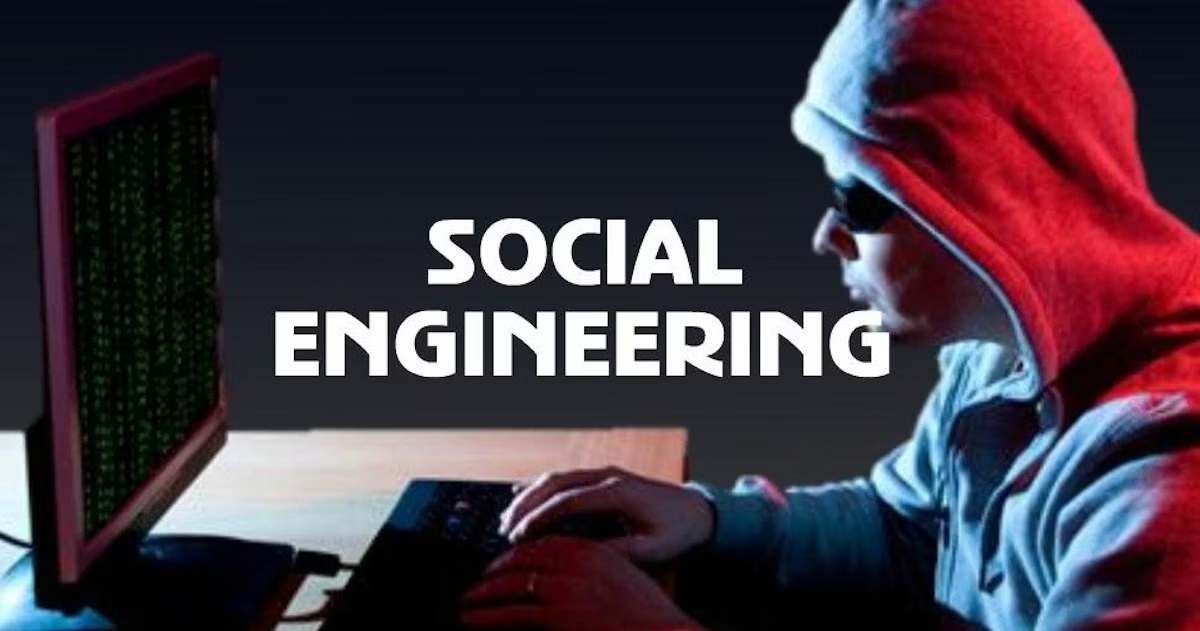
littlecellist.com – In the ever-evolving landscape of cybersecurity, social engineering remains a potent tool in the arsenal of modern hackers. This form of hacking, which focuses on manipulating human behavior rather than exploiting technical vulnerabilities, has become increasingly sophisticated and prevalent. This article explores the nature of social engineering, its methods, and its impact on modern cybersecurity.

Understanding Social Engineering

Social engineering is the art of manipulating people into performing actions or divulging confidential information. It leverages psychological manipulation to exploit human trust and gullibility. Unlike traditional hacking methods that target technical systems, social engineering attacks focus on the human element, making it a critical aspect of modern cybersecurity threats.

Methods of Social Engineering

Social engineering attacks can take various forms, including phishing, pretexting, and baiting. Phishing involves sending emails or messages that appear to come from legitimate sources, often with the intent to trick recipients into revealing sensitive information or clicking malicious links. Pretexting involves creating a false scenario to trick individuals into divulging information, while baiting involves luring individuals with something appealing, such as a free gift, to get them to download malware or reveal personal data.

The Evolution of Social Engineering

The concept of social engineering has evolved significantly over time. Initially, it was used in industrial settings to address human challenges alongside technical ones. Today, it is a critical component of cyberattacks, often used to gain initial access to systems or to bypass security measures.

Notable Social Engineering Attacks

Several high-profile attacks have highlighted the effectiveness of social engineering. For instance, the Target data breach in 2013 involved social engineering techniques used on an HVAC company that had remote access to Target’s network. Similarly, Yahoo experienced security breaches in 2013 and 2014, where spear-phishing attacks targeted a Yahoo engineer, leading to the compromise of user data.

The Impact on Modern Hacking

Social engineering is a significant threat to modern cybersecurity because it exploits the human element, which is often the weakest link in security systems. As technology advances, so do the methods used in social engineering, making it a persistent challenge for organizations to protect against.

Countermeasures

To mitigate the risks posed by social engineering, organizations must adopt a multi-faceted approach. This includes regular training for employees to recognize and avoid social engineering tactics, implementing two-factor authentication to add an extra layer of security, and using advanced security tools that can detect and block malicious activities.

Conclusion

Social engineering remains a critical aspect of modern hacking, leveraging the human element to bypass traditional security measures. As the digital landscape continues to evolve, so too will the methods used in social engineering. Organizations must remain vigilant and proactive in their approach to cybersecurity to protect against these sophisticated attacks.

By understanding the nature of social engineering and implementing effective countermeasures, organizations can better protect themselves and their data from the threats posed by modern hacking techniques.