Parintins Folklore Festival: A Battle of Myth and Music

littlecellist.com – The Parintins Folklore Festival, also known as the Festival do Boi-Bumbá, is a vibrant and captivating cultural celebration held annually in the Amazonian city of Parintins, Brazil. This three-day extravaganza is a spectacle of color, music, dance, and folklore, drawing thousands of spectators from all over the world.   

The Legend of Boi-Bumbá

At the heart of the festival lies the legendary tale of the Boi-Bumbá, a folkloric character representing a resurrected ox. The story revolves around a pregnant woman who craves the ox’s tongue. Her husband, a slave, defies his master’s orders and slaughters the ox to fulfill her desire. When the master discovers the deed, he is furious and orders the ox to be resurrected. The legend unfolds through a series of magical events, culminating in a grand celebration.   

The Battle of the Bois

The Parintins Folklore Festival is a competition between two rival groups, known as “bois”: Garantido (Red Bull) and Caprichoso (Blue Bull). Each group strives to present the most impressive performance, incorporating elements of Amazonian folklore, indigenous culture, and contemporary influences.   

The performances are held in a purpose-built arena called the Bumbódromo, which can accommodate up to 35,000 spectators. The shows are a dazzling display of creativity, featuring elaborate costumes, stunning stage sets, and captivating performances by thousands of dancers, singers, and musicians.   

The Magic of the Performance

The performances are divided into two parts: the presentation of the Boi-Bumbá legend and the presentation of the queens, who represent the beauty and grace of the Amazon region. The queens, along with their court, perform elegant dances and showcase stunning costumes.

The music, a fusion of traditional and contemporary styles, is a key element of the festival. The rhythmic beats of the bumbó, a traditional percussion instrument, create a pulsating energy that captivates the audience.

A Cultural Phenomenon

The Parintins Folklore Festival is more than just a celebration of folklore and music; it’s a cultural phenomenon that unites the people of Parintins and showcases the rich heritage of the Amazon region. The rivalry between the two bois fuels a passionate competition, and the festival has become a symbol of regional pride and identity.

The Timeless Charm of Paul McCartney

littlecellist.com – Paul McCartney, a name synonymous with musical genius and creativity, has been an enduring figure in the world of music for over six decades. As a member of The Beatles and a successful solo artist, McCartney’s contributions to music have left an indelible mark on popular culture. This article explores the remarkable journey of Paul McCartney, highlighting the elements that contribute to his timeless charm and enduring legacy.

Early Life and The Beatles

Born on June 18, 1942, in Liverpool, England, James Paul McCartney was introduced to music by his father, a jazz musician. McCartney’s musical journey began in earnest when he joined John Lennon and his band, The Quarrymen, in 1957. This collaboration would soon evolve into The Beatles, a band that would revolutionize the music industry.

The Beatles Era

As a member of The Beatles, McCartney was instrumental in creating some of the most iconic songs of the 20th century. His songwriting partnership with John Lennon produced timeless classics such as “Hey Jude,” “Let It Be,” and “Yesterday.” McCartney’s ability to craft memorable melodies and poignant lyrics helped propel The Beatles to unprecedented heights of success, making them one of the most influential bands in history.

Solo Career and Wings

Following The Beatles’ breakup in 1970, McCartney embarked on a successful solo career. His debut solo album, “McCartney,” showcased his versatility as a musician, with McCartney playing all the instruments himself. In 1971, he formed the band Wings with his wife, Linda McCartney. Wings enjoyed commercial success with hits like “Band on the Run” and “Live and Let Die,” further establishing McCartney as a formidable artist in his own right.

Musical Innovation and Experimentation

Throughout his career, McCartney has consistently pushed the boundaries of musical innovation. His willingness to experiment with different genres and styles has kept his music fresh and relevant. From classical compositions to electronic collaborations, McCartney’s vast body of work reflects his insatiable curiosity and passion for music.

Legacy and Influence

Paul McCartney’s influence on music is immeasurable. He has received countless accolades, including multiple Grammy Awards and induction into the Rock and Roll Hall of Fame both as a member of The Beatles and as a solo artist. His songs continue to inspire new generations of musicians and fans alike.

Conclusion

The timeless charm of Paul McCartney lies in his ability to connect with audiences through his music. His enduring creativity, passion, and dedication have solidified his place as one of the greatest musicians of all time. As we continue to celebrate McCartney’s illustrious career, we are reminded of the power of music to transcend time and bring people together.

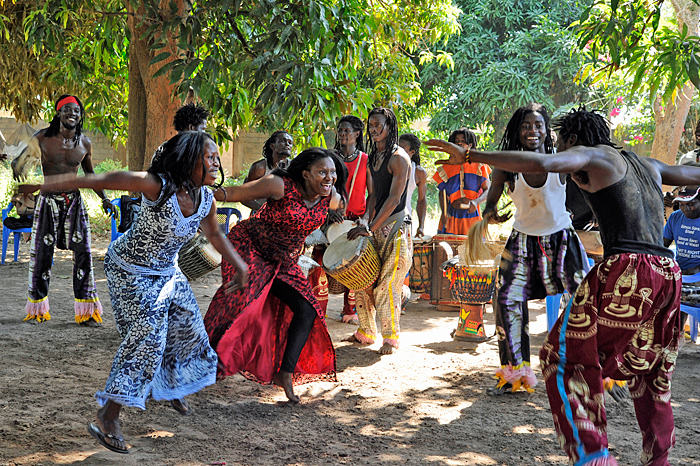
The Gambia’s Music & Dance: A Celebration of Art

littlecellist.com – The Gambia, a small West African country, is renowned for its vibrant culture, which is beautifully encapsulated in its music and dance. These art forms are not just entertainment but are deeply intertwined with the social, religious, and historical fabric of Gambian society. They serve as a medium for storytelling, celebration, and the preservation of traditions.

The Roots of Gambian Music and Dance

Gambian music and dance have their roots in the country’s diverse ethnic groups, including the Mandinka, Fula, Wolof, and Jola, among others. Each group has its unique styles, instruments, and dances, which have been passed down through generations. The kora, a 21-stringed harp-lute, and the talking drum are iconic instruments that accompany many Gambian performances.

The Role of Griots

Central to Gambian music and dance are the griots, also known as jalis. These are traditional musicians and singers who are the keepers of oral histories and genealogies. They play a pivotal role in society by reciting the deeds of ancestors, leaders, and heroes, often accompanying themselves on instruments like the kora or balafon.

Festivals and Celebrations

Music and dance are integral to Gambian festivals and celebrations. Events such as the Kankurang festival, which marks the end of the rainy season, feature elaborate costumes and dances that tell the story of the Kankurang spirit. The Senegambian wrestling festival is another occasion where music and dance are used to hype up the competitors and entertain the crowds.

Contemporary Scene

The Gambian music scene has evolved to include modern genres like Afrobeat, reggae, and hip-hop, while still maintaining its traditional roots. Artists like Jaliba Kuyateh, the “King of Kora,” and the hip-hop group Superstar, have gained international recognition, blending traditional sounds with contemporary beats.

Cultural Preservation and Education

Efforts to preserve and promote Gambian music and dance include cultural centers and schools that teach traditional instruments and dances to young people. These initiatives are crucial in ensuring that the rich heritage of Gambian art continues to thrive and inspire future generations.

Conclusion

The Gambia’s music and dance are more than just performances; they are a living testament to the country’s cultural heritage and identity. Through these art forms, the Gambian people celebrate their history, express their joys and sorrows, and share their stories with the world. As the country continues to evolve, its music and dance remain a vibrant and unifying force, showcasing the beauty and diversity of Gambian culture.