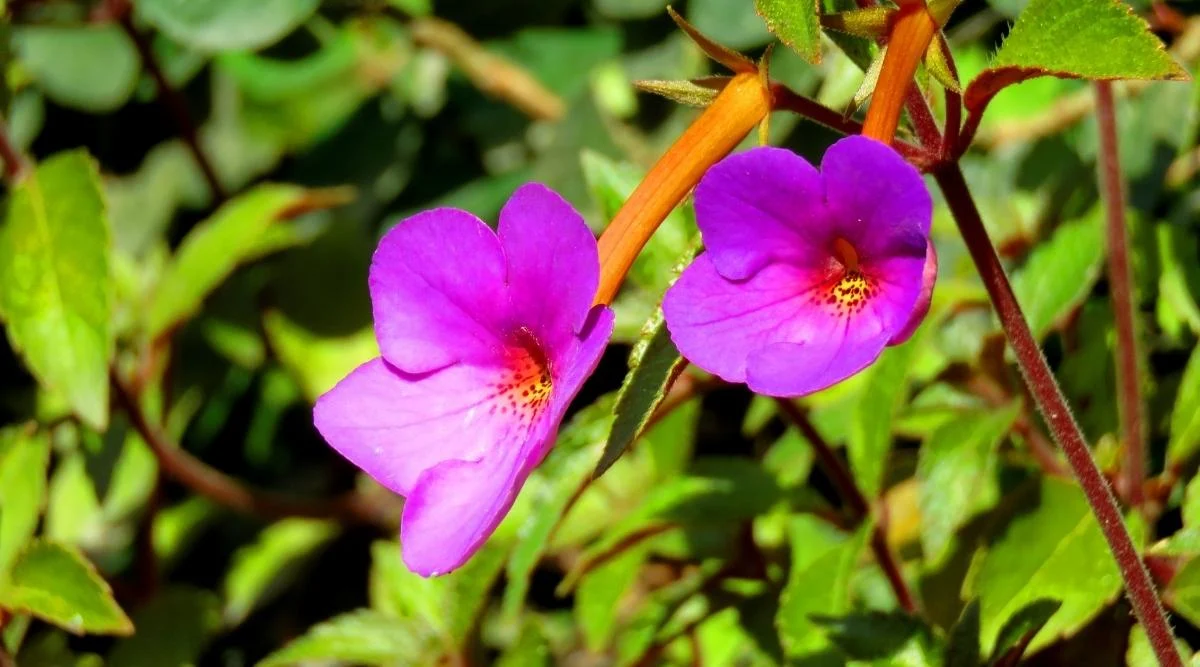
Hot Water Plant Flower: A Beauty with Unique Characteristics

magic-games.net – The Hot Water Plant (Senna alata), also known as the Candle Bush or Ringworm Tree, is a striking and fascinating flowering plant native to tropical regions of the Americas. With its vibrant yellow flowers and medicinal properties, the Hot Water Plant is not only an ornamental addition to gardens but also a plant with a rich history in traditional medicine. In this article, we will explore the characteristics, growing conditions, uses, and care of the Hot Water Plant flower.

Characteristics of the Hot Water Plant Flower

The Hot Water Plant is a perennial shrub that typically grows between 4 to 12 feet tall, depending on the growing conditions. Its most notable feature is its large, upright clusters of bright yellow, trumpet-shaped flowers that resemble candles or torches. These vibrant blooms appear in the late summer and early fall, attracting pollinators such as bees, butterflies, and hummingbirds.

The plant gets its common name, “Hot Water Plant,” due to the use of its leaves in traditional medicine to treat skin ailments, including ringworm. The name “Candle Bush” is derived from the plant’s flowers, which are arranged in tall, candle-like spikes.

The foliage of the Hot Water Plant is also attractive, consisting of large, compound leaves with many small, oval leaflets. These leaves create a lush, dense canopy that complements the plant’s showy flowers.

Ideal Growing Conditions

The Hot Water Plant thrives in tropical and subtropical climates but can be grown in temperate zones as an annual or in containers that can be brought indoors during the winter. Here are the essential growing conditions for the Hot Water Plant:

  • Sunlight: The Hot Water Plant thrives in full sun, which helps it to produce abundant blooms. It should be planted in a location where it receives at least 6 to 8 hours of direct sunlight per day.
  • Soil: Well-drained, moderately fertile soil is best for this plant. It prefers slightly acidic to neutral soil and benefits from rich organic matter. Avoid overly compacted or poorly-draining soil, as it can lead to root rot.
  • Watering: The Hot Water Plant enjoys consistent moisture but does not tolerate soggy soil. Water the plant regularly, especially during dry spells, but allow the soil to dry out slightly between waterings to avoid root issues.
  • Temperature: Being a tropical plant, the Hot Water Plant prefers warm temperatures between 75°F and 90°F (24°C to 32°C). It is frost-sensitive, so it should be grown in areas where temperatures do not fall below freezing. In cooler climates, it can be grown in containers that are moved indoors during winter months.
  • Fertilizing: While the Hot Water Plant is not a heavy feeder, it benefits from regular feeding with a balanced fertilizer, especially during the growing season. This will encourage healthy foliage and vibrant blooms.

Medicinal Uses of the Hot Water Plant

The Hot Water Plant has a long history of use in traditional medicine, particularly in the treatment of skin conditions such as ringworm. The leaves of the plant contain compounds that are believed to have antifungal and antiseptic properties. Here’s an overview of some common medicinal uses:

  • Ringworm Treatment: The Hot Water Plant is best known for its use in treating ringworm, a fungal skin infection. Traditionally, the leaves are boiled in water, and the resulting infusion is used to wash the affected skin areas. Some cultures also use the plant’s sap to treat various skin ailments.
  • Anti-inflammatory: In traditional herbal medicine, Hot Water Plant extracts have been used to treat inflammation and relieve pain associated with conditions like arthritis or muscle soreness. The plant’s anti-inflammatory properties are thought to help soothe swelling and discomfort.
  • Laxative and Diuretic: In some cultures, the Hot Water Plant is used as a mild laxative and diuretic. Its use for digestive issues is generally based on folklore, and it should only be used with caution and under the guidance of a medical professional.

Though the plant’s medicinal uses are well-documented in traditional healing practices, it is essential to consult a healthcare professional before using the Hot Water Plant for any medical purposes, as its effectiveness and safety may vary.

Benefits of Growing the Hot Water Plant

In addition to its medicinal properties, the Hot Water Plant offers a range of benefits for gardeners. Here are some of the reasons why it is a great addition to gardens:

  • Attracts Pollinators: The bright yellow flowers of the Hot Water Plant are highly attractive to bees, butterflies, and hummingbirds, making it an excellent choice for pollinator-friendly gardens. These insects help support biodiversity and contribute to a healthy garden ecosystem.
  • Ornamental Value: The tall, striking flower spikes and lush foliage make the Hot Water Plant a visually appealing addition to any garden. It works well as a background plant in flower beds or as a standalone specimen plant in tropical or subtropical gardens.
  • Low Maintenance: The Hot Water Plant is relatively easy to care for once established. It requires minimal pruning and is generally resistant to most pests and diseases, making it a low-maintenance plant for gardeners who want beauty without a lot of fuss.
  • Natural Privacy Screen: Due to its dense, upright growth habit, the Hot Water Plant can be used as a natural privacy screen or hedge. It provides both visual appeal and a sense of seclusion in garden spaces.

Creative Garden Uses

The Hot Water Plant’s bright yellow flowers and tropical foliage make it an ideal choice for adding a pop of color and exotic flair to your garden. Here are some creative ways to incorporate it into your landscaping:

  • Tropical Gardens: The Hot Water Plant is a perfect addition to tropical or subtropical gardens, where its vibrant flowers and lush foliage complement other tropical plants such as palms, bird-of-paradise, and hibiscus.
  • Pollinator Gardens: Plant the Hot Water Plant in a pollinator-friendly garden where it will attract bees, butterflies, and hummingbirds. Combine it with other nectar-rich plants such as lavender, salvia, and zinnias to create a haven for pollinators.
  • Containers: In cooler climates, the Hot Water Plant can be grown in containers and moved indoors during the winter. This allows you to enjoy its beauty in colder regions and ensures the plant’s protection from frost.
  • Privacy Hedges: For a tropical touch to your landscape design, use the Hot Water Plant as part of a natural privacy hedge. Its dense growth and height make it an excellent choice for creating a barrier or secluded area in your garden.

Conclusion

The Hot Water Plant is a versatile and beautiful addition to tropical and subtropical gardens. Known for its bright yellow, candle-like flowers, this plant is not only visually stunning but also offers a range of benefits, including its role in supporting pollinators and its medicinal properties. Whether used as an ornamental feature, a pollinator attractant, or a natural remedy for skin conditions, the Hot Water Plant provides both aesthetic and practical value. With proper care and attention, it will thrive in your garden, adding both beauty and a touch of tropical allure.

The Unique Diet of the Woodchuck: What Do They Eat?

littlecellist.com – Woodchucks, also known as groundhogs, are fascinating creatures often seen in meadows, forests, and gardens across North America. These robust rodents are well-known for their burrowing habits, but have you ever wondered what a woodchuck eats? Let’s explore their diet and how it changes with the seasons.

Herbivorous by Nature

Woodchucks are primarily herbivores, relying on a plant-based diet. They feed on a wide variety of vegetation, including grasses, flowers, and fruits. In the wild, they enjoy foraging for tender shoots, leaves, and stems of plants. Some common food sources for woodchucks include:

  • Clover
  • Alfalfa
  • Dandelions
  • Berries
  • Wildflowers

They are particularly drawn to leafy greens and soft, succulent plants that are easy to digest. Woodchucks play an important role in the ecosystem by helping to manage plant growth in their environment.

Seasonal Changes in Diet

Woodchucks adapt their diet based on seasonal availability. During spring and summer, they consume a larger variety of vegetation, as food sources are plentiful. As the fall approaches, they focus on foods high in fat and nutrients to prepare for hibernation.

In the fall, woodchucks may eat fruits like apples or pears, and they even nibble on nuts and seeds when available. This shift allows them to store fat reserves that sustain them during their long winter hibernation, which can last for several months.

Agricultural Pests

While woodchucks’ foraging habits help balance natural plant life, they can become problematic for farmers and gardeners. These animals are known to invade vegetable patches and agricultural fields, feasting on crops like lettuce, beans, and peas. Their powerful digging skills can also cause damage to cultivated lands, making them unwelcome guests in some regions.

Conclusion

Woodchucks may be small, but their appetite is impressive. They consume a variety of plant-based foods throughout the year, adjusting their diet according to seasonal changes. While they play an important role in nature, their eating habits can sometimes bring them into conflict with human agriculture. Regardless, their ability to adapt and thrive in different environments is a testament to their resilience.

Sezgi Sena Akay: A Rising Star with a Unique Allure

littlecellist.com – Sezgi Sena Akay, a name that has been steadily gaining prominence in the Turkish entertainment industry, is a talented model and actress. Born on October 31, 1994, in Istanbul, Turkey, she has captivated audiences with her striking beauty, unique features, and undeniable charm.   

A Promising Start

Akay’s journey to stardom began in 2012 when she was crowned Best Model of the World, making history as the youngest titleholder in the pageant’s history. This significant achievement brought her into the international spotlight and opened doors to a promising career in the modeling industry. Her distinctive look, with its striking eyes and captivating smile, set her apart from other models and quickly made her a sought-after face in the fashion world.   

A Versatile Actress

Beyond her modeling career, Akay has also made a successful transition to acting. She has appeared in several popular Turkish television series, showcasing her versatility as a performer. Her ability to portray complex characters with depth and emotion has earned her critical acclaim and a dedicated fan following. Some of her notable roles include:   

  • Acı Aşk (2016)  
  • Muhteşem Yüzyıl: Kösem (2016) 
  • Zeytin Tepesi (2018)

A Multifaceted Personality

Akay’s talents extend beyond modeling and acting. She has also worked as a television presenter, showcasing her engaging personality and natural charisma. Her ability to connect with audiences and deliver captivating performances has made her a popular figure on Turkish television.   

A Bright Future

As Akay continues to take on challenging roles and explore new projects, her future in the entertainment industry looks promising. With her talent, beauty, and unwavering dedication, she is poised to achieve even greater success. Her unique blend of beauty, intelligence, and talent makes her a rising star to watch in the Turkish entertainment industry.

The Mystique of Heterochromia: When Eyes Tell a Unique Story

littlecellist.com – Heterochromia is a captivating and rare condition where an individual has two different colored eyes or variations of color within a single eye. This intriguing phenomenon not only draws attention due to its striking appearance but also carries a rich tapestry of genetic, medical, and cultural stories. In this article, we explore the science behind heterochromia, its causes, and the unique narratives it weaves.

Understanding Heterochromia

Heterochromia is typically classified into three main types: complete, sectoral, and central. Complete heterochromia occurs when each eye is a different color. Sectoral heterochromia, also known as partial heterochromia, involves a single eye containing two distinct colors. Central heterochromia is characterized by a ring of color surrounding the pupil that’s different from the rest of the iris. Each form of heterochromia offers a unique visual signature, making it a fascinating subject of study.

The Science Behind the Colors

The color of the eyes is determined by the distribution and concentration of melanin, a pigment found in the iris. Heterochromia results from variations in melanin levels, which can be influenced by genetic factors, developmental conditions, or acquired factors such as injury or illness. In many cases, heterochromia is benign and simply a genetic quirk, but it can sometimes indicate underlying medical conditions like Horner’s syndrome or Waardenburg syndrome.

Genetic and Environmental Influences

Heterochromia can be hereditary, passing from parents to offspring through genetic inheritance. It can also arise spontaneously due to genetic mutations. In some instances, environmental factors such as trauma or disease can alter melanin distribution in the iris, leading to the development of heterochromia later in life. Understanding these influences helps us appreciate the complex interplay of genetics and environment in shaping our unique features.

Cultural and Historical Perspectives

Throughout history, heterochromia has captured human imagination and inspired myths and legends. In some cultures, people with heterochromia were believed to possess magical abilities or a special connection to the spiritual world. In modern times, heterochromia continues to fascinate, with many considering it a mark of individuality and beauty. Celebrities and public figures with heterochromia often become icons of uniqueness, further fueling public interest.

Celebrating Uniqueness

Heterochromia serves as a reminder of the diversity and intricacies found in nature. Each pair of heterochromatic eyes tells a story of genetic variation and adaptation, highlighting the uniqueness that exists within the human population. For those who have it, heterochromia can be a source of pride and a distinguishing feature that sets them apart.

Conclusion

The mystique of heterochromia lies in its ability to captivate and intrigue. Whether due to genetics, environment, or a blend of both, this condition offers a glimpse into the complexities of human development and the stories our eyes can tell. As we celebrate the beauty of heterochromia, we also embrace the diversity that makes each of us unique, reminding us that our differences are what truly color our world.

The Unique American Way of Voting: The Electoral College

littlecellist.com – The United States stands apart from most modern democracies in its method of electing the president and vice president. Unlike the direct popular vote used in many countries, the United States employs a system known as the Electoral College. This unique and often debated process is a defining feature of American democracy, embodying the complexities and compromises that have shaped the nation’s political landscape.

Origins and Rationale

The Electoral College was established by the U.S. Constitution in 1787, reflecting the Founding Fathers’ desire to balance the influence of large and small states, as well as to ensure that the president was elected by “persons holding the highest political qualifications.” The system was also designed to protect the nation from what they perceived as the tyranny of the majority, which could occur in a direct popular vote.

Under the Electoral College system, each state is allocated a number of electors equal to its total number of senators and representatives in Congress. Since every state has two senators and at least one representative, this means that smaller states have a proportionally greater influence in the Electoral College than their population would suggest. Additionally, the District of Columbia is granted three electors, pursuant to the 23rd Amendment to the Constitution.

How It Works

When Americans vote for president, they are actually voting for a slate of electors pledged to their preferred candidate. The candidate who wins the majority of votes in a state typically receives all of that state’s electoral votes, a system known as the winner-takes-all method (with the exception of Maine and Nebraska, which award electoral votes by congressional district).

To win the presidency, a candidate must secure a majority of electoral votes—at least 270 out of 538. If no candidate achieves a majority, the election is decided by the House of Representatives, with each state delegation casting one vote.

Criticisms and Controversies

The Electoral College has been the subject of intense debate. Critics argue that it is undemocratic, as it can result in a candidate winning the presidency without securing the majority of the popular vote. This scenario has occurred on several occasions, most recently in 2000 and 2016. Opponents also contend that the system disproportionately favors smaller states and that it leads to a focus on “swing states,” with candidates ignoring the needs and concerns of voters in states where the outcome is perceived as a foregone conclusion.

Defenders of the Electoral College, however, maintain that it protects the rights of smaller states, encourages a broader national campaign, and forces candidates to build a coalition that includes a variety of interests and regions. They also argue that it acts as a buffer against demagoguery and the potential for a regional favorite to win the presidency without national appeal.

Reform Efforts

Various proposals have been made to reform or abolish the Electoral College, ranging from the National Popular Vote Interstate Compact, which seeks to award electoral votes to the winner of the national popular vote, to constitutional amendments that would replace the Electoral College with a direct popular vote. However, significant political and procedural hurdles stand in the way of these reforms, including the requirement for a constitutional amendment to be ratified by three-fourths of the states.

Conclusion

The Electoral College remains a central and controversial feature of American democracy. It reflects the nation’s federalist structure, balancing the interests of diverse states and regions. While it has its detractors, the Electoral College continues to play a pivotal role in the election of the president and vice president, ensuring that the United States maintains its unique approach to voting in the highest offices of the land. As the nation evolves, the debate over the Electoral College’s future will undoubtedly continue, embodying the ongoing conversation about the best way to represent the will of the American people.