Kosas The Big Clean Mascara: For Lush, Defined Lashes

littlecellist.com – When it comes to beauty products, mascara is a staple for most makeup routines, adding drama, definition, and a wide-eyed effect that can transform a look. However, with the growing interest in clean beauty, many consumers are now seeking mascaras that not only provide beautiful results but also align with their ethical and environmental values. Enter Kosas The Big Clean Mascara, a game-changing product that offers bold volume, length, and lift while staying true to its clean beauty principles. This mascara combines cutting-edge formulation with nourishing ingredients, providing a high-performance product that delivers stunning lashes without compromise.

In this detailed review, we’ll explore the features, benefits, and unique qualities of Kosas The Big Clean Mascara, highlighting why this mascara is quickly becoming a favorite in the clean beauty community.

What Is Kosas The Big Clean Mascara?

Kosas The Big Clean Mascara is a clean, vegan, cruelty-free mascara that promises to deliver voluminous, lifted, and defined lashes while nourishing them with plant-powered ingredients. Unlike many conventional mascaras that contain harsh chemicals and synthetic fragrances, Kosas has created a mascara that combines luxurious results with the integrity of a clean, skin-friendly formula.

With its high-performance brush and innovative formula, The Big Clean Mascara is designed to build volume without clumping, smudging, or flaking throughout the day. Its clean formulation is a step forward for those who want to use mascara that enhances their lashes while caring for the health of both their lashes and the environment.

Key Features of Kosas The Big Clean Mascara

1. Volumizing and Lengthening Formula

One of the standout features of Kosas The Big Clean Mascara is its ability to create voluminous, thick lashes with just a few strokes. The mascara’s innovative formula builds quickly to create impressive volume, giving the lashes a fuller and more dramatic look. It also lengthens the lashes, making them appear longer and more defined with every coat.

The volumizing power of this mascara is achieved through its blend of nourishing ingredients that condition and coat the lashes while providing long-lasting lift. Whether you’re looking to create a natural, everyday lash look or go for a more dramatic, bold effect, this mascara is versatile enough to give you the flexibility to achieve your desired lash goals.

2. Clean and Nourishing Ingredients

Kosas is known for its commitment to clean beauty, and The Big Clean Mascara is no exception. The formula is free from harmful chemicals such as parabens, sulfates, and phthalates, as well as synthetic fragrances and dyes. Instead, it is infused with nourishing plant-based ingredients that not only enhance your lashes’ appearance but also promote their health.

Key nourishing ingredients in this mascara include:

  • Wheat Protein: Known for its strengthening and conditioning properties, wheat protein helps to support and nourish the lashes, reducing breakage and encouraging growth.
  • Rice Bran Wax: This wax helps to coat each lash evenly, adding volume and texture without clumping.
  • Shea Butter: Acts as a moisturizing agent that helps keep lashes soft and hydrated, preventing them from becoming dry or brittle.
  • Carnauba Wax: Helps create a smooth, glossy finish while maintaining the mascara’s long-lasting wear.
  • Panthenol (Vitamin B5): This ingredient helps to fortify the lashes, keeping them healthy and preventing damage from makeup application.

These clean ingredients provide both instant and long-term benefits to your lashes, ensuring that they not only look great but are also cared for and nourished with every use.

3. Long-Lasting and Smudge-Proof

One common concern with clean mascaras is whether they can hold up throughout the day. Kosas The Big Clean Mascara delivers impressive wear time without smudging, flaking, or wearing off. The formula is designed to stay in place, providing consistent volume and lift from morning to night. Whether you’re working long hours, running errands, or heading out for a night out, you can count on this mascara to hold up beautifully, without the need for touch-ups.

4. Curved, Volumizing Brush for Maximum Lift

The brush that accompanies The Big Clean Mascara is designed to provide maximum lift, separation, and volume. Its unique shape has a curved design that fits the natural curve of your lashes, allowing the product to coat each lash from root to tip while lifting and separating them. The densely packed bristles grab each lash, creating defined, voluminous lashes without clumping or overloading the product.

The curved brush also helps to curl lashes without the need for an eyelash curler, giving you a wide-eyed effect with just the mascara alone. This makes it easy to achieve a flawless, lifted lash look in just a few swipes.

5. Buildable Formula for Customizable Volume

Kosas The Big Clean Mascara features a buildable formula that allows you to customize the level of volume and definition you desire. For a more natural look, you can apply one coat, creating subtle volume and length. For more dramatic results, you can layer multiple coats to build intense volume and length without worrying about clumps or flaking.

This flexibility allows you to create the perfect lash look for any occasion, whether you’re going for a soft daytime look or a bold, statement-making lash.

6. Water-Resistant, Not Waterproof

Unlike some mascaras that can be difficult to remove at the end of the day, Kosas The Big Clean Mascara is water-resistant, which means it will stand up to tears or humidity but is still easy to remove with a gentle makeup remover or cleanser. While it won’t smear in the rain or from sweat, it won’t require harsh scrubbing to take off at the end of the day, making it a more convenient option for those looking for a mascara that’s both functional and easy to use.

7. Vegan and Cruelty-Free

Kosas is a brand that prides itself on ethical practices, and The Big Clean Mascara is no exception. The mascara is 100% vegan, meaning it contains no animal-derived ingredients, and it is also cruelty-free. Kosas does not test on animals, making this mascara a great choice for those who are committed to supporting cruelty-free beauty brands.

How to Use Kosas The Big Clean Mascara

Using Kosas The Big Clean Mascara is easy, thanks to its curved, volumizing brush and buildable formula. Follow these simple steps for the best results:

Step 1: Prep Your Lashes

Start with clean, dry lashes. If you have any leftover makeup or oils, remove them gently with a makeup remover to ensure that the mascara adheres properly to your lashes.

Step 2: Apply the First Coat

Hold the mascara wand at the base of your lashes and gently wiggle it upwards to the tips of your lashes. This will help coat each lash evenly, lifting and separating them as you go.

Step 3: Build Volume and Length

For more volume and length, apply additional coats. Allow each coat to dry slightly before applying the next to avoid clumping. You can apply as many coats as desired to achieve your preferred level of volume and intensity.

Step 4: Separate Lashes

Use the tip of the brush to gently separate any clumps and define individual lashes for a more polished finish. Focus on the outer corners of your lashes for an added lift.

Step 5: Finish and Set

Once your lashes are fully coated and defined, allow the mascara to dry for a few seconds. This will set the product in place for long-lasting wear.

Why Choose Kosas The Big Clean Mascara?

  • Intense volume and length for dramatic lashes.
  • Nourishing, clean ingredients that promote lash health and conditioning.
  • Long-lasting wear that doesn’t smudge or flake.
  • Curved, volumizing brush for maximum lift and separation.
  • Buildable formula that allows for customizable volume.
  • Water-resistant formula that’s easy to remove at the end of the day.
  • Vegan and cruelty-free for ethical beauty.
  • Suitable for sensitive eyes due to its gentle, clean ingredients.

Final Thoughts

Kosas The Big Clean Mascara is a standout product in the world of clean beauty. With its nourishing ingredients, buildable formula, and impressive volumizing power, it provides the best of both worlds: dramatic, long-lasting lashes with the peace of mind that comes from using a clean, vegan, and cruelty-free product. Whether you’re looking for everyday volume or a bold lash look for a special occasion, this mascara delivers exceptional results without compromising on health, safety, or ethical standards.

If you’re looking to elevate your lash game while adhering to clean beauty principles, Kosas The Big Clean Mascara is an excellent choice. It’s the perfect blend of high-performance results and clean ingredients, making it a must-have in any beauty routine.

KVD Vegan Beauty Lolita Por Vida Eyeshadow Palette

littlecellist.com – KVD Vegan Beauty is known for its high-performance, cruelty-free makeup that allows individuals to express their unique style. The Lolita Por Vida Eyeshadow Palette is one such standout product from the brand, embodying bold, fierce color choices, rich textures, and endless versatility. This palette draws inspiration from the iconic Lolita collection and takes it to new heights with a stunning range of shades that allow makeup lovers to create everything from everyday looks to intense, dramatic eye makeup. Whether you’re a makeup enthusiast or a pro, the Lolita Por Vida Palette offers the perfect balance of creativity and sophistication.

A Stunning Array of Rich, Pigmented Shades

The Lolita Por Vida Eyeshadow Palette is a carefully curated selection of 18 vibrant and highly pigmented shades, each designed to help you create a variety of eye-catching looks. The palette is divided into cool-toned neutrals, warm hues, and bold pops of color, ensuring there’s a shade for every occasion. From soft matte nudes to striking metallics and bold pops of red, plum, and deep bronze, the palette gives you the flexibility to craft a range of moods—whether you’re aiming for a natural everyday look or going full glam for an evening out.

The palette’s diverse range of shades makes it versatile enough to complement all skin tones, offering options that can enhance any eye color and highlight your natural beauty. You’ll find a mix of matte, shimmer, and metallic finishes, each designed to blend seamlessly together for an effortlessly chic look.

High-Pigmented Formula for Maximum Impact

KVD Vegan Beauty is known for its intense color payoff, and the Lolita Por Vida Palette does not disappoint. Each shadow is highly pigmented, offering deep, vibrant color with minimal effort. Whether you’re applying one coat of a matte shade for a soft wash of color or building up layers of shimmer for an intense eye-catching look, the pigmentation in this palette ensures your eyes will truly pop.

The rich pigments are designed to deliver long-lasting results, so your eye makeup stays fresh and vibrant throughout the day. The formula is also smooth and buildable, making it easy to intensify your eye look or create softer, more blended styles.

Versatile Finishes for Endless Creativity

The Lolita Por Vida Eyeshadow Palette includes a beautiful mix of finishes, including matte, shimmer, and metallics, allowing for ultimate versatility. The matte shades are perfect for creating depth and definition, whether you’re defining the crease, blending out edges, or building a smoky eye. The shimmer and metallic finishes are great for adding a touch of glamour and dimension, especially for highlighting the inner corners of the eyes or creating an all-over dazzling lid.

With such a wide variety of finishes, you have the ability to create countless eye looks. Whether you want a matte, sophisticated style or a high-shine metallic look, the Lolita Por Vida Palette has you covered for every occasion.

Long-Lasting, Easy-to-Blend Formula

One of the best features of the Lolita Por Vida Eyeshadow Palette is how easy the shades are to blend. The formula is smooth and buttery, allowing the shadows to seamlessly glide onto the lids and blend together with ease. Whether you’re transitioning from a deep crease shade to a soft lid color or building intensity on the outer corners, the shadows in this palette effortlessly create a flawless, blended finish.

The formula is also designed for longevity. The shadows adhere well to the skin, staying vibrant and intact throughout the day and night. Whether you’re headed to a long day at work or a night out, you can trust that your eye makeup will stay fresh and vibrant, with minimal touch-ups required.

Ideal for All Skin Tones

The Lolita Por Vida Eyeshadow Palette is designed to complement a wide range of skin tones, from fair to deep. The carefully selected shades, from warm neutrals to bold, cool-toned purples and reds, are flattering on a variety of undertones, ensuring that this palette works for everyone. Whether you’re looking for subtle, everyday shades or bold colors to make a statement, the palette’s shades will enhance your natural features.

Cruelty-Free and Vegan Formula

As with all KVD Vegan Beauty products, the Lolita Por Vida Eyeshadow Palette is both cruelty-free and vegan. This means you can feel good about your purchase, knowing that no animals were harmed in the making of the palette. KVD Vegan Beauty is committed to using ethical and sustainable practices, offering beauty products that are as kind to animals as they are to your skin.

The eyeshadow formula is also free from parabens, sulfates, and phthalates, ensuring a clean and skin-friendly option for your makeup routine. With a focus on high-quality, non-toxic ingredients, the Lolita Por Vida Palette is a choice you can feel confident about using every day.

Sleek, Modern Packaging

The Lolita Por Vida Eyeshadow Palette features sleek, modern packaging that reflects the brand’s bold, edgy aesthetic. The palette is housed in a sturdy, compact case that features a stunning design inspired by the Lolita collection’s signature artistry. The slim case is perfect for traveling, fitting neatly into your makeup bag, and it includes a large mirror for easy application on the go.

Conclusion

The KVD Vegan Beauty Lolita Por Vida Eyeshadow Palette is a must-have for anyone looking to experiment with bold, vibrant colors while maintaining a high standard of quality and performance. With its stunning range of 18 rich shades, including mattes, shimmers, and metallics, the palette offers endless possibilities for creating looks that are both dramatic and wearable. Whether you’re creating a soft, natural look or experimenting with bolder, more daring styles, this palette provides all the tools you need to unleash your creativity. Plus, with its cruelty-free and vegan formula, you can feel good about using a product that aligns with your ethical values. Embrace the beauty of self-expression and versatility with the Lolita Por Vida Eyeshadow Palette, and let your eyes steal the spotlight.

Winky Double Red-White Flower: A Vibrant Hybrid Beauty

littlecellist.com – The Winky Double Red-White flower is a captivating hybrid variety of the Impatiens genus, specifically known for its striking two-tone color pattern. As part of the larger Impatiens family, these flowers have gained popularity for their vibrant hues, easy care, and versatility in various landscaping and gardening projects. The Winky Double Red-White flower stands out due to its unique bicolor petals, which create a dramatic contrast between deep red and pure white shades. This flower’s combination of color, beauty, and resilience makes it a favored choice for both novice and experienced gardeners.

Appearance and Characteristics

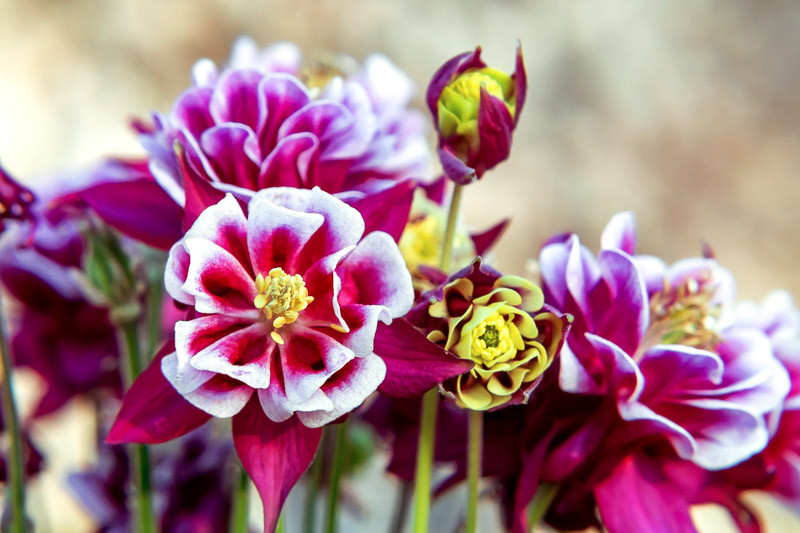
The Winky Double Red-White flower is a compact and bushy plant that produces lush, double-bloomed flowers with an eye-catching red and white coloration. Each blossom features a vibrant red center with crisp white edges, creating a bold and striking appearance. The petals are soft and velvety, with the double blooms giving them a fuller, more textured look compared to single-flowered varieties.

This variety of Impatiens typically grows to a height of around 12 to 18 inches (30 to 45 cm) and has a spreading habit, making it an excellent choice for borders, hanging baskets, and containers. The foliage is glossy, dark green, and complements the brilliant colors of the flowers. The plant blooms profusely, with flowers appearing from late spring through the summer, providing a long-lasting splash of color.

Growing and Caring for Winky Double Red-White Flower

The Winky Double Red-White flower is relatively easy to grow and care for, making it a great option for gardeners looking to add vibrant color to their landscapes with minimal effort. Here are some tips for ensuring this beautiful hybrid thrives:

  1. Light Requirements: Winky Double Red-White flowers prefer partial to full shade. While they can tolerate some sunlight, they perform best in areas with filtered light or light shade, especially in hotter climates where too much direct sun can cause the flowers to wilt or lose their vibrant color.
  2. Soil: These flowers thrive in well-draining, fertile soil. They prefer slightly acidic to neutral soil pH. To achieve the best results, use a rich, organic planting mix or amend the soil with compost to ensure good drainage and moisture retention. Avoid overly dry or compacted soils, as these can hinder the plant’s growth and bloom development.
  3. Watering: Winky Double Red-White flowers need consistently moist soil, but it’s crucial not to overwater them. Water the plants deeply, allowing the soil to dry slightly between watering sessions. It’s important to ensure good drainage in containers to prevent waterlogging, as this can lead to root rot.
  4. Temperature and Humidity: The Winky Double Red-White flower thrives in moderate temperatures and high humidity. Ideal growing temperatures range from 60°F to 75°F (16°C to 24°C), although the plant can tolerate slightly warmer or cooler conditions as long as they are not extreme. To promote healthy growth and vibrant blooms, provide a humid environment or water the plant consistently during dry spells.
  5. Fertilization: To encourage lush, healthy growth and abundant blooms, use a balanced, water-soluble fertilizer every two to three weeks during the growing season. Avoid over-fertilizing, as excessive nutrients can lead to lush foliage growth at the expense of flowers.
  6. Pruning: Regular deadheading (removal of spent flowers) will help extend the blooming period and encourage new flowers to develop. You can also prune back any leggy or overgrown stems to maintain the plant’s shape and prevent it from becoming too tall or sparse.

Uses in Landscaping and Garden Design

The Winky Double Red-White flower is a versatile addition to a variety of garden settings. Its striking appearance makes it a perfect choice for:

  • Hanging Baskets: The compact, spreading nature of the plant makes it ideal for hanging baskets or containers. The double blooms create a stunning display when suspended from patios, porches, or balconies.
  • Flower Beds and Borders: When planted in flower beds or along borders, the Winky Double Red-White flower adds a burst of color that contrasts beautifully with other plants. Its relatively low height makes it suitable for planting in the front or middle of beds.
  • Window Boxes: These flowers can also be grown in window boxes to create an attractive window display. The combination of red and white blooms adds a cheerful touch to exterior walls and window sills.
  • Shade Gardens: Since the Winky Double Red-White flower thrives in partial to full shade, it’s an excellent choice for gardens with limited sunlight. It can add color to areas that are difficult to plant with other sun-loving flowers.

Pollination and Wildlife

While the Winky Double Red-White flower is primarily grown for ornamental purposes, it also plays an important role in attracting pollinators to the garden. Bees, butterflies, and hummingbirds are drawn to the bright colors of the flowers, helping to pollinate them. This can be especially beneficial for creating a healthy, biodiverse garden ecosystem.

In addition to attracting pollinators, the plant’s lush foliage provides shelter for small insects and can contribute to a thriving garden environment.

Pests and Problems

While the Winky Double Red-White flower is generally hardy, it can be susceptible to certain pests and diseases:

  1. Aphids: Aphids can sometimes infest the plant, particularly on new growth. If noticed, aphids can be controlled by spraying the plant with insecticidal soap or a strong stream of water to dislodge them.
  2. Downy Mildew: In humid environments with poor air circulation, downy mildew can affect the plant. To prevent this, ensure proper spacing between plants and avoid overhead watering. If mildew appears, remove affected foliage and treat with a fungicide.
  3. Root Rot: Overwatering or poorly-drained soil can lead to root rot. To avoid this, ensure that the plant is not sitting in water and that the soil drains well.
  4. Slugs and Snails: These pests may feed on the flowers and leaves, causing damage. Use slug traps or natural deterrents like diatomaceous earth around the base of the plant to reduce the risk of slug damage.

Conclusion

The Winky Double Red-White flower is a stunning hybrid that offers gardeners a bold, vibrant display of color and easy-to-manage care requirements. Its striking red and white petals make it a standout in any garden, and its versatility in both container and landscape planting allows it to be used in a variety of settings. Whether you’re looking to add a splash of color to shaded areas or create an eye-catching hanging basket, the Winky Double Red-White flower is a wonderful addition to any garden. Its beauty, resilience, and ability to attract pollinators further enhance its appeal, making it a delightful flower for garden enthusiasts of all levels.

Hot Water Plant Flower: A Beauty with Unique Characteristics

magic-games.net – The Hot Water Plant (Senna alata), also known as the Candle Bush or Ringworm Tree, is a striking and fascinating flowering plant native to tropical regions of the Americas. With its vibrant yellow flowers and medicinal properties, the Hot Water Plant is not only an ornamental addition to gardens but also a plant with a rich history in traditional medicine. In this article, we will explore the characteristics, growing conditions, uses, and care of the Hot Water Plant flower.

Characteristics of the Hot Water Plant Flower

The Hot Water Plant is a perennial shrub that typically grows between 4 to 12 feet tall, depending on the growing conditions. Its most notable feature is its large, upright clusters of bright yellow, trumpet-shaped flowers that resemble candles or torches. These vibrant blooms appear in the late summer and early fall, attracting pollinators such as bees, butterflies, and hummingbirds.

The plant gets its common name, “Hot Water Plant,” due to the use of its leaves in traditional medicine to treat skin ailments, including ringworm. The name “Candle Bush” is derived from the plant’s flowers, which are arranged in tall, candle-like spikes.

The foliage of the Hot Water Plant is also attractive, consisting of large, compound leaves with many small, oval leaflets. These leaves create a lush, dense canopy that complements the plant’s showy flowers.

Ideal Growing Conditions

The Hot Water Plant thrives in tropical and subtropical climates but can be grown in temperate zones as an annual or in containers that can be brought indoors during the winter. Here are the essential growing conditions for the Hot Water Plant:

  • Sunlight: The Hot Water Plant thrives in full sun, which helps it to produce abundant blooms. It should be planted in a location where it receives at least 6 to 8 hours of direct sunlight per day.
  • Soil: Well-drained, moderately fertile soil is best for this plant. It prefers slightly acidic to neutral soil and benefits from rich organic matter. Avoid overly compacted or poorly-draining soil, as it can lead to root rot.
  • Watering: The Hot Water Plant enjoys consistent moisture but does not tolerate soggy soil. Water the plant regularly, especially during dry spells, but allow the soil to dry out slightly between waterings to avoid root issues.
  • Temperature: Being a tropical plant, the Hot Water Plant prefers warm temperatures between 75°F and 90°F (24°C to 32°C). It is frost-sensitive, so it should be grown in areas where temperatures do not fall below freezing. In cooler climates, it can be grown in containers that are moved indoors during winter months.
  • Fertilizing: While the Hot Water Plant is not a heavy feeder, it benefits from regular feeding with a balanced fertilizer, especially during the growing season. This will encourage healthy foliage and vibrant blooms.

Medicinal Uses of the Hot Water Plant

The Hot Water Plant has a long history of use in traditional medicine, particularly in the treatment of skin conditions such as ringworm. The leaves of the plant contain compounds that are believed to have antifungal and antiseptic properties. Here’s an overview of some common medicinal uses:

  • Ringworm Treatment: The Hot Water Plant is best known for its use in treating ringworm, a fungal skin infection. Traditionally, the leaves are boiled in water, and the resulting infusion is used to wash the affected skin areas. Some cultures also use the plant’s sap to treat various skin ailments.
  • Anti-inflammatory: In traditional herbal medicine, Hot Water Plant extracts have been used to treat inflammation and relieve pain associated with conditions like arthritis or muscle soreness. The plant’s anti-inflammatory properties are thought to help soothe swelling and discomfort.
  • Laxative and Diuretic: In some cultures, the Hot Water Plant is used as a mild laxative and diuretic. Its use for digestive issues is generally based on folklore, and it should only be used with caution and under the guidance of a medical professional.

Though the plant’s medicinal uses are well-documented in traditional healing practices, it is essential to consult a healthcare professional before using the Hot Water Plant for any medical purposes, as its effectiveness and safety may vary.

Benefits of Growing the Hot Water Plant

In addition to its medicinal properties, the Hot Water Plant offers a range of benefits for gardeners. Here are some of the reasons why it is a great addition to gardens:

  • Attracts Pollinators: The bright yellow flowers of the Hot Water Plant are highly attractive to bees, butterflies, and hummingbirds, making it an excellent choice for pollinator-friendly gardens. These insects help support biodiversity and contribute to a healthy garden ecosystem.
  • Ornamental Value: The tall, striking flower spikes and lush foliage make the Hot Water Plant a visually appealing addition to any garden. It works well as a background plant in flower beds or as a standalone specimen plant in tropical or subtropical gardens.
  • Low Maintenance: The Hot Water Plant is relatively easy to care for once established. It requires minimal pruning and is generally resistant to most pests and diseases, making it a low-maintenance plant for gardeners who want beauty without a lot of fuss.
  • Natural Privacy Screen: Due to its dense, upright growth habit, the Hot Water Plant can be used as a natural privacy screen or hedge. It provides both visual appeal and a sense of seclusion in garden spaces.

Creative Garden Uses

The Hot Water Plant’s bright yellow flowers and tropical foliage make it an ideal choice for adding a pop of color and exotic flair to your garden. Here are some creative ways to incorporate it into your landscaping:

  • Tropical Gardens: The Hot Water Plant is a perfect addition to tropical or subtropical gardens, where its vibrant flowers and lush foliage complement other tropical plants such as palms, bird-of-paradise, and hibiscus.
  • Pollinator Gardens: Plant the Hot Water Plant in a pollinator-friendly garden where it will attract bees, butterflies, and hummingbirds. Combine it with other nectar-rich plants such as lavender, salvia, and zinnias to create a haven for pollinators.
  • Containers: In cooler climates, the Hot Water Plant can be grown in containers and moved indoors during the winter. This allows you to enjoy its beauty in colder regions and ensures the plant’s protection from frost.
  • Privacy Hedges: For a tropical touch to your landscape design, use the Hot Water Plant as part of a natural privacy hedge. Its dense growth and height make it an excellent choice for creating a barrier or secluded area in your garden.

Conclusion

The Hot Water Plant is a versatile and beautiful addition to tropical and subtropical gardens. Known for its bright yellow, candle-like flowers, this plant is not only visually stunning but also offers a range of benefits, including its role in supporting pollinators and its medicinal properties. Whether used as an ornamental feature, a pollinator attractant, or a natural remedy for skin conditions, the Hot Water Plant provides both aesthetic and practical value. With proper care and attention, it will thrive in your garden, adding both beauty and a touch of tropical allure.

The Healing and Beauty of the Feverfew Flower

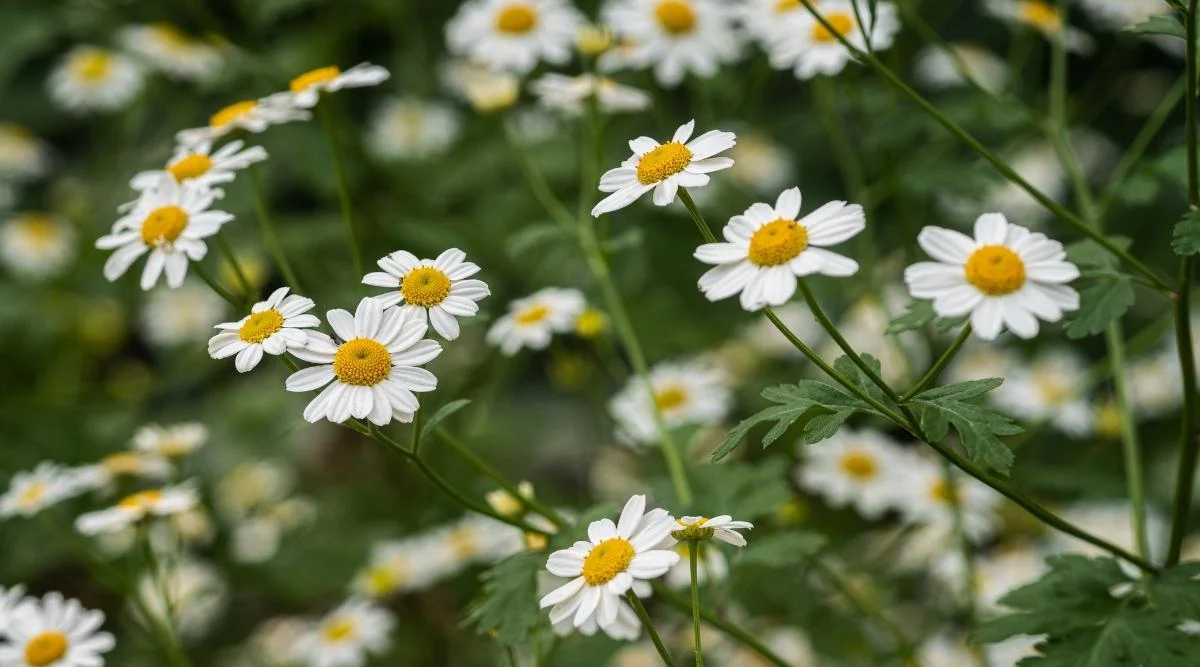
littlecellist.com – The Feverfew flower (Tanacetum parthenium) is a beautiful, versatile plant known for its medicinal properties and ornamental appeal. With its white, daisy-like flowers and its easy-care nature, Feverfew has been a staple in gardens for centuries. Its origins can be traced back to Europe and Asia, but it has since become widespread in gardens across the globe, appreciated not only for its beauty but also for its traditional uses in herbal medicine.

What Makes the Feverfew Special?

Feverfew is a hardy perennial that typically grows between 12 to 18 inches in height, producing bright, daisy-like flowers with white petals and yellow centers. These flowers bloom from late spring to early fall, providing a cheerful and vibrant display in gardens. The plant has aromatic, dark green leaves that have a slightly bitter scent when crushed.

Though it is commonly used as an ornamental plant, Feverfew is best known for its medicinal benefits. It has been historically used to treat ailments such as headaches, fevers, and inflammation. Its leaves contain compounds that have anti-inflammatory properties, and it has long been a part of traditional remedies, especially in the treatment of migraines.

Key Features of the Feverfew Flower

  • Bright, Daisy-like Flowers: The Feverfew’s flowers resemble small daisies, with white petals surrounding a bright yellow central disc. These flowers bloom in clusters, creating a cheery, eye-catching display in any garden. They are often used as cut flowers in arrangements.
  • Aromatic Foliage: The plant’s dark green, deeply cut leaves have a strong, aromatic scent when bruised. While the smell is not unpleasant, it’s often described as bitter or medicinal. This aromatic quality contributes to the plant’s use in herbal remedies.
  • Medicinal Properties: Feverfew has long been used for its therapeutic benefits. It is best known for its use in treating migraines, but it is also employed in relieving fever, reducing inflammation, and easing digestive issues. Some studies suggest that Feverfew may help reduce the frequency and intensity of migraine attacks.
  • Low Maintenance: Feverfew is a hardy and low-maintenance plant. It thrives in a variety of soil types and can grow in full sun to partial shade, making it adaptable to many garden conditions. Its drought tolerance once established also adds to its ease of care.

Symbolism of the Feverfew Flower

The Feverfew flower is often associated with health, healing, and wellness. Due to its historical use in treating various ailments, it is considered a symbol of medicinal plants and natural remedies. The bright, cheerful blooms can also symbolize purity and vitality, reflecting the plant’s long-standing connection to both physical well-being and overall vitality.

Growing the Feverfew Flower

Feverfew is an easy-to-grow plant that requires minimal care. Here are some tips to help you cultivate this beneficial flower:

  • Sunlight: Feverfew thrives in full sun but can tolerate partial shade. It performs best when it receives at least 6 hours of sunlight per day, which encourages abundant blooming and strong growth.
  • Soil: This plant adapts well to a wide range of soil types, but it prefers well-draining, moderately rich soil. It is tolerant of slightly alkaline to neutral pH levels, but it does not fare well in overly wet or soggy soils.
  • Watering: Feverfew is fairly drought-tolerant once established, but it benefits from regular watering during its growing season. Be sure to water the plant deeply but allow the soil to dry out between waterings to avoid over-watering.
  • Fertilizing: While Feverfew is not particularly demanding in terms of fertilization, it will benefit from a balanced fertilizer applied in the spring as new growth begins. Too much fertilizer can lead to excessive foliage growth at the expense of flowers.
  • Pruning: To keep the plant looking neat and encourage continuous blooming, remove spent flowers regularly. This will prevent the plant from becoming leggy and help maintain its compact shape. Cutting back the plant after its first bloom can also promote a second round of flowers in the late summer or early fall.

Uses of the Feverfew Flower

  • Herbal Medicine: Feverfew has a long history of use in herbal medicine, particularly for its ability to reduce the frequency and intensity of migraine headaches. It is available in various forms, including fresh leaves, dried leaves, capsules, and tinctures. However, it’s important to consult a healthcare provider before using Feverfew as a remedy, especially for those with certain health conditions or medications.
  • Ornamental Gardens: Feverfew’s bright, cheerful flowers make it a great addition to flower beds, borders, and cottage gardens. It pairs well with other summer-blooming plants, such as lavender, coneflowers, and black-eyed Susans, creating a vibrant and harmonious display.
  • Cut Flowers: The daisy-like blooms of the Feverfew make it an attractive choice for cut flower arrangements. The flowers add texture and brightness to bouquets, whether fresh or dried, and are often used in wildflower-inspired floral designs.
  • Pollinator Gardens: The flowers of the Feverfew are a favorite among pollinators, particularly bees and butterflies. Including Feverfew in your garden helps support a healthy ecosystem by providing a nectar source for these essential insects.

Conclusion

The Feverfew flower is a versatile and easy-to-care-for plant that offers both beauty and medicinal value. Whether used as an ornamental plant in the garden or as part of a home remedy for health issues, Feverfew is a wonderful addition to any space. Its bright, cheerful flowers, combined with its long history of use as a medicinal herb, make it a cherished plant among gardeners and herbalists alike. With its low-maintenance nature and potential health benefits, the Feverfew is a plant that deserves a spot in your garden.

Cockscomb Flower: Striking Beauty of Curled, Velvety Blooms

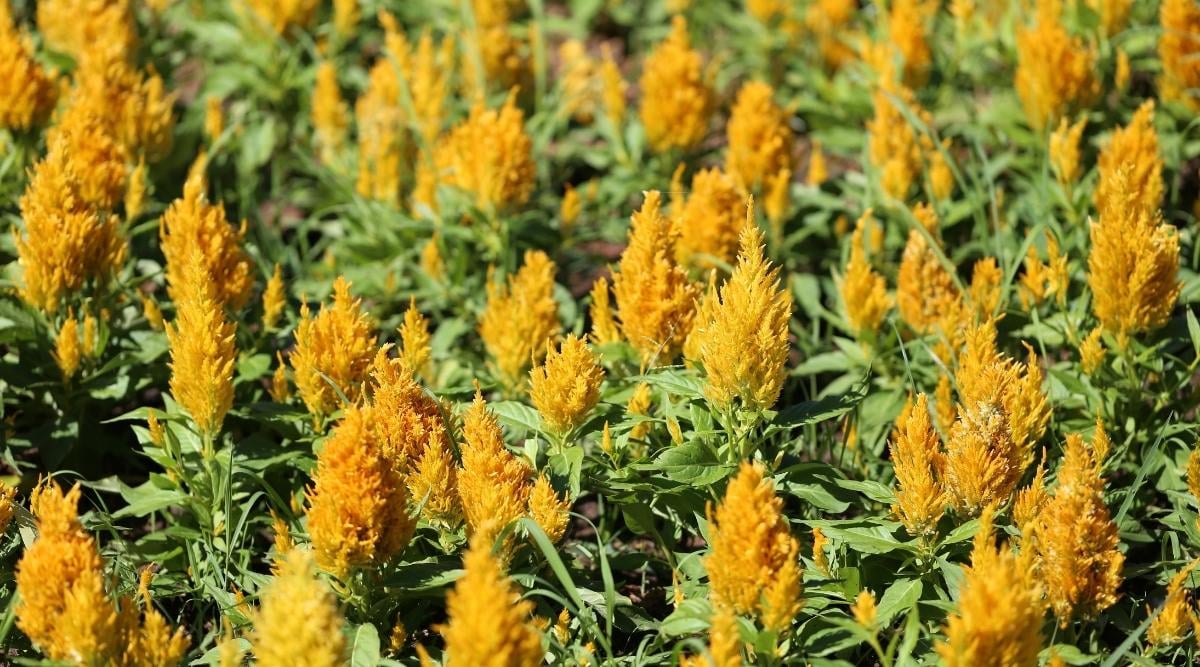
littlecellist.com – The Cockscomb Flower (Celosia argentea var. cristata), also known as brain coral flower or woolflower, is a unique and vibrant annual that stands out with its sculptural, velvety blooms resembling the comb of a rooster, hence its name. Known for its bold and dramatic appearance, the cockscomb flower is a favorite in gardens and floral arrangements, bringing a pop of color and texture. With its fascinating shape, vivid hues, and ability to thrive in a variety of growing conditions, cockscomb is a captivating addition to any garden.

Botanical Description

Cockscomb flowers belong to the Amaranthaceae family and are typically grown as annuals. The plant’s most distinctive feature is its crested, curled blooms, which can resemble a rooster’s comb, brain coral, or a velvet plume. These flowers grow in dense clusters, with the petals being soft and velvety to the touch. Cockscomb comes in a variety of colors, including shades of red, pink, orange, yellow, and purple. Some varieties have bi-colored blooms, which add even more visual interest.

The plant itself is an upright, bushy annual that typically reaches a height of 12 to 30 inches, with some varieties growing even taller. The green foliage of the cockscomb is lance-shaped and provides a perfect contrast to the vibrant, textured flowers. The blooms appear throughout the summer, with peak bloom occurring in late summer to fall. Once the flowers fade, they are replaced by small, inconspicuous seeds that can be collected for future planting.

Habitat and Growth Conditions

Cockscomb flowers thrive in USDA hardiness zones 10 to 11, though they are often grown as annuals in cooler climates. They prefer full sun and well-drained, slightly acidic to neutral soil. The plant can tolerate a range of soil types, but it does best in fertile, loamy soils that provide good drainage. Cockscomb flowers are fairly drought-tolerant once established, but regular watering helps promote lush foliage and abundant blooms.

This plant is ideal for hot, sunny locations, making it a great choice for summer gardens, border plantings, and container gardens. Cockscomb does not like frost, so it is typically planted after the danger of frost has passed in spring. It is important to choose a planting site that provides adequate sunlight, as lack of sun can result in poor flowering and leggy growth.

Cultivation and Care

Cockscomb is a relatively low-maintenance plant that can be easily grown from seeds or seedlings. Once planted, the plant requires minimal care. However, providing the right conditions will help ensure a healthy, thriving plant. Here are some key tips for cultivating and caring for cockscomb:

  1. Planting: Cockscomb can be grown from seeds sown directly into the garden or started indoors 6-8 weeks before the last frost date. When planting outdoors, space the plants about 10 to 12 inches apart to allow for their spreading growth. For container gardening, ensure that the pot has good drainage to prevent root rot.
  2. Watering: Regular watering is essential during the early growth stages, but once established, cockscomb is fairly drought-tolerant. Water deeply at the base of the plant to encourage deep root growth, and allow the soil to dry out between waterings. Avoid over-watering, as the plant prefers slightly dry conditions once established.
  3. Fertilizing: Fertilizing cockscomb is not strictly necessary, but it can encourage stronger blooms and healthier growth. Apply a balanced, slow-release fertilizer in the spring or use a liquid fertilizer every 4 to 6 weeks during the growing season. Over-fertilizing can lead to excessive foliage growth at the expense of flowers, so it is important to follow recommended guidelines.
  4. Deadheading: To encourage continuous blooming, deadhead the spent flowers by removing the faded blooms. This helps to redirect the plant’s energy into producing new flowers rather than seeds.
  5. Pruning: Cockscomb does not require extensive pruning, but removing any damaged or spent flowers can help maintain its appearance and promote new growth. Cutting back the plant after blooming has finished can encourage the growth of fresh shoots.
  6. Pest and Disease Control: Cockscomb is generally pest-resistant but can occasionally suffer from aphids, spider mites, or powdery mildew. If pests or diseases are detected, treat the plant with insecticidal soap or fungicide as needed. Good air circulation and proper spacing between plants help prevent many fungal issues.

Symbolism and Cultural Significance

The cockscomb flower has a rich cultural significance in various parts of the world. In many cultures, it is associated with strength and vitality, due to its bold, vibrant appearance and unique form. The flower’s resemblance to a rooster’s comb also gives it symbolic ties to courage and bravery.

In Chinese culture, the cockscomb is often used in decorative arts and is regarded as a symbol of longevity and prosperity. It is also associated with the celebration of new beginnings, and the bright colors of the flower are said to bring good luck and positive energy.

In European cultures, particularly in medieval times, cockscomb flowers were used as ornamental plants in gardens, often as a symbol of fidelity and loyalty, making them a popular choice in wedding arrangements and celebrations of enduring love.

Ecological Benefits

Cockscomb flowers not only add color and texture to the garden but also provide important ecological benefits. The plant’s vibrant flowers attract a variety of pollinators, including bees, butterflies, and hummingbirds, which are essential for pollination in the garden. By planting cockscomb flowers, gardeners can help support local pollinator populations.

The plant also provides seeds that are consumed by birds, making it an important addition to bird-friendly gardens. As an annual, the cockscomb contributes to the biodiversity of the garden, supporting a variety of wildlife through its flowers, seeds, and nectar.

Ornamental Uses

Cockscomb flowers are prized for their ornamental value and are a popular choice for gardeners looking to add a striking focal point to their garden. The plant’s vibrant colors, unique texture, and architectural form make it an excellent addition to flower beds, borders, container gardens, and cut flower arrangements.

The flowers are especially striking when planted in mass groupings, creating bold patches of color in the garden. Cockscomb also pairs well with other sun-loving plants, such as zinnias, sunflowers, and marigolds, creating a colorful, dynamic garden space. Its sculptural blooms also make it an ideal choice for floral bouquets, adding texture and interest to cut flower arrangements.

Conclusion

The cockscomb flower is a stunning and unique addition to any garden, known for its bold colors, velvety texture, and captivating form. Whether grown for its beauty in the garden or its value in floral arrangements, cockscomb brings a sense of drama and elegance to outdoor spaces. With relatively low care requirements and the ability to thrive in full sun, cockscomb is an excellent choice for both novice and experienced gardeners. Its ability to attract pollinators and its cultural symbolism further enhance its appeal, making it a beloved flower in gardens around the world.